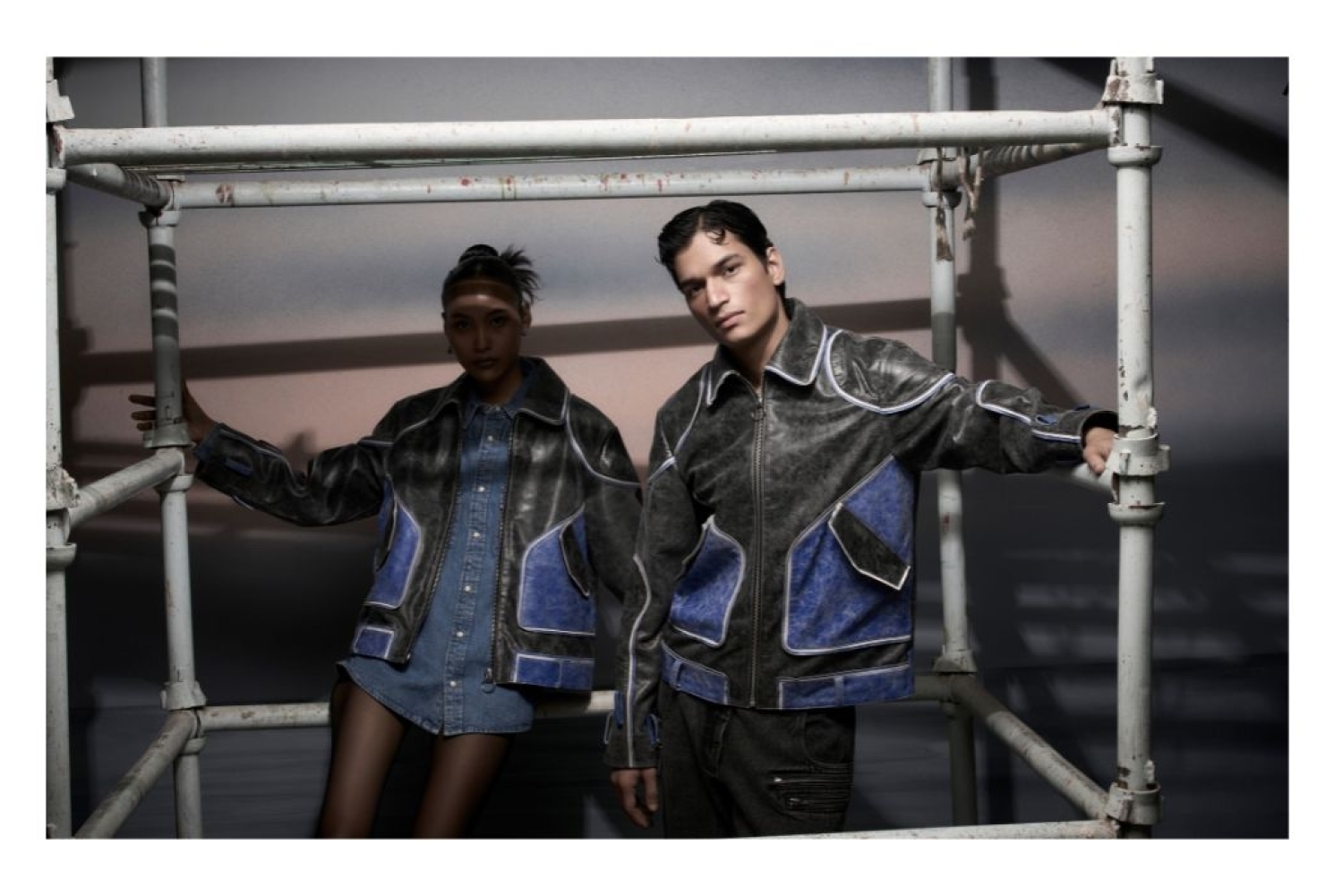
Misnomer began with what its three co-founders Aashna Ahuja, Urvika Bawa and Yajush Bawa describe as a shared restlessness. Though they came from different skill sets, they were united by the urge to build something they could stand behind completely, not just contribute to. From the outset, they were clear about what they did not want. ‘We weren’t interested in adding more noise,’ they say, in making pieces that stay, and become part of a person’s routine rather than a passing purchase.
At the heart of Misnomer is a commitment to genderless design. For the founders, this means designing around shape, movement and attitude. Genderless fashion, they insist, ‘isn’t about making people dress the same way, it’s about removing the rules that decided that they had to dress differently in the first place.’ Their belief is direct and unambiguous, and they truly believe that the future of fashion is genderless, and their vision is to create pieces that fit who you are, not who others tell you to be.
What prompted you to start the Misnomer?
Misnomer really began with the three of us co-founders recognising a shared restlessness. We came from different skill sets, but had the same urge to build something we could stand behind completely, not just contribute to. We weren’t interested in adding more noise, but in making pieces that stay with you, pieces that become part of a person’s routine rather than a passing purchase. The idea was to create fewer things, but make them matter more, pieces you reach for instinctively over time instead of reserving for an occasion. In that sense, the brand formed around longevity as much as aesthetics. Even now, the most surreal moment isn’t a launch, it’s unexpectedly spotting someone carrying one of our pieces in their own way. That shift, when a product stops being ours and starts belonging to someone else, is when the brand actually feels real.
What does genderless fashion mean to you?
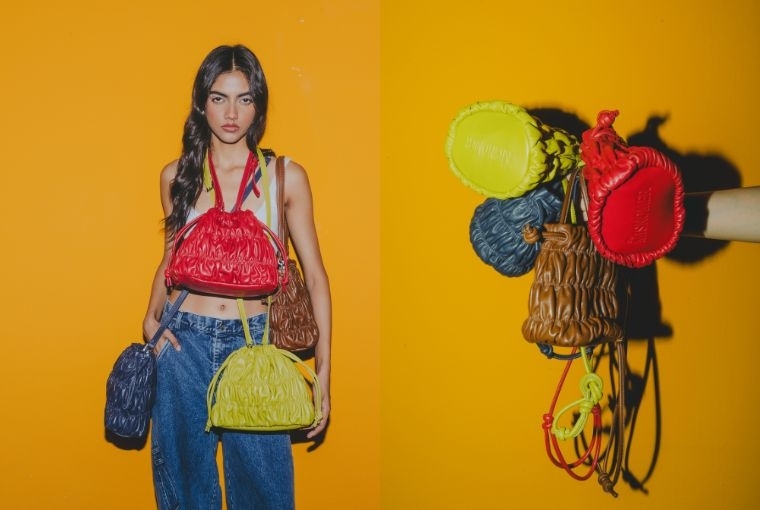
Genderless fashion for us means designing around shape, movement and attitude rather than a category. Genderless fashion isn’t about making people dress the same way, it’s about removing the rules that decided that they had to dress differently in the first place. We truly believe that the future of fashion is genderless, and our vision is to create pieces that fit who you are, not who others tell you to be.
Among countless streetwear brands emerging, what sets you apart?
Most brands build around trends, we build around identity. We design for people who don’t want to conform to any one identity. When you wear or carry the Misnomer, you can be anyone who you want to be. We focus on permanence over hype, garments that become part of your daily uniform instead of a moment. The goal isn’t to stand out loudly, but to stay relevant quietly over time.
Tell us a little about the materials of your garments, and how they contribute towards sustainability.
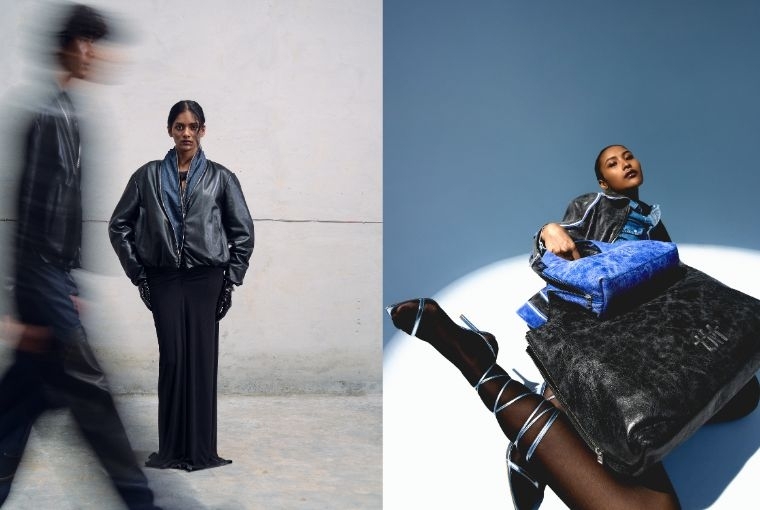
For us, sustainability begins with longevity rather than labels. We choose materials based on how long a piece can stay in use, which is why leather is one of our core materials. We work with real, premium leather because it ages instead of deteriorating, it softens, develops a patina, and becomes personal over time, unlike synthetic alternatives that often crack and get discarded. Equally important is how we produce. Most pieces are made to order or in very small runs, so we don’t build excess inventory. Each piece is handled individually rather than manufactured in bulk, naturally limiting overproduction. We don’t treat sustainability as an added claim, it’s choosing materials meant to last and producing only what’s needed. Our genderless approach extends this idea: when a garment isn’t bound to one identity, it can move between people and remain in use far longer.
What is your design process?
Our design process changes with each collection, we don’t believe in working from a fixed template. Often it begins with an object, a fleeting moment, or a memory that lingers longer than expected. That reference usually finds its way into how we name the garment as well, the name becomes a clue to the origin. For instance, our ‘Not A Cult Favourite’ pants came from observing railroad tracks. The repetition, the directionality, the quiet sense of movement embedded in something static. With bags, the starting point is usually material. Leather is central to us, and each season we treat it almost like a new medium. Something to be handled, stressed, softened, or disrupted until it behaves differently. In the latest collection we worked with crushed leather for ‘Not A Bold Bag’, trying to introduce a controlled irregularity, a wrinkled surface that feels lived-in rather than manufactured.
What are you working on currently and what’s next?
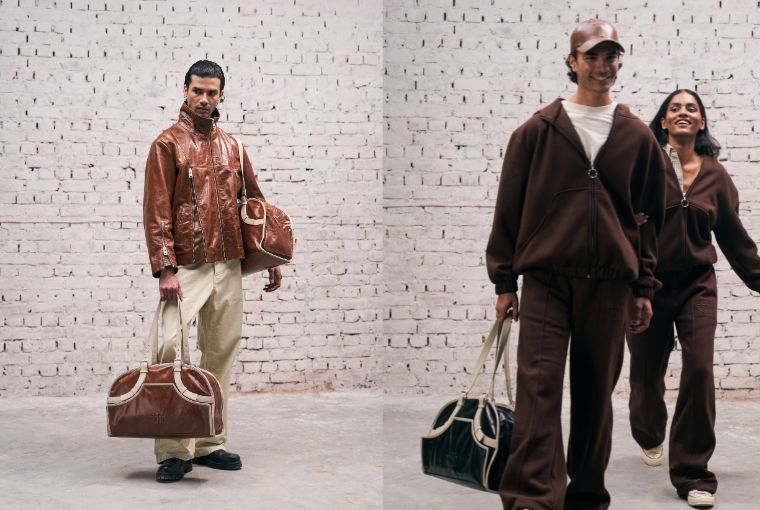
We’re currently developing our upcoming Spring/Summer collection. One thing we’ve become increasingly conscious of is restraint. It’s easy to keep adding more, but this season we’re intentionally focusing on fewer pieces that carry stronger ideas while remaining genuinely wearable. The aim is high-concept design that still functions as everyday clothing and accessories. We’re also experimenting with a material and technique that has been on our bucket list for a while, something we’ve wanted to attempt for seasons but waited until it felt right for the brand. Beyond the collection, we’re interested in presence over pace, letting the brand grow through interaction rather than accumulation. We want to meet more people, be part of communities, and allow those exchanges to shape what comes next, while also pausing to reflect on the journey so far.
Words Neeraja Srinivasan
Date 19.2.2026