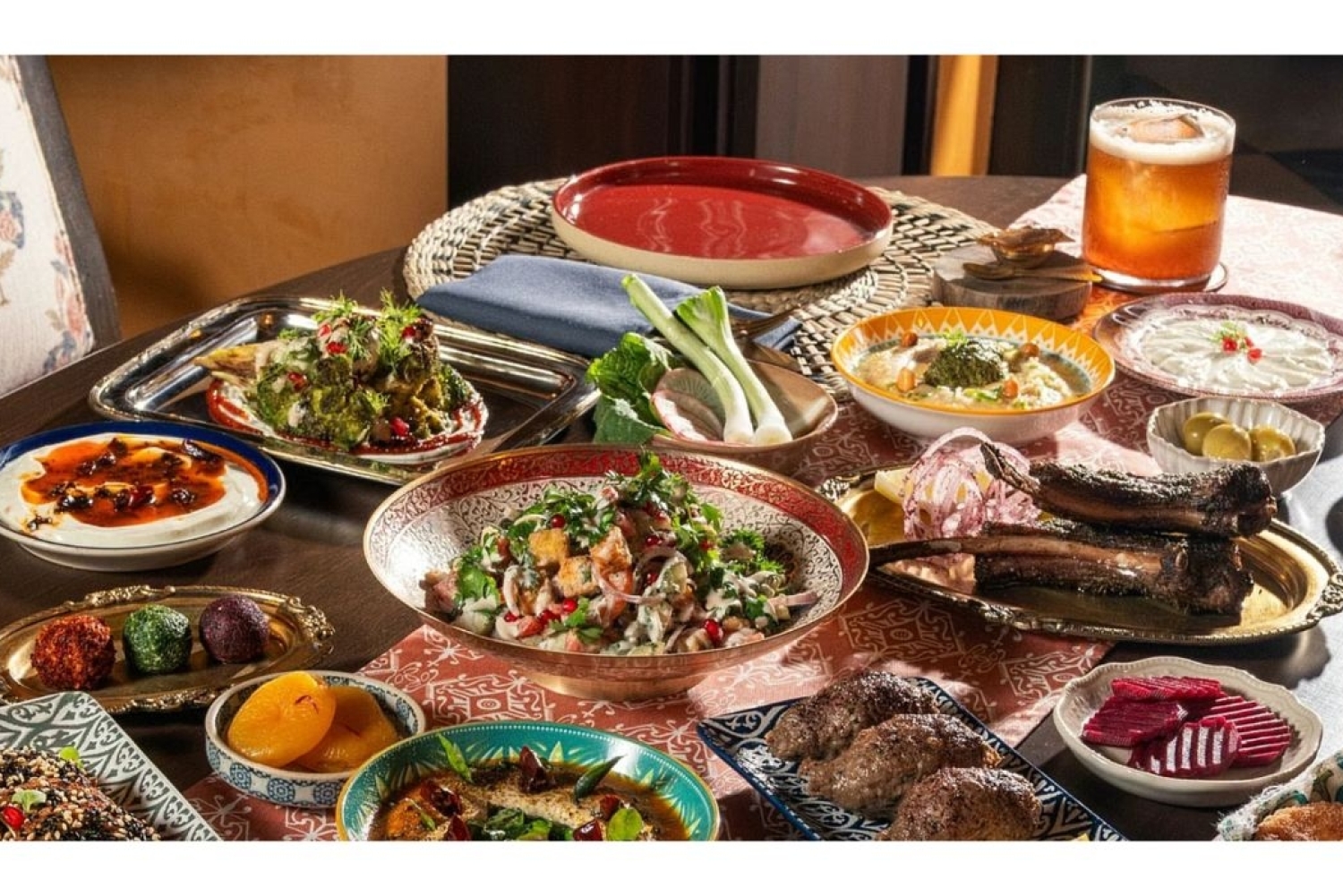
Mister Merchant's in Goa sits inside Club Solene and the moment I walked in, I felt like I had stepped into someone else's story. Tales of Mister Merchant cover the walls in vivid colour, and overhead the elaborate lights throw a warm glow over everything. It feels like the home of a well-travelled host who has spent a lifetime collecting recipes, stories and people.
Chef Picu tells us that he set out to build the exact same feeling. His journey has run through very different kitchens. It began with Jamun, where the philosophy was to celebrate Indian food as it is rather than modernise it. ‘You don't always have to reinvent something to make it interesting,’ he told me. Ping's Bia Hoi followed with its lively Asian street food. Each restaurant, he says, needs its own personality so that you feel you have walked somewhere different. Mister Merchant's began with a simple urge to go somewhere entirely new after Indian and Asian experiments.
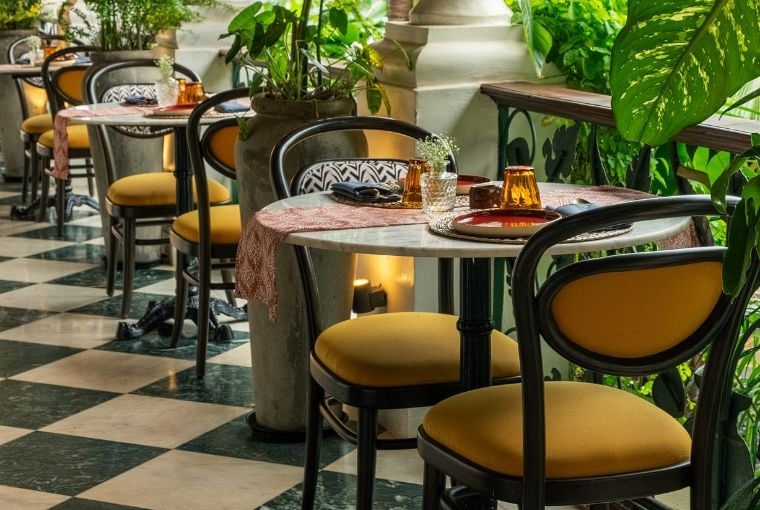
That somewhere turned out to be the Silk Route. Picu has always been fascinated by how food travels and how trade, migration and people on the move carry ingredients, techniques and recipes across borders until they become local. The Middle East, Central Asia and North Africa share deep and familiar links with Indian cooking in the spices, the slow cooking, the breads and dips and especially the way a meal is shared. He wanted to explore those connections with Mister Merchant, first in Pune and now in Goa. He is clear that this is not a Levantine restaurant with a few Indian ingredients added. ‘There has to be an Indian sensibility running through the food,’ he says.
Holding it all together is the man whose name is on the door. Mister Merchant is entirely fictional, a half-Parsi, half-Bohri traveller who journeyed along the old trade routes and brought home recipes and stories. Both communities have rich food histories, which gave Picu and his partner Rakshay a natural starting point. Today, the character works as a creative compass. When a dish, an ingredient or even a small detail is up for debate, the team asks whether it would belong in his world.
The food follows the mezze spirit. You order a few things, put them in the middle of the table and everyone digs in. The Thal is the clearest expression of that idea. It is a generous spread where the pickles, olives, herbs, dips and breads matter as much as the main elements and the team walks you through each one, which makes the meal feel personal. The Thal comes with pickled cucumber & chilli, pickled beetroot, ajika, toum & harissa, mustard-stuffed queen olives, black sesame tahina, saffron apricots, and labneh balls.
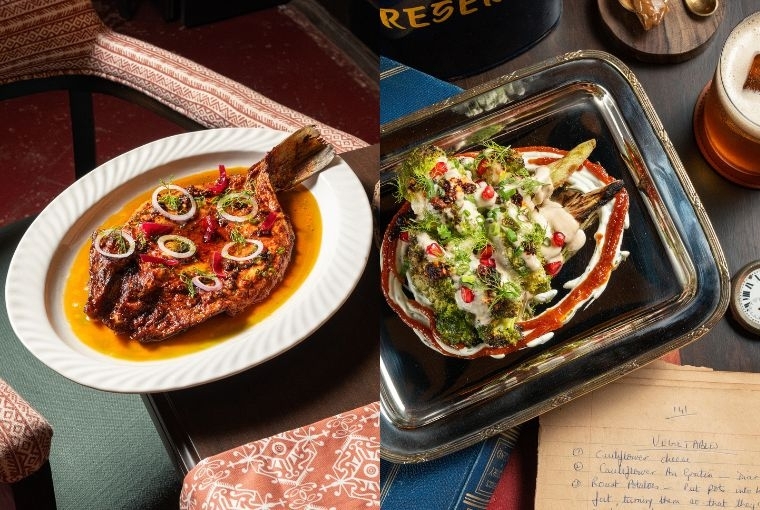
Ask Picu for a favourite and he points to the mushroom shalik, a dish he enjoys eating as much as cooking. The crab tamtaki is the one his team pushed him to keep when he was unsure and he admits that some dishes simply need a few more people to believe in them. The surprise of the menu has been the gunpowder hummus, which became one of the most talked-about plates and proved that guests bring their own perspective to the food.
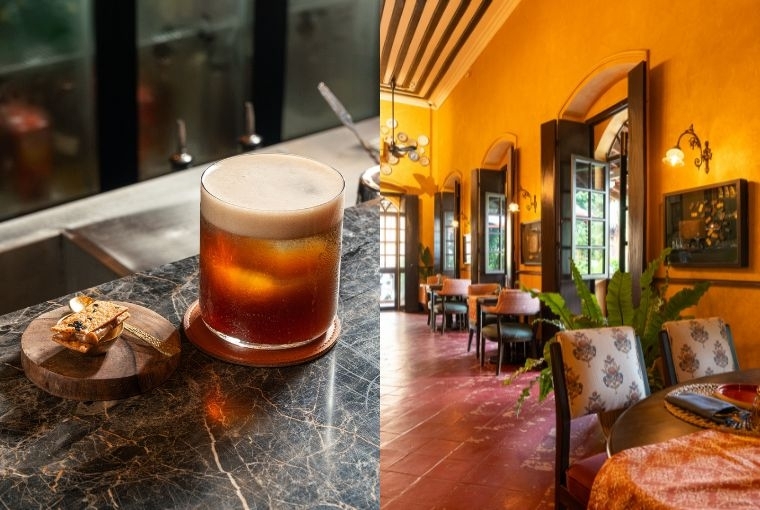
The bar follows the same logic. Picu wanted cocktails with their own identity but still part of the same story. Each drink is built around two hero ingredients, which keeps things focused and lets the flavours sit well alongside the food. We tried a coconut washes Jim Beam White, walnut bitters and chocolate milk which was served with homemade mini coconut ladoo. Another one was with popcorn & cola which was sweet, salty with the perfect sprinkle of nostalgia. Salted butter washed Bacardi carta Blanca, in-house cola and popcorn foam.
Looking back, there is a clear thread from Jamun to Pune to Goa. Jamun taught Picu to trust the food and give it room and every restaurant since has carried that lesson. The food has to make sense; it needs a reason to be on the menu and above all, it has to taste good. Mister Merchant's is the most expansive version of that belief yet, a table that invites you to sit down and share.
Words Hansika Lohani
Date 20.11.2026
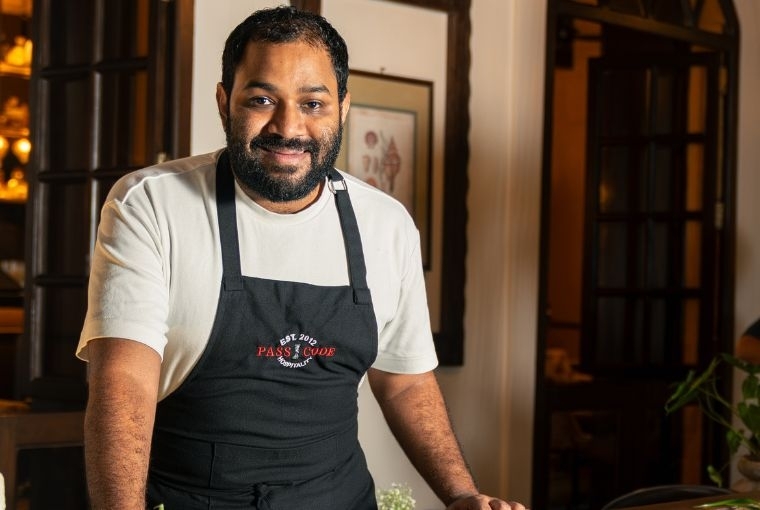
Chef Picu