Listening to soundtracks can to transport us into different realities. Especially if it’s from a movie, then becoming part of the plot can’t be helped, with the scenes vividly replaying in our minds. Whether it's a fight scene, a dream sequence, a romantic moment, an adventure, a realisation, a reflection, a flashback or more, background scores elevate them from simple scenes portraying themes or emotions of the character or the plot overall. Here is a list of immersive background scores that pull you into the plot.
Ludwig Goransson for The Odyssey and Black Panther
Ludwig Goransson’s recent composition, Odysseus, forgoes a traditional orchestra and utilises ancient Greek instruments like the dual-piped aulos and lyres with 35 resonant bronze gongs along with synthesised metallic soundscapes. This 8-minute-long score serves as the emotional centrepiece of the film, delving into the emotions of the titular king especially his yearning for home and regret.
Another of Goransson’s immersive works is a distinct mix of a West African Fula flute called tambin and modern American hip-hop production; this soundtrack serves as the theme for the character Erik Killmonger, reflecting his upbringing in America and his tragic connection with Wakanda. Goransson blends Bach-inspired piano and string melody with 808 drums to create an eerie, haunting and traditional sound.
Hans Zimmer for Dune and Interstellar
Underscoring Paul Atreides’s destiny and the landscape of Arrakis, this background score is a combination of intense, distorted synthesisers with booming custom percussion and electric cellos manipulated to sound like Tibetan warhorns. To replicate the desert winds, Hans Zimmer included an ancient Armenian woodwind called duduk, a massive contrabass flute. Lastly, it features the signature banshee-like chants and whispers of vocalists Loire Cotler and Lisa Gerrard, enhancing the effect of the spirit of the desert.
Cornfield Chase is another of Hans Zimmer’s breathtaking pieces. The track is produced as a blend of a massive church pipe organ with pianos and synthesisers that mimic a racing heartbeat. Together delivering a powerful, wall-of-sound effect building intense emotional momentum. Played during moments of big adventures and high stakes, it portrays the vulnerability of humanity confronting the cosmos.
Alexandre Desplat for The Grand Budapest Hotel
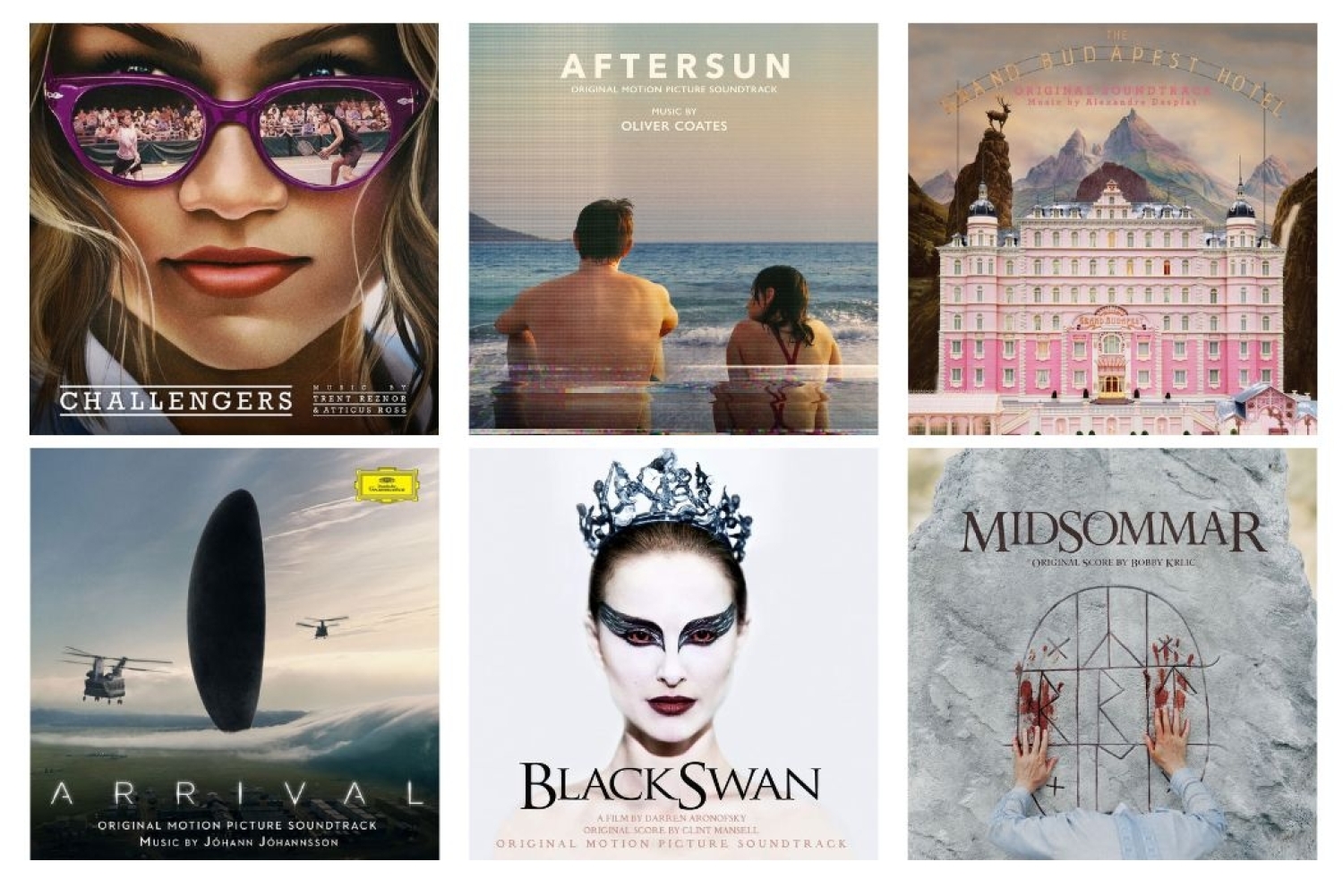
Serving as the theme for the character Zero Moustafa, this composition by Alexandre Desplat is a combination of sounds produced from string instruments like the Slavic balalaika, zither and pizzicato strings. This arrangement creates a whimsical yet melancholy atmosphere that is quirky and light. Played during moments of reflection this score highlights the character’s nostalgia and loneliness.
Justin Hurwitz for La La Land
Planetarium by Justin Hurwitz is composed with a waltzing celesta and piano melody evoking a music box like quality. This background score captures the blossoming connection of the movie’s lead couple as the melody blossoms into a dizzyingly romantic waltz orchestration of vibrant strings, soaring brass and twinkling woodwinds. It climaxes with dramatic harp glissandos and a soaring horn section that mirrors the characters spinning through the air.
Clint Mansell for Black Swan
The sonic climax of the film is a composition with heavy sampling and structural reconstruction of Pyotr Ilyich Tchaikovsky’s iconic Swan Lake. In the full orchestral arrangement that Clint Mansell utilises, the haunting solo piano denotes the tragic elegance of the performance. Further, the modern electronic flourishes/keyboard samples amplify the underlying mental toil. Through this blend of classical and modern, the track wonderfully transforms the atmosphere into a grandly intense one.
Sufjan Stevens' music in Call Me by Your Name
Mystery of Love by Sufjan Stevens is a light airy ballad reflecting the characters' tender romance and heartbreak from first love. It is composed with a blend of acoustic guitar, a bright mandolin, subtle piano notes and a layer of symphonic strings. Paired with Stevens’ whisper-like vocals the score invites you to spend the summer understanding love.
Trent Reznor and Atticus Ross for Challengers
Grounded heavily in hardcore techno, electronica and progressive house, Trent Reznor and Atticus Ross composed this track entirely on instruments like analog synthesisers, electronic drum machines and rhythmic sequencers. This high-energy score plays during the film’s climactic final tennis match, functioning like a sonic heartbeat to match the onscreen physical exertion with its sharp arpeggiated filters, deep bass loops and aggressive brassy leads.
Bobby Krlic for Midsommar
Fire Temple by Bobby Krlic is a combination of traditional Nordic folk elements in a 16-piece orchestra dominant with shifting strings and ambient drones. It features choral chanting layered with wind instruments to build a contrasting melody against the horrifying scenes on screen. This 9-minute score serves as an orchestral fantasia during the final scene.
Oliver Coates for Aftersun
Oliver Coates remixes the classic Queens and David Bowie track to create this score. He replaces bass and drums with cello and electronic drones. As the song progresses, the original rock instrumentation slips away, leaving the raw vocals of David Bowie and Freddie Mercury. Together, these alterations denote the emotional crisis the father and daughter go through.
Johann Johannsson for Arrival
Arrival by Johann Johannsson is an eerie and minimalist score mirroring the mystery of first human communication. The composition includes orchestral strings, horns, unconventional wooden percussion and sustained piano drones with analog tape loops to create continuous sonic textures. The non-lexical vowel words in the vocals enhance the effect by appearing like an evolving language.
Words Shruti Verma
Date 22.9.2026