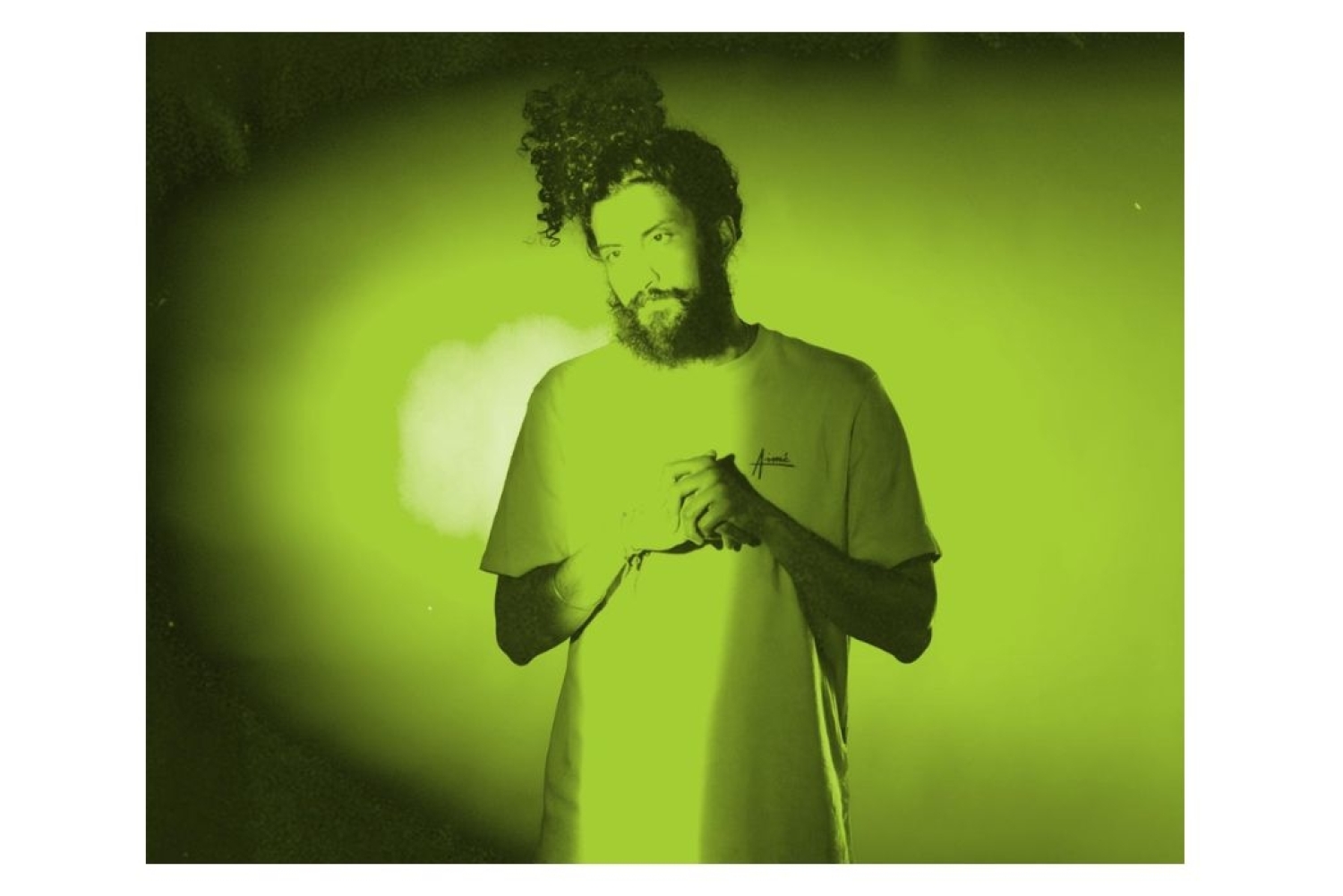
Photo by Denis Larrance
Photo by Denis Larrance
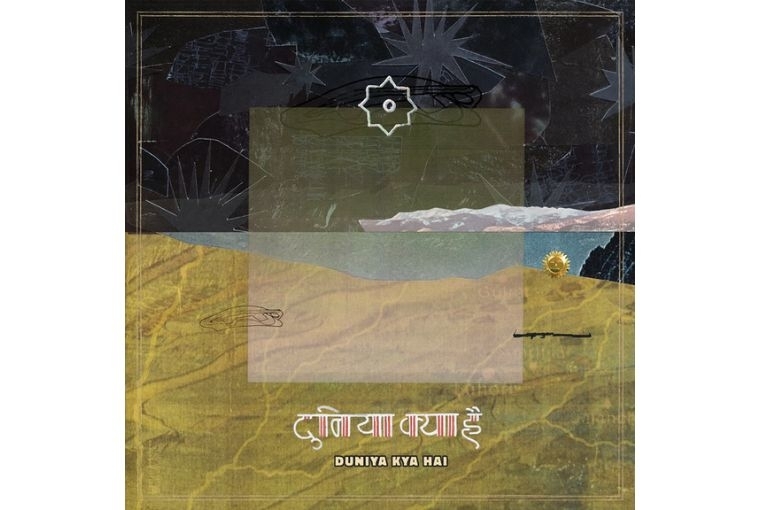
Just like his stage name, Gaurav Nagpal's musical instincts work in reverse, reaching back into old records and forgotten film scores to pull fresh, layered hip-hop beats out of sounds from another time. Lapgan is a Chicago-based beatmaker and archivist who builds dense, sample-led compositions from South Asian musical histories. Born in Queens to Indian-born parents, he applies dusty, boom-bap production to rare 1960s–80s Bollywood, Lollywood, Tamil, Bengali and classical Indian recordings, often sourced through archivist Nishant Mittal. Nowhere is that clearer than on Lapgan’s 2021 beat tape Duniya Kya Hai, 21 tracks pieced together from Indian and Pakistani sounds, sketching out an alternate world where political divisions never split a shared musical past. On the album’s fifth anniversary, Lapgan has returned to the project, handing over six of its tracks to producers and letting them run wild with them.
Released on July 9, 2026, Duniya Kya Hai Remixes brings together Maral, Loris, Mera Bhai, Malfnktion, bar?a and Arushi Jain for a psychedelic, genre-bending reinterpretation of the original tape. There's Arushi’s synth-drenched, feverish flip of Rodeo, and Maral's Durga Doesn't Approve, which Lapgan simply calls a trip. Together, this collaborative anniversary turns an archive into a conversation across artists, sounds and time.
I spoke to Lapgan about sampling, heritage, collaboration and what it means to keep digging.
How did you first start making music?
My cousin was making braindance music in Ableton and I was fascinated by what he was making. One day, he showed me how to use it and the rest is history. Once I figured out how to sample in Ableton, I never looked back.
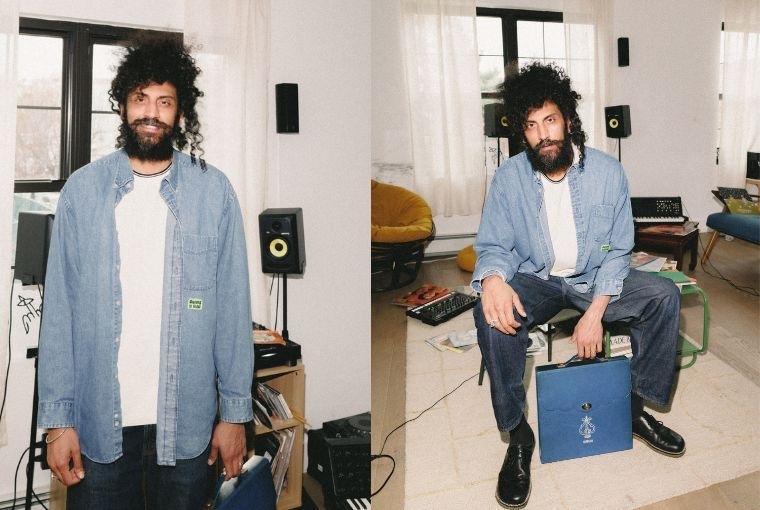
Photo by Yaroslav Vorotilov
Sampling can involve a lot of listening, cutting and reshaping. What do you enjoy most about that process?
I really enjoy the entire discovery process. Digging through records, scouring the internet for artists or sounds I haven’t heard, and listening to new music, it’s all fun. In terms of the creation process specifically, I love looking for loops and messing around with them. Sometimes I’ll just make a simple loop and listen to it on repeat for an hour before finishing a track.
Has making music changed the way you understand your own South Asian heritage?
It’s definitely gotten me to dig deeper into our history and culture. While I was making Duniya Kya Hai and History, I was reading books and articles in between making beats. Even on the musical side, when I sample music from different regions or time periods, I end up researching the musical styles, instruments, and all that. So making the music that I do has taught me a lot about my heritage. Stories and events from the past are often an inspiration for tracks.
When you begin making a track, what comes first: the sample, a rhythm, or a feeling you want to create?
Most of the time I use a sample, a rhythm, or a sampled rhythm as the starting point for a track. Even if I’m working on an album and looking for a feeling, I’ll try and dig for something that fits the feeling.
Five years after Duniya Kya Hai, what does the album mean to you now? Do you hear it differently than you did in 2021?
I hear it differently in the sense that I think I’ve grown as a producer, so sonically there are things that I might have changed if I could rework some of the beats.
It still means a lot to me! And it’s wild that more people are listening to it in 2026 than in any other year. I vividly remember making it. At that point I hadn’t even heard of Lollywood. I recall finding all this crazy, funky music from Pakistan and feeling so surprised that it existed and that it was pretty similar to contemporary music from India. I was geeked on the concept of creating this alternate universe, where relations between the two countries were more amicable, and we could enjoy our shared culture.
What made you want to revisit the project through other people's interpretations rather than remixing it yourself?
It’s a reflection of the community that I’ve found through music over the past few years. It’s more fun to hear some of my favourite artists’ interpretations of my tracks; the remixers all have different styles so I liked hearing the different directions they took the tracks in.
How did you choose the artists for Duniya Kya Hai Remixes? What did you feel each of them could bring to the original music?
It was a combination of me reaching out to people and my management A&R’ing the record. They’re music heads and messaged me as fans of the mixtape long before we started working together, so they had some great ideas. Big shout out to Sean and Pranav.
Was there a remix that particularly surprised you when you first heard it?
I think the Maral one surprised me the most. That one was such a trip! A real journey of a track!
You've spent years listening backwards through musical history. What are you listening to lately that you weren't listening to when you first started making music?
Nishant Mittal aka Digging in India is constantly providing me with new sounds. Lately I’ve been listening to devotional music from different parts of India & Pakistan. My wife also introduced me to classical minimalism. I’ve been listening to Steve Reich and Terry Riley.
What are you exploring next?
I’m working on a new record with my friend Daku, a rapper from Karachi. First tracks coming out in October!
Words Nidhi Soni
Date 3.9.2026