In the tangled architecture of a changing world, music becomes one of the few places where a society can hear itself think. Across India’s independent music, artists have always found ways to respond to the world around them: to turbulent terrains, shared experiences, cultural conversations and the persistence of hope. From anthems born out of lived realities to ruminations on identity and belonging, these albums capture the many ways resistance can sound.
Jaago, Lifafa
Jaago has become an indie favourite in collective resistance. Suryakant Sawhney carries his signature harmonium, electronic beats, and poetic songwriting to reflect on social unease, loneliness, love, and the pressures of modern Indian life. The infamous title track is like an alarm, while the album as a whole moves between protest, capitulation and a stubborn search for hope.
Chetavni, Swadesi
True to its name, Swadesi’s debut album is a wake-up call calling out war, class divides and social injustice, with tracks like Jung that question the human cost of conflict, while Sthiti looks closely at the everyday struggles and contradictions of urban life. Assembling Marathi, Hindi, Gujarati and Bengali hip hop verses on stripped-back beats and sharp lyricism, Chetavni is a hard-hitting debut that displays a generation demanding to be heard.
Connected, Donn Bhat
At a time when being connected has become almost inseparable from being alone, Donn Bhat’s album explores the uncanniness of modern life. There are electronica, pop-rock, acoustic textures, and Indian classical sounds over themes of technology, relationships, identity, and social performance. There’s existential restlessness in Spinning World and satirical bite in Desh Bhakti; this record questions what it means to find meaning in the digital age.
Nu Delhi, Bloodywood
With Nu Delhi, Bloodywood take the paradoxes of their hometown and turn them into metal. The album fuses downtuned guitars and rap-rock vigour with Indian folk instruments, channelling a rage they want their audience to hold on to, in the face of injustice and greed. Calling out social frustrations and celebrating the power of keeping going, Bloodywood create a record that is both a tribute to Delhi and a testament to community and resistance.
Side A, Ankur Tewari
Side A is a soft record about holding on to human connection. Under its minimal musical arrangements and heartfelt lyrics is a strong undercurrent of change. Ankur explores love, friendships and life on the road, but also captures a larger feeling of a society in motion. Harkat speaks of a new movement taking shape, of winds changing and people coming together; Mohabbat Zindabad turns love as an answer to loss, disillusionment and broken dreams. It is a record where personal emotions meet the pulse of a changing world.
Tandanu, Indian Ocean
Marking Indian Ocean’s 25th anniversary, Tandanu is built around seven major collaborations and woven through folk rhythms, rock and classical influences. They draw on stories of resilience and displacement, especially through songs like Chitu and Roday, which carry the imprint of socio-political memory. The album’s anthem-like energy comes together with contemplation and really shows how music can preserve histories that risk being forgotten.
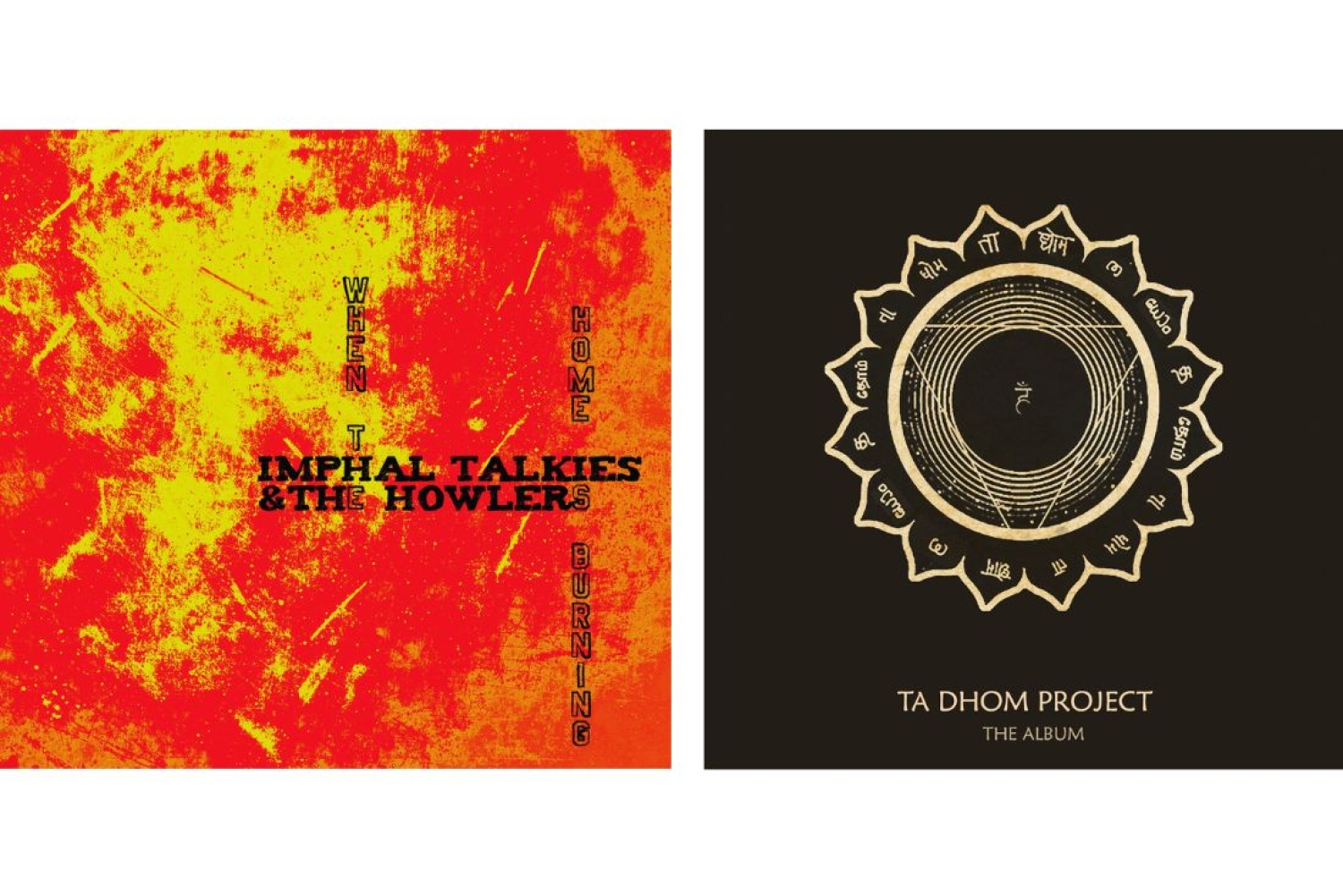
When The Home Is Burning, Imphal Talkies & The Howlers
Born out of years of street performances and protest gatherings, When The Home Is Burning is a stirring folk-rock record that tells the story of life in Manipur through songs of conflict, displacement, environmental loss and resilience. The music, defiant and urgent, fuses acoustic guitars, drums and Indian folk instruments with English, Hindi and Meitei lyrics. More than anything, it is a letter to home, to its beauty, its fractures and the hope of those determined to keep its stories alive.
Ta Dhom Project, Viveick Rajagopalan
Percussionist Viveick Rajagopalan brings together konnakol, mridangam, multilingual rappers and electronic beats to obscure the divides of ‘classical’ and ‘street’ music. Lyrically and sonically, the album moves and dances as a joyful celebration of cultural exchange and collaboration, unlearning all musical boundaries.
Baran, Parvaaz
Parvaaz’s debut album is like an approaching storm: slow-burning, poetic and heavy with emotion. Named after the Persian word for rain, the record uses its imagery to talk about longing and release, while also circling greed, materialism, grief and emotional unmooring. Beparwah, the opener, gives you a bright burst of momentum that sets up the album’s darker emotional weather to come. On the whole, the album asks what remains when everything superficial falls away.
The Tapi Project
The project’s self-titled debut makes rivers and cities come to life as they explore the memories and lives shaped by them. They mix folk, jazz, rock and brood over migration, belonging and modern Indian experiences. Suburban Zindagi catches the restless rhythm of urban life and with Tapi, the band turns towards nature, creating a tribute to rivers and the ecosystems that sustain us.
Words Nidhi Soni
Date 24.07.2026