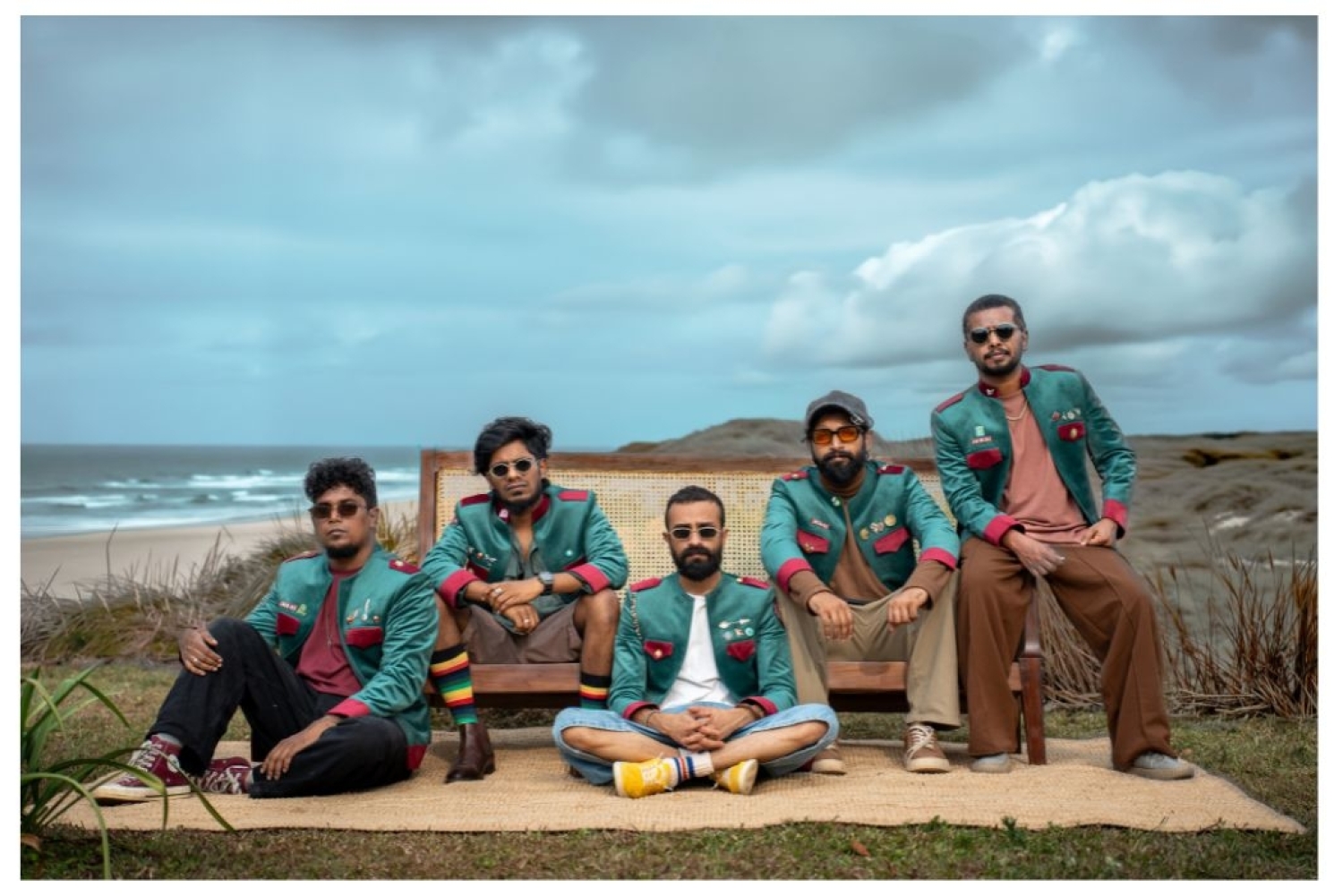
Image Courtesy: Hari Bin Babz
Image Courtesy: Hari Bin Babz
Long before listeners began calling it nature trance, Shanka Tribe were simply making the music that came naturally to them. Formed in 2011 by musicians from different parts of Kerala, Shanka Tribe is an Indian indie-musical band that found common ground in long improvisations and global folk instruments. From their breakout single When Nature Calls, shot in the forests of Kerala's western ghats, to their debut EP Umoja, conceived as one continuous twenty-minute listening experience, Shanka Tribe have built a body of work rooted in movement, nature and community.
Coming from diverse musical backgrounds, the band members discovered that they were drawn to the same questions: how music could move beyond genre, beyond words, and even beyond geography. Before there were songs, there were jam sessions. They spent hours responding to one another rather than writing with an end goal in mind, allowing melodies to build into something larger. ‘Over time, we realised we were not trying to fit into a genre. We were simply creating music inspired by nature, travel, community and shared experiences. That is how Shanka Tribe found its identity.’
That instinctive approach still shapes the way every composition begins. ‘If the music makes us feel something before we can explain it, we know we are on the right path,’ the band say. Their relationship with nature extends far beyond imagery. Forests, beaches and mountains continue to influence the pace and architecture of their music. Their upcoming project, KAAV, was created alongside indigenous communities in Kerala, moving the creative process into the forest itself.
Their sonic palette brings together the Australian didgeridoo, the African djembe, the Indian morchang, the West Asian oud and a growing collection of instruments learned through travel, workshops and collaborations. Each carries its own history, something the band is careful not to overlook. New sounds only become part of their repertoire if they deepen the story the music is trying to tell. Yet, live performance remains their greatest creative influence.
‘We learn how people respond, where the energy shifts and how a composition breathes in front of an audience. Many of our songs continue evolving long after they are written because every performance teaches us something new.’ Every Shanka Tribe performance starts with the blowing of a conch shell. That ritual is where the band takes its name, from the ‘shankh’, paired with ‘tribe’ to reflect the collective spirit at the heart of their music. The call of the conch marks the beginning of a shared journey for the band, inviting both performer and audience to the same page before the music comes.
That spirit of togetherness naturally found its way into Umoja. Named after the Swahili word for ‘unity’, the project was conceived as one continuous listening experience. Drawing together djembes, didgeridoos, oud and morchang, it also marked the band's first Malayalam vocal collaboration with Neha S. Nair. Alongside the EP, their work on the film Balan introduced the band to film scoring, where composition meant fitting an existing narrative instead of building one from within. The experience encouraged them to think less like performers and more like storytellers.
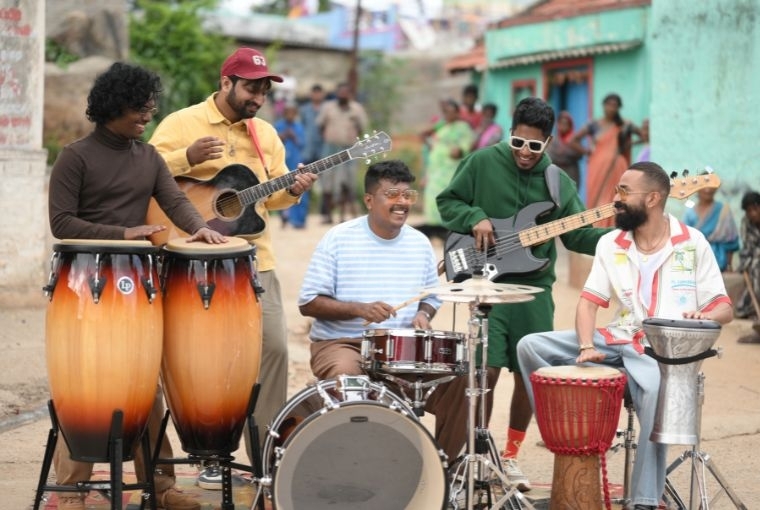
Image Courtesy: Hari Bin Babz
As Shanka Tribe's sound has evolved, so has the landscape around them. The Indian independent music scene is markedly more open today than it was when the band first came together, with audiences increasingly embracing music that resists fixed categories.‘..the growth of independent festivals across India has created meaningful spaces for artists like us. Festivals such as Bloom in Green, Echoes of Earth and Lollapalooza India have introduced audiences to a much wider spectrum of sounds and experiences. For a band like Shanka Tribe, whose music is deeply rooted in live energy and immersive performances, these festivals have become the perfect platform to connect with listeners who are open to discovering something different.’
The band’s ambition, at the end of the day, is to make people feel like they belong. Whether that belonging is found in nature, in a room full of strangers, or within oneself hardly matters. ‘If someone leaves one of our performances feeling more present than when they arrived, we have done our job,’ they say. The rest is simply carried by the rhythm.
Words Nidhi Soni
Date 7.7.2026