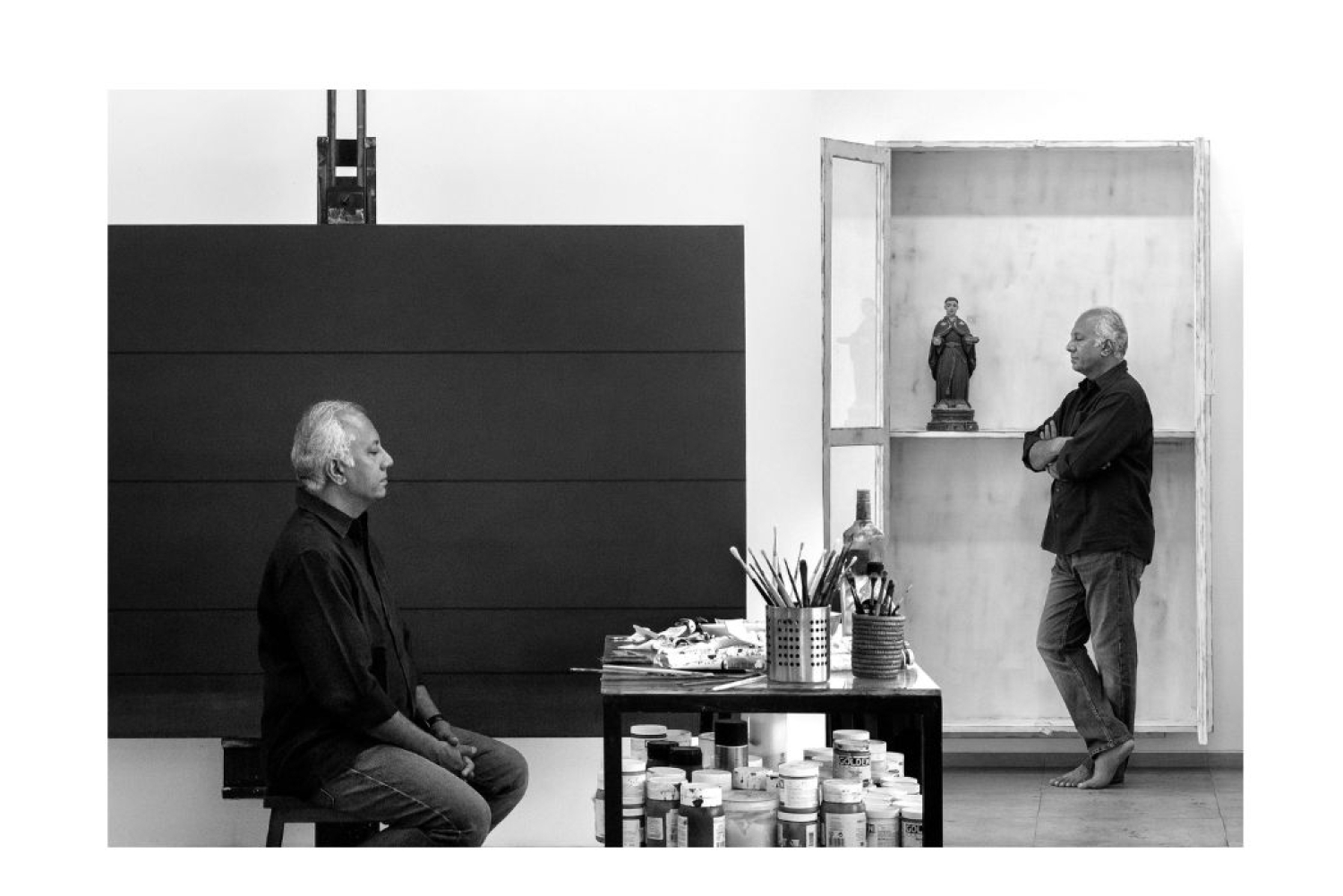
Atul Dodiya
Atul Dodiya
Rohit Chawla has always believed in the idea of subtraction within the realm of photography, an approach that underlines a practice shaped by quietness, where he pares away the extraneous to access something unguarded and real. His quest is to get to know the person behind the camera a little better, and to indulge in an instinct-led exchange that strips away artifice in favour of something honest. Having photographed thousands of individuals across film, art, culture, and literature, he is now working on two books, The Quiet Portrait and The Portrait of an Artist, both of which aim to give readers behind-the-scenes access into the lives of his subjects. He spoke to us about honesty and truth within his photographic practice, how power changes the way he positions himself behind the camera, and how his portraits have shaped his way of seeing the world.
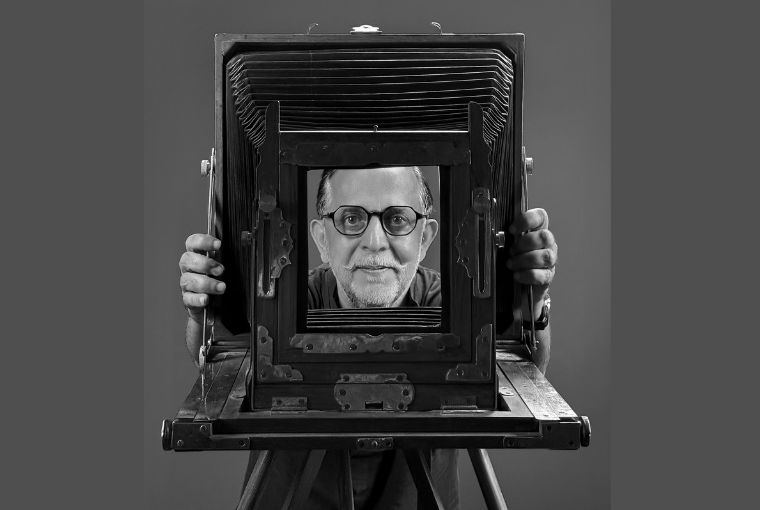
Rohit Chawla
How would you describe your photographic practice?
My practice is essentially about those elusive ten minutes that I spend with a subject. It is almost like I choose to trespass into a subject’s life with a fond hope that I get a part of them, in an authentic and real way, rather than being mired in fantasy. I want that interaction between me and my subject to remain a part of my collective memory, which is basically the subject and me, rather than it being a curatorial or community interaction.
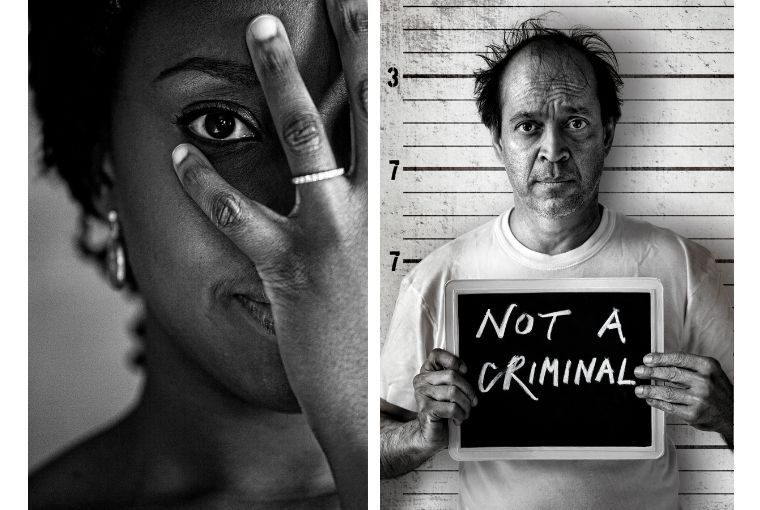
Left: Chimamanda Ngozi Adichie Right: Vikram Seth Courtesy India Today
How do you think about honesty and truth in photography?
There is a particular book that I am working on which is called The Quiet Portrait, a story of how every picture hides a story. And the next book that I'm doing is called The Portrait of an Artist, which is being released at the Jaipur Literature Festival. What you see, especially in celebrity portraits or portraits of any kind, is what they want you to see. The real story is always behind the scenes. The aim is to choose a hundred portraits from the thousands I have done, and weave a story through these hidden moments, whether it was Jeff Bezos, Robert De Niro, Prime Minister Modi, or an ordinary person on the street. The backstories are what are really interesting about portraits because what we are seeing in the media is mostly lies.
And I believe in the quiet portrait because I believe most good portraits are about subtraction. I try to remove the extraneous. I do not go with assistants. I do not carry lights. At best, I have a reflector or window light. Stylists try to shoot subjects in exotic locations and create mythical worlds around celebrities. I try to subtract all of that. A portrait is about subtraction rather than the addition of the unnecessary and the photographically exotic. These things are distractions meant to impress. If you really like a person or a subject, the picture should help you see them.
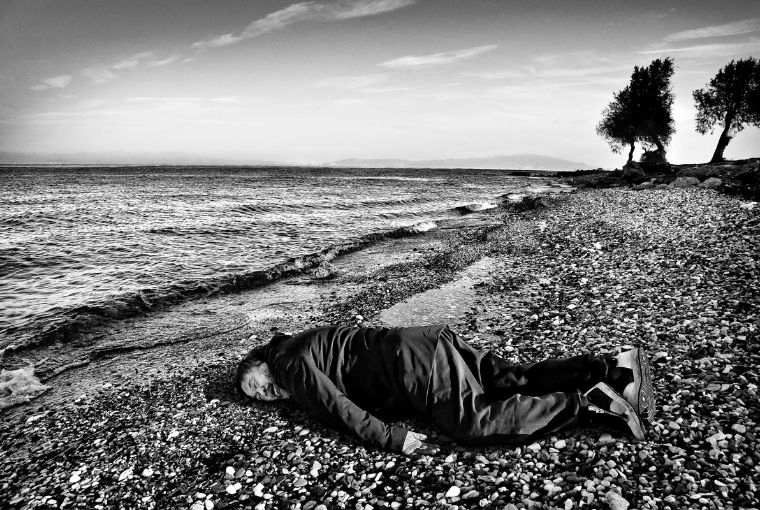
Ai WeiWei at Lesvos Courtesy India Today
Why is it important for you to turn the camera toward people who offer creative ways of seeing, such as writers and artists?
It is my quest to get to know the person a little better. I like to meet all my heroes through the lens or the camera that I have. My biggest blessing is that I have had a firsthand look at people of consequence, whether it is a Prime Minister or an artist or a writer. I'm trying to collect my own bunch of value judgments that I make in my head because, you know, sometimes catching people in unguarded moments, even without the camera in front of you, is a way of getting to know them. I am constantly trying to up my ‘know him quotient’ about my heroes, my literary icons, and artists. When you meet your subjects, you are educating yourself.
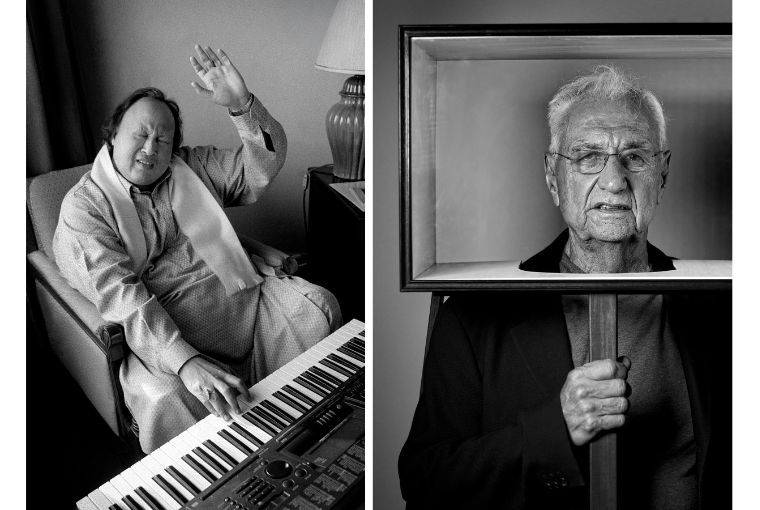
Left: Nusrat Fateh Ali Right: Frank Gehry
Does power change the way you position yourself behind the camera?
The power shifts in five or ten minutes when you have the camera. When you are shooting the biggest star or the most powerful person, vanity is a constant. But if the person believes in your craft, the power cedes to you completely for those ten minutes. The camera has a strange way of bestowing power on you for that brief time. Once the camera is down, I am a nobody again. But those ten minutes are fascinating. You know, these icons can be self-effacing, but agreeing to be photographed is their attempt to be willing to play that game with me. It is a beautiful dynamic if you know how to play it and not get intimidated by power. Over the years, I have learned not to get intimidated by power of any kind.
How do you know when a portrait is finished?
It is actually a lie. No photographer ever feels that absolute sense of completion. Photographers are not greedy, but they are needy people. Even when they think they have the portrait, they keep going. The digital medium allows this because it is infinite. When I was shooting film and had only thirty-six frames, I was less greedy. That limitation made one more decisive.
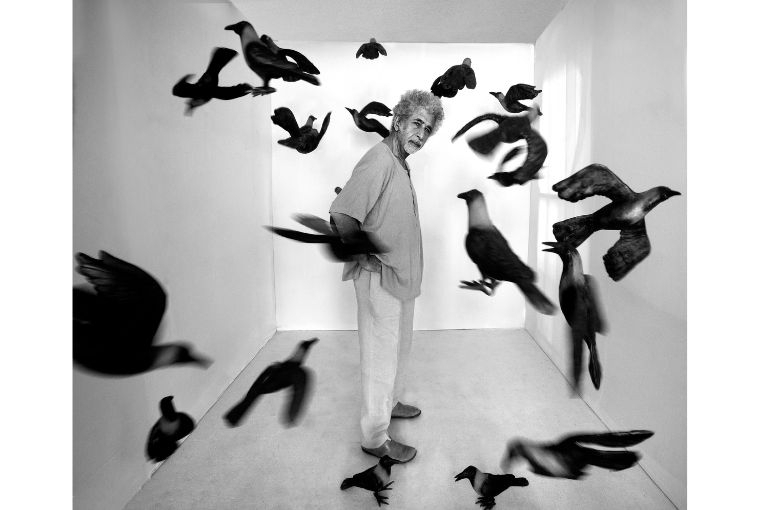
Naseeruddin Shah
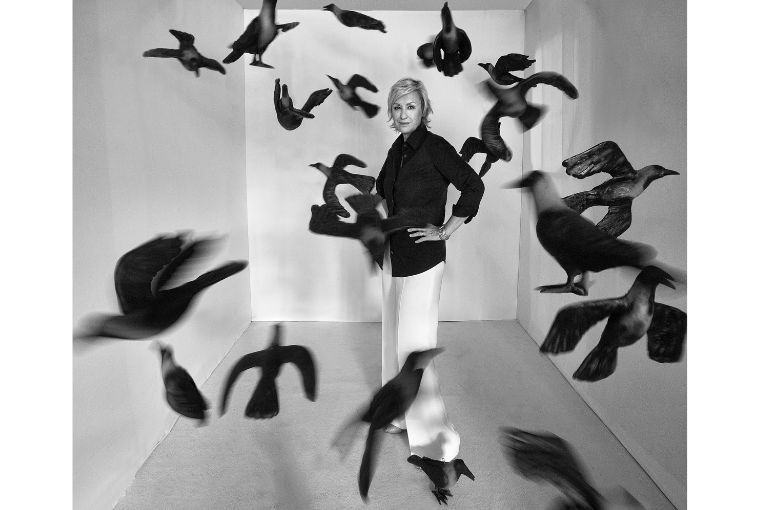
Tina Brown
What is your relationship to authorship and ownership in portrait photography?
The creative power lies with the person who presses the shutter. Whether it is a photograph, a painting, or writing, the creator is the one who chose the moment. When you photograph a model or a celebrity, does the subject believe it is their photograph? I believe the creative person who makes the work owns that moment. The power cedes to the creator.
Do you see people through a photographic lens even when you are not shooting?
When you go on a photographic assignment, you already imagine what the picture will be. Photographers do not take photographs; they make photographs. Photography should not be an accident. I believe in the staged image, but staged does not mean artificial. I start with a blank canvas and take ownership of how I place my subject.
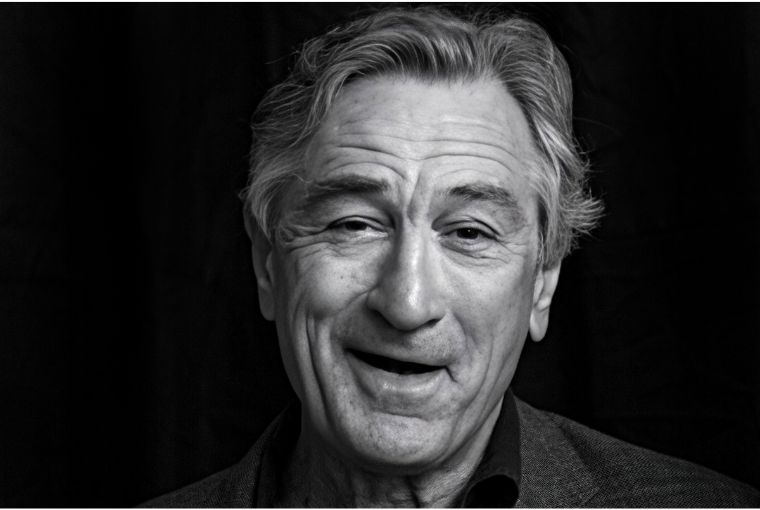
Robert De Niro
What role does curiosity play in your creative life?
Curiosity is the biggest thing that keeps you alive in the creative business. If you are not curious, it is over. My portraits are guided by that elusive quotient of curiosity. I surround myself with people who educate me daily. Conversations with writers, artists, and thinkers guide my instincts about who I want to photograph.
Lastly, what advice would you give to someone just starting?
What I find appalling is the amount of derivative work being made. Young people are choosing trendy work because it is the flavour of the moment. That will hold no meaning. Do not be derivative. Do not try to be edgy. The world has already made a mockery of that. If your work cannot stand on its own without a curatorial note or explanation, it has no reason to be on a wall. Intent does not matter if the work does not have aesthetics, poetry, calm, or composition. If it does not have that, it has no meaning being shown.
Words Neeraja Srinivasan
Date 19.1.2026
This is an article from the January EZ. For more such articles, read the EZ here.