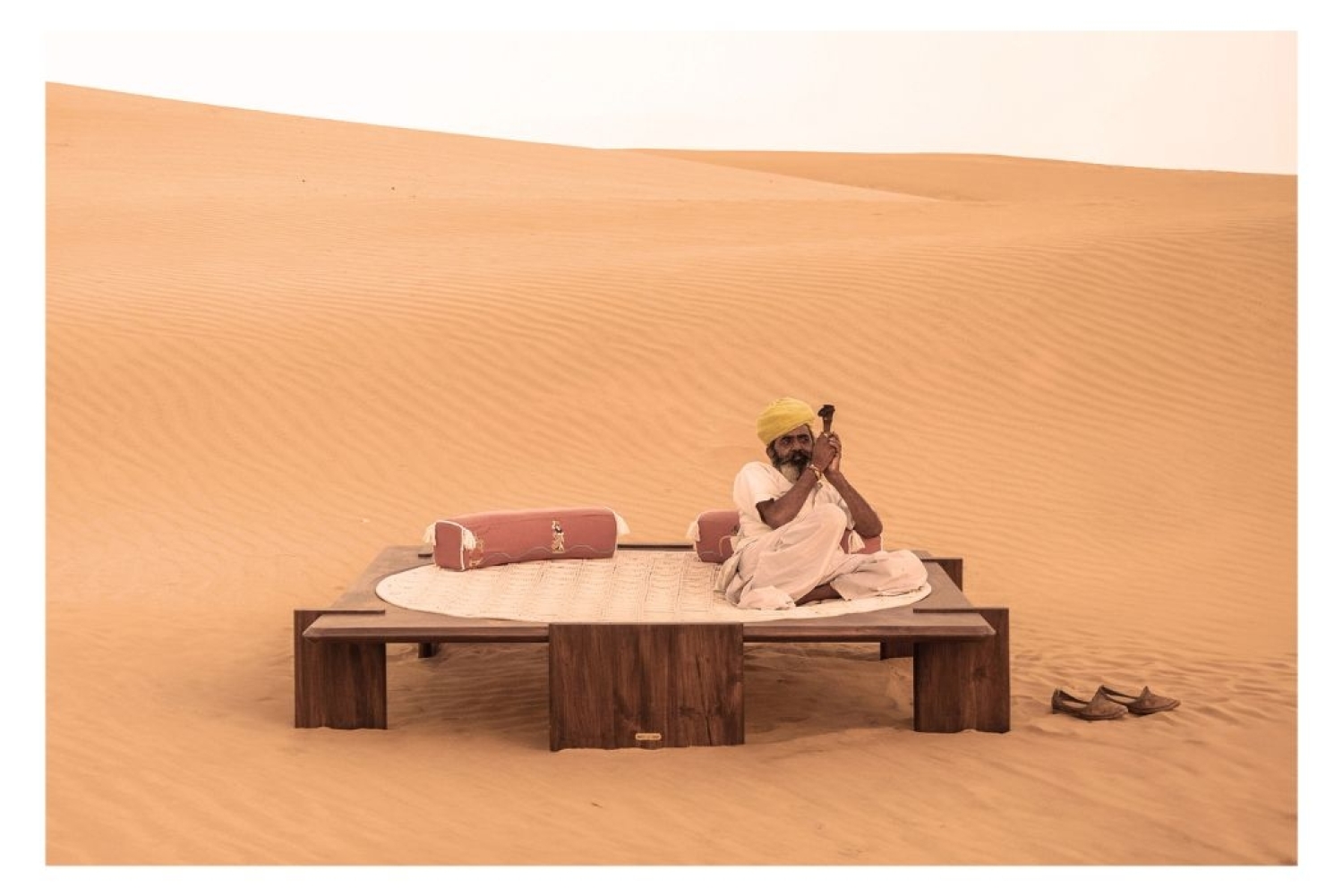
Rooted in the intricate woodworking legacy of Rajasthan, India, Jagdish Sutar Design Co. reflects the generational legacy of the Sutar community with contemporary design, and they are dedicated to bridging the gap between eastern heritage and western aesthetics. Below, Jagdish discusses inspirations, material choices, design ideologies and what lies in the future for them.
Inspiration
‘Growing up in a family of woodworkers, craft was never something I had to discover; it was something I grew up living with. Watching my father and uncles work taught me that good design begins with an understanding of the material, patience, and respect for the hands that shape it. I learnt to see wood not just as a material but as something with its own character and history. My design education gave me a new language for these early instincts but their foundation will always be the workshop I grew up around.
For me, heritage gives me a starting point, while contemporary life gives me a reason to reinterpret it. I am interested in what happens when something familiar is seen differently, when an old technique finds relevance in a new form or a traditional object adapts to the way we live today. I don't want to recreate the past; I want to understand what makes it valuable and carry that essence forward.’
Material
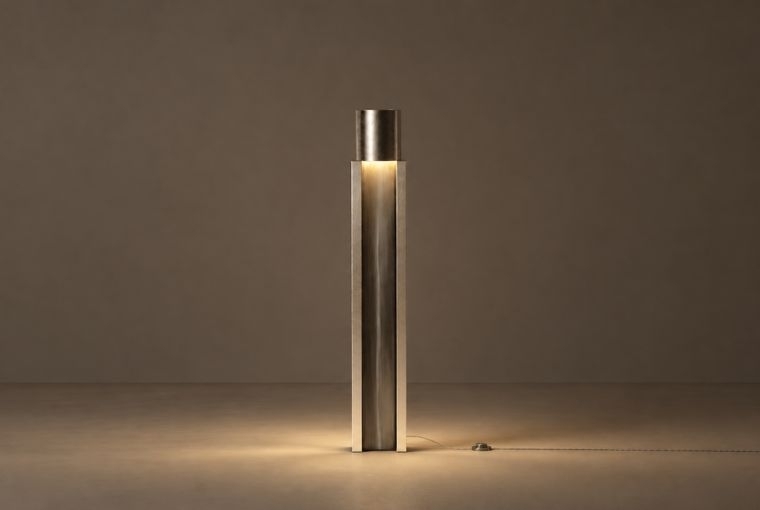
‘Wood is where my relationship with design began, so it will always hold a special place in my practice. What I love is its individuality; no two pieces have exactly the same grain, tone or character. When selecting a species, I look beyond its appearance to its strength, workability, ageing and suitability for the object. The grain also influences how a form is perceived. I believe the material should contribute to the design rather than simply follow it. Sometimes, understanding what the wood wants to be is as important as knowing what you want to make.’
Design
The studio describes their work as bridging Eastern heritage and Western innovation. Jagdish comments, ‘The bridge is less about combining two visual styles and more about bringing together two ways of thinking. Indian craft offers an incredible depth of material knowledge, cultural meaning and hand skills, while my education in Italy introduced me to different approaches to form, proportion and contemporary living. In our pieces, this might mean taking a traditional weaving technique and giving it a new architectural expression or rethinking a familiar object through a contemporary silhouette. The intention is never to make one influence more important than the other but to let both bring out something new.
Storytelling gives our objects a reason to exist beyond their function. Sometimes the story comes from a craft tradition, sometimes from a ritual, a memory or a familiar object we have grown up with. Through our work, I hope to preserve not only the techniques themselves but also the knowledge and sensibilities of the artisans who carry them forward. These are stories of families, communities and generations that often go unrecognised. We try to give them a contemporary expression without losing the honesty of where they come from.’
With Drop 02 Arghya, we wanted to explore that relationship between objects, ritual and the senses. The idea comes from a ritual I have grown up around. In Indian worship, the Pancha Upachara honours the divine through five offerings associated with our senses. I have always found it meaningful that something so deeply rooted in everyday life brings together sight, sound, touch, smell and taste. It made me think about how objects can guide an experience rather than simply serve a function.’ Elucidating how the design approach is sensitive while letting it feel relevant to how we live today.
Forward
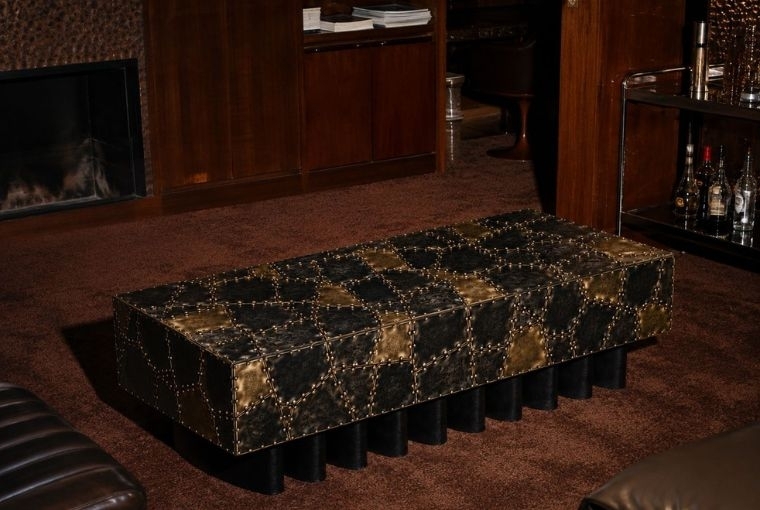
‘I think we already have a beautiful culture of valuing objects that are passed down through generations. What interests me is how contemporary design can become part of that same culture. An object does not have to be old to hold meaning; it needs to be made thoughtfully, with integrity, and have the ability to grow with the people who own it. We want to create pieces that feel relevant today but are not tied to a particular moment or trend. If an object is cared for, lived with and eventually passed on, then it has become an heirloom in its own right.
We are excited to keep exploring beyond the boundaries of woodworking while staying connected to our roots in craft. With Objects Insieme, we have begun working across materials such as metal, stone, textile and glass, allowing each to bring a different character to the object. We are also interested in how familiar rituals and everyday experiences can inspire new forms of collectable design. We don't want to rush towards making more; we want to keep asking better questions. For us, the most exciting part is discovering where these explorations take us, alongside the artisans and collaborators who make them possible.’
Words Shruti Verma
Date 22.10.2026
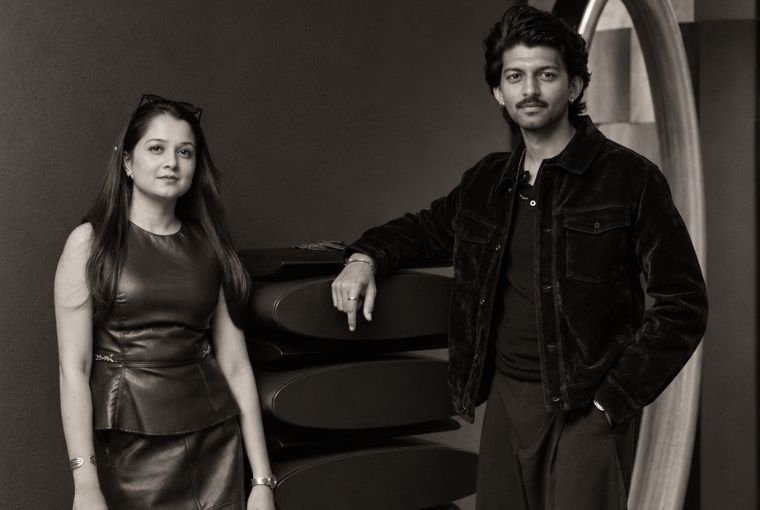
Prasanna Malunjkar and Jagdish Sutar