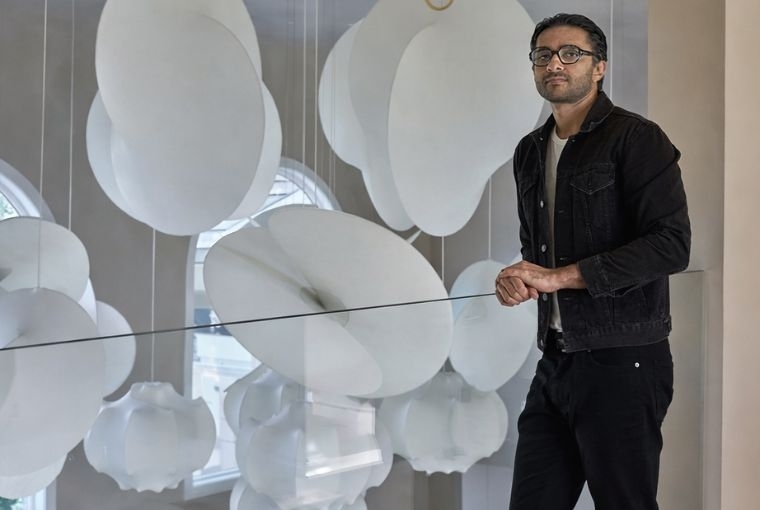
Long before he understood how buildings were made, Karan Desai was already looking at the world through a designer’s eye. Today, as the founder of KARAN DESAI | Architecture + Design (KDAD Studio) and Karan Desai Home (KDH), he approaches every space with a deceptively simple question: how will it be lived in? Across bespoke high-end residences, hospitality projects, and collectable pieces, his work is defined by a deep preoccupation with movement and materiality.
As a child, Karan spent hours watching his grandmother’s 115-year-old Gothic mansion being dismantled. The experience left him mesmerised by the building and quietly determined to one day build another home for her. That first spark quickly grew beyond a single house. Every car ride became an apprenticeship in observation as Karan scrutinised façades, imagined alternative floor plans, and instinctively re-envisioned how each building might have been designed differently.
Movement Over Material
The spatiality of movement is the foundation of Karan’s practice. He believes the first question is not what a space should look like, but how someone will move through it. The walk from the entrance to the living room, from the bedroom to the everyday console where keys and watches are placed, is carefully considered before materials enter the conversation. Routines, habits, preferences, and small rituals are taken into consideration before a fabric swatch. Karan jokes that he becomes an ‘agony aunt’ for families, listening to multiple perspectives as each family member brings their own needs to the table. From the brands they use and destinations they travel to, to the way they begin and end their day, conversations offer a deeper understanding of their lifestyle.
Why Play Matters: The Monster Series
Karan Desai Home became a space where he could step away from the practical demands of architecture and follow instinct, curiosity, and experimentation. ‘You want to feed that inner child in you to do something crazy,’ he says. Unlike a commissioned project, the KDH gave him the freedom to create without constantly measuring commercial outcome.
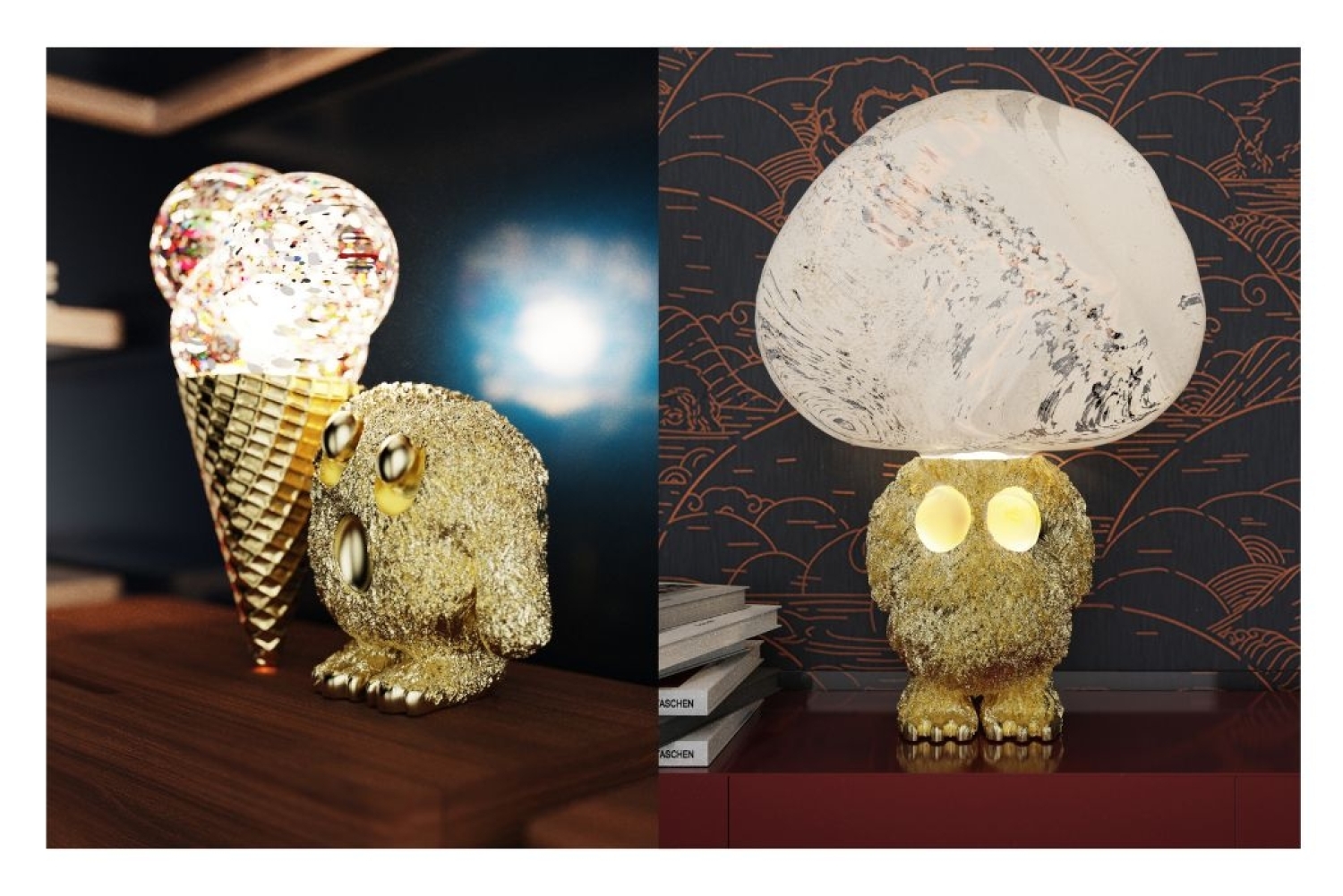
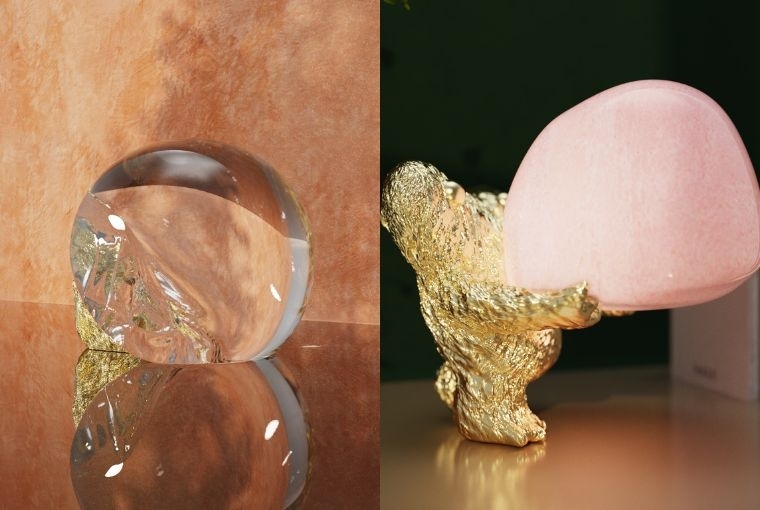
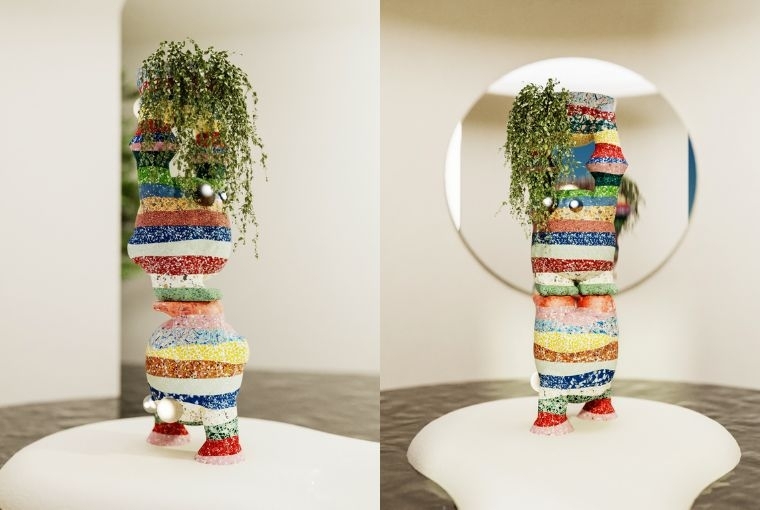
The Monster series emerged from the freedom of play. The experience is at the centre of the whole process. His choice of stone, a material he expressed is generally associated with floors, counters, or sculptures, became an act of reimagining. He transformed it into tactile, functional objects that invite interaction rather than distant admiration. By bringing it into everyday life, making it something people can touch, sit on, and use, he wanted to turn furniture into an experience. The Monsters represent his willingness to take creative risks, irrespective of success, as long as they allow design to remain curious. ‘I didn't even ask for it to be sold; in my head, I knew that we were coming up with monsters; who was really going to buy it? But it didn't stop there, because if we had stopped due to how much money would come out of it, then we wouldn't have reached Monster 4.0 today.’
Beyond A Signature Style
A familiar language of forms, colours, and details can become a designer’s signature; a visual thread that connects one project to the next. Karan rejects having a recognisable look and is more drawn to allowing each space to develop its own personality. This is also why he describes his practice as a kind of contemporary, which isn’t interested in chasing the new. A space should not feel like it has arrived at its final form the day it is completed. It should be able to welcome a traditional carved wooden chair as easily as a futuristic chrome piece, carrying multiple influences without losing its own character.
This belief extends to his view on the future of Indian design as well. Karan sees Indian designers moving beyond borrowed references and confidently exploring their own materials, craft traditions, and ideas. The future, he believes, lies in creating work that can stand globally while still carrying a distinctly Indian sensibility.
The road ahead for him is a growing list of projects: interior works across India and internationally, an expanding range of his collectables, and perhaps the most intriguing new chapter: his jewellery line, The Vault. Currently in its ideation, the collection will unfold towards the end of the year.
This is an article from the August EZ. For more such stories, read the EZ here.
Words Nidhi Soni
Date 16.10.2026
Photographed by Ashish Sahi