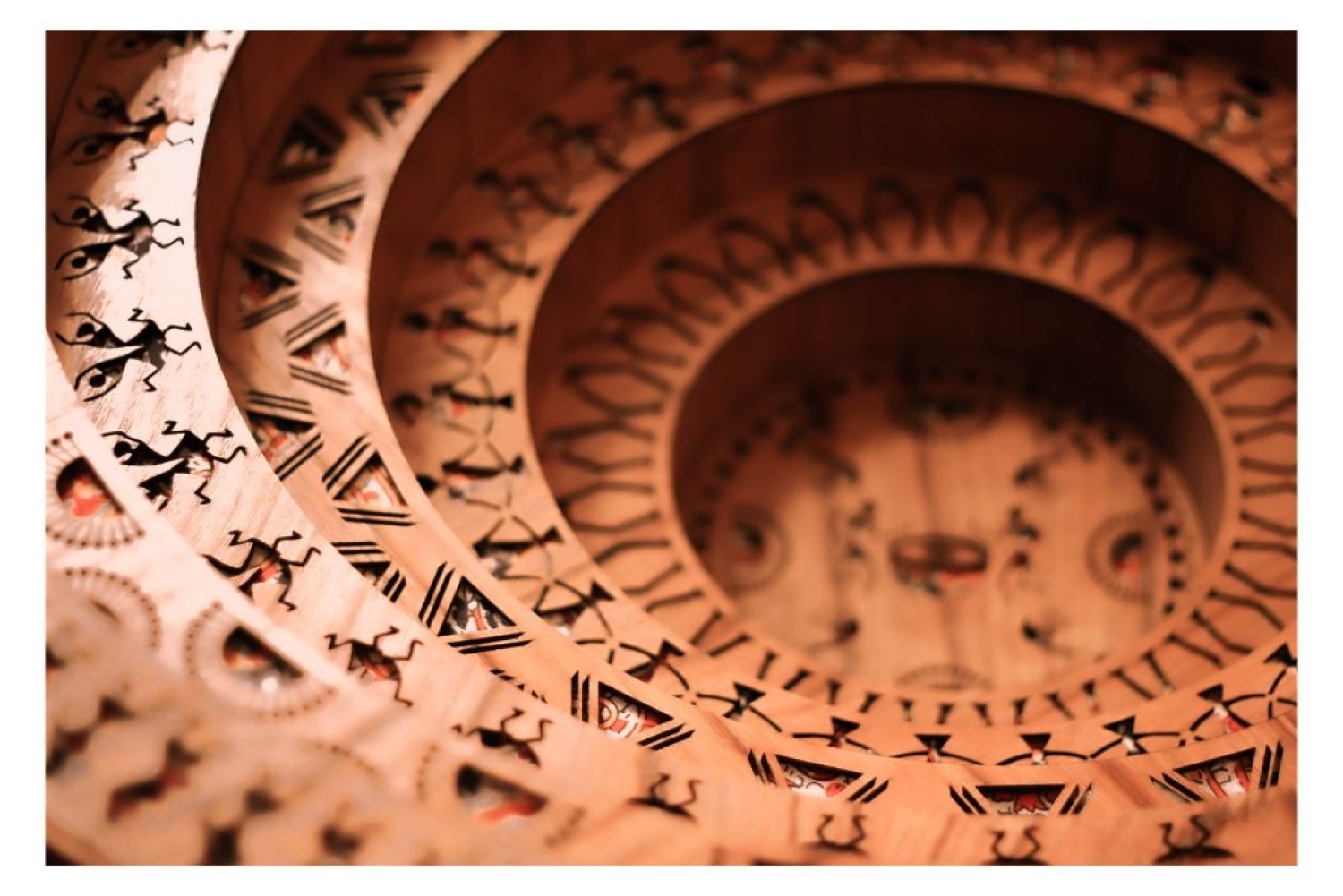
KEPH Design Studio likes their approach to design to be rooted in ‘tactile honesty’. This means working closely with materials, embracing their imperfections and letting experimentation lead the process as much as possible. Keyuri and Resheph, the founders’ work includes the Yog series of miniature ceramic vases, which inspired life-size sculptures for Ahmedabad’s Oxygen Park, and burnt terracotta table lamps informed by their interpretation of The Odyssey. A handbuilt stoneware ceramic mural, bringing together 40 individually crafted symbols inspired by the randomness of everyday thoughts is also an example of their dedication to the material process. Across lighting, furniture and home decor, the designers conceive, make, test, alter and physically craft their pieces themselves, allowing materiality and experimentation to shape each finished object.
A Principle That Grounds KEPH
At KEPH, we’re interested in the space between the familiar and the unexpected. Born in Ahmedabad, our multidisciplinary practice works across lighting, furniture, and all things home, but our real medium is experience. We like objects that have a point of view; pieces that invite touch, reveal their materiality, and become more interesting with time.
Our approach is rooted in tactile honesty. We work closely with materials, embrace their imperfections, and let experimentation lead as much as intention. The designer’s hand doesn’t stop at the drawing board here; we conceive, make, test, alter, and often physically craft our pieces ourselves. That proximity to the process keeps the work honest. The one principle we’ve held onto through the years is simple: never make something merely because it can be made. Every object should have a reason to exist; and ideally, a little mystery that makes you want to live with it.
Approaching Everyday Objects With An Irregular Lens
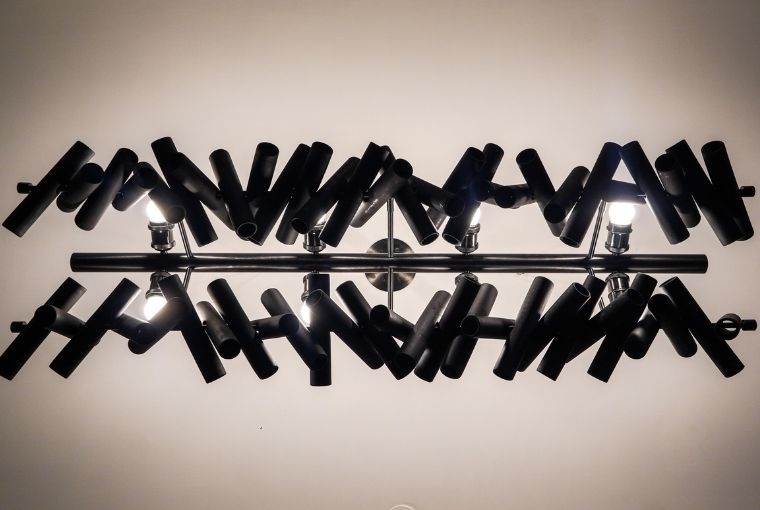
We don’t really have a formula for where an idea comes from. It can emerge from a conversation, a film, a line in a novel, or simply someone walking past us on the street. Our process is deliberately porous; we let observations from everyday life find their way into the work. What is rigorous, however, is what survives. We are probably our own harshest critics. Before a piece leaves the studio, we actively look for anything remotely similar; not just within India, but globally. We’ve scrapped designs we genuinely loved simply because they reminded us too closely of something that already existed.
Originality, for us, isn’t a marketing claim; it’s a responsibility. And that same instinct shapes how we approach the everyday. We’re less interested in making an object immediately recognisable than in making you pause and wonder what it is. A light doesn’t necessarily have to look like a light. It can be sculptural, ambiguous, even slightly mysterious. We like objects that make people stop, look twice, and then discover their function. So perhaps our irregular lens is simply this: take something familiar, remove its obviousness, and see what else it could become.
Giving Personality A Tangible Form
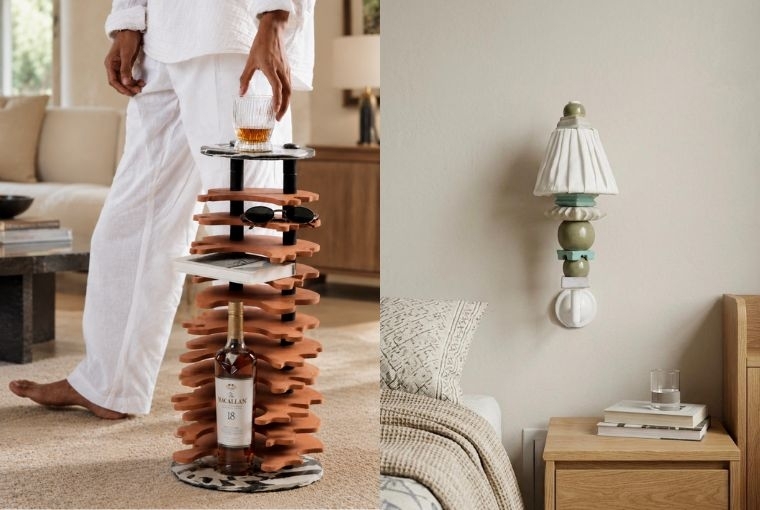
Honestly, we’ve learnt that there is no universal formula for what belongs in a space. The right object is rarely about its size, colour, or style; it’s about whether it feels like it belongs to the person living with it. We like to understand the individual before we think about the object. Someone might express themselves through a dramatic sofa, an oversized light, or a sculptural table; someone else might live in an almost entirely monochromatic home and have one unapologetically bold, blood-red vase sitting at its centre. Both can be equally personal.
That’s what interests us: giving personality a tangible form. For us, a home shouldn’t look like a well-styled catalogue; it should feel inhabited. Over the years, we’ve seen spaces move away from being generic boxes towards becoming more personal, considered environments; and that shift matters because we spend so much of our lives surrounded by these objects. So, whether it’s a tiny vessel or a room-defining light, the best fit is ultimately the one that tells you something about the person who chose it. A good object fills a space. A great one reveals who lives there.
The Joy Of Handmade
For us, handmade isn’t a manufacturing choice; it’s a design philosophy. KEPH is a deliberately small, hands-on studio, and the same people who imagine an object are deeply involved in figuring out how it should exist in the physical world. Most pieces begin with understanding their context; the space, the light, the people, and the mood; followed by a lot of experimentation. Because we work with highly tactile, often unconventional materials, the drawing is only the beginning. We build scaled-down prototypes in clay, epoxy, or the material we intend to use, testing form, structure, proportion, and, importantly, whether the idea is actually makeable. Sometimes the miniature teaches us more than the render ever could.
From there, every piece is built, assembled, and refined by hand. There’s trial and error, plenty of it, and probably a few things that don’t deserve to make it out of the studio. But that physical involvement is non-negotiable for us. We’ve never wanted to be designers who hand over a drawing and walk away from the making. There is something deeply satisfying and necessary; about staying close to the material until the object becomes what we imagined. We didn’t start KEPH to design things and outsource the joy of making them. We started it because we wanted to make it.
What Makes an Object Truly Unique
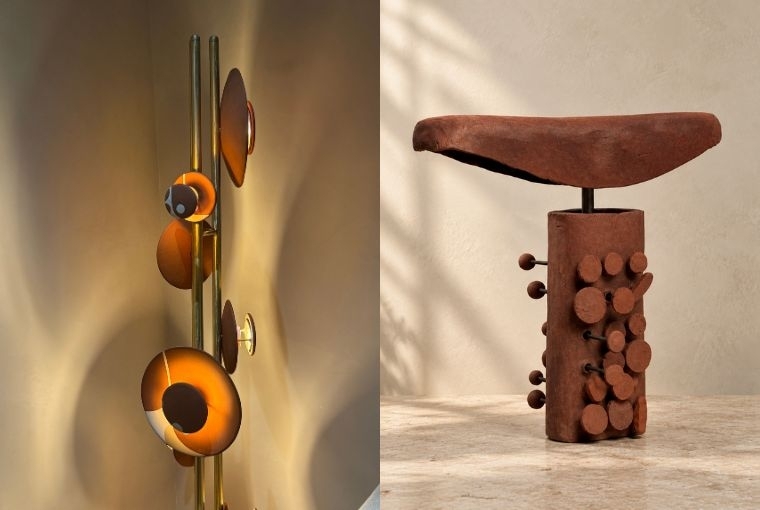
An object becomes truly unique when it has a point of view that could not have come from anywhere else. Today, when references are everywhere and trends travel faster than ideas, it is surprisingly easy to make something that looks new but feels familiar. For us, uniqueness begins with authenticity; a genuine thought, an honest curiosity, and the courage to follow an idea even when it doesn’t immediately make commercial sense.
At KEPH, we are interested in the gaps that others might overlook; the everyday observations, conversations, materials and cultural references that can lead somewhere unexpected. We believe an object becomes compelling when it carries something human within it: a story, a contradiction, a little imperfection, perhaps even a sense of humour. In a world where everyone is trying to be different, perhaps the most radical thing is simply to be honest. The truly unique object is not the one that tries hardest to stand apart; it is the one that could only have been made by you.
Words Neeraja Srinivasan
Date 13.10.2026

Founders, Keyuri and Resheph