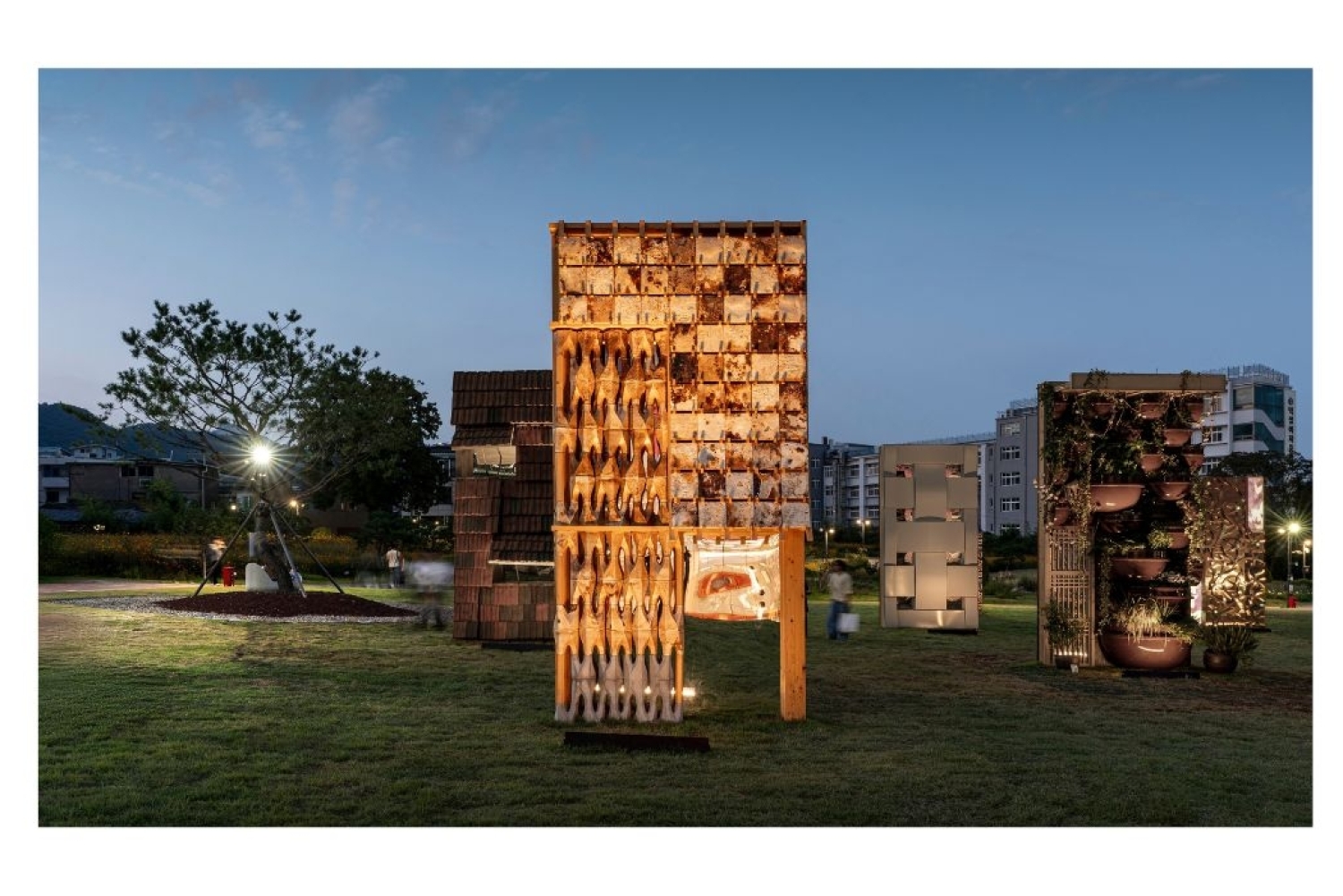
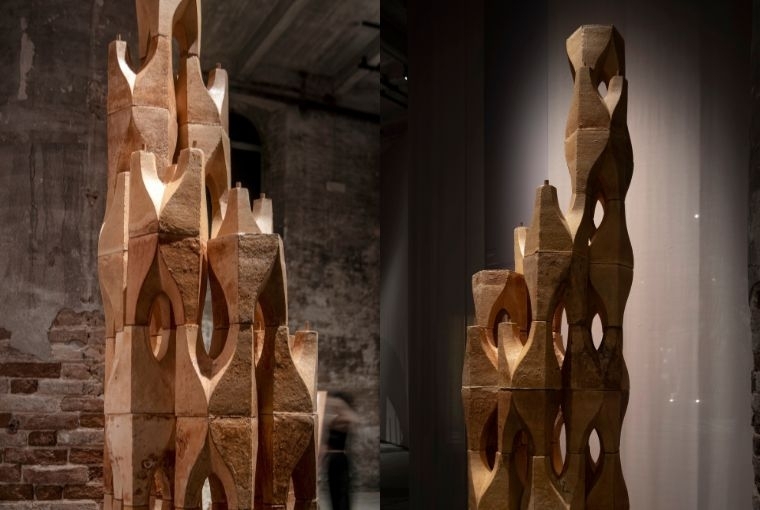
Founded in 2022, Anomalia is a global, collaborative architecture and design practice rooted in the belief that design can be a powerful tool to benefit both people and the planet. Anomalia came into being from a fundamental questioning of what it means to be an architect today. Bhakti V Loonawat and Suyash Sawant, the founders, felt that the role of architects can no longer be limited to designing buildings alone. An awareness of the planet around them pushed Bhakti and Suyash to rethink their role as designers, and led them to start Anomalia as a conscious design practice that attempts to make an impact wherever possible, whether through materials, processes or collaborations. They work across architecture, interior and furniture design, developing projects that range from institutional buildings to material research–led installations, including mycelium-based structural systems exhibited at international platforms like the Seoul Biennale of Architecture and Journalism and the Venice Biennale of Architecture.
The Intent
The name Anomalia comes from the word anomaly, something that deviates from the normal or expected. It reflects our intent to question established ways of practicing architecture and design. Much of the built environment today is shaped by speed, efficiency, and over-consumption. Anomalia represents a deliberate choice to step away from that norm and explore alternative paths. This could mean working with unconventional materials, slowing down processes, or rethinking what architecture can be responsible for beyond form and function.
Choosing Projects
We work across all scales and are realistic about the fact that humans need infrastructure. The key for us is not avoidance, but mindfulness. We choose projects where there is space to be conscious about impact rather than simply applying alternative materials as a label. Our process starts with understanding purpose and context, followed by careful decisions around materials, systems, and scale. We believe responsibility comes from intent and rigour, not from greenwashing, and we stay involved through every stage to ensure that the project remains thoughtful from idea to completion.
Walls of Public Life at the Seoul Biennale
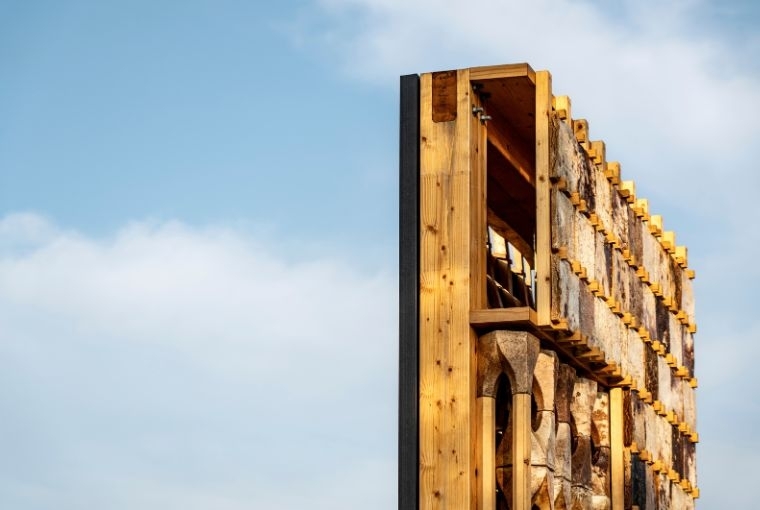
Our exhibition was presented as part of Walls of Public Life at the Seoul Biennale of Architecture and Urbanism, where we were one of twenty-five designers selected by the Director General, Thomas Heatherwick. We wanted to question the idea of walls and facades as rigid, bland structures and instead imagine them as living, responsive elements within the built environment.The installation was made using mycelium based materials, grown from agricultural waste, allowing the wall to be both structural and biodegradable. It represents an alternative future where architecture is not only built for use, but designed to return to the earth once its purpose is fulfilled. At a larger level, the work spoke about responsibility and care. It asked how public architecture can be lighter on the planet, more adaptable, and more connected to ecological cycles, while still holding cultural and civic meaning.
The Intersection of Tech, Students and Local Communities
Design today goes far beyond aesthetics. It is a tool to bridge the gap between technology and real world use. Innovation only matters when it is understood, accessible, and grounded in everyday life. Working across disciplines, with students and local communities, helps us test ideas beyond the studio and keeps the work rooted in reality. It also allows us to share a more conscious way of thinking with a wider audience. For us, it is important to move these conversations beyond the echo chamber of architects and reach decision makers, developers, and institutions who shape how our cities and environments are actually built.
This is an article from Platform's May 2026 Bookazine. For more such stories, grab a copy here.
Words Neeraja Srinivasan
Date 26.9.2026