In 2012, DailyObjects was just another name curating phone cases and laptop sleeves from other brands, riding the first wave of Indian e-commerce before logistics or trust in online payments had fully caught up. Two years in, founder Pankaj Garg made a riskier bet. Instead of selling what already existed, DailyObjects would design and make its own. It started with just phone cases, which they refined obsessively before anything else was allowed in.
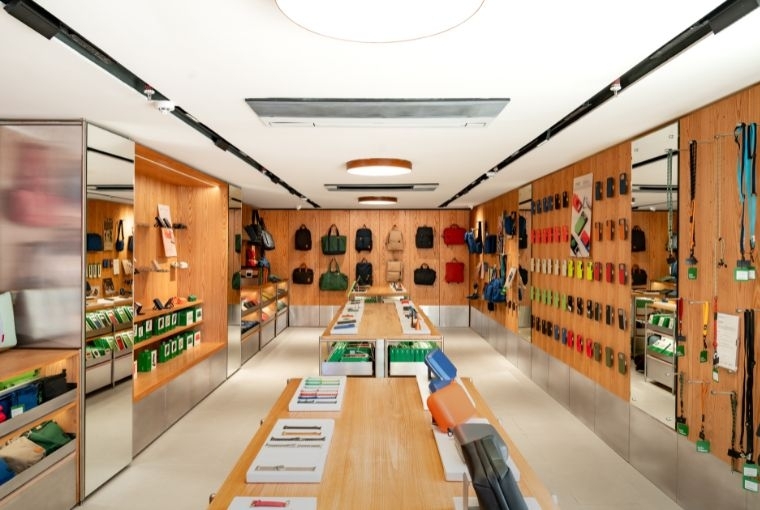
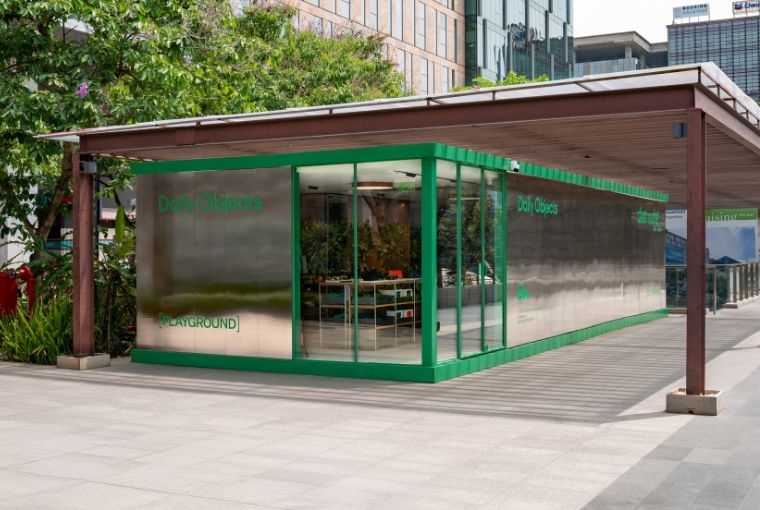
That discipline has since evolved into a design philosophy spanning phone cases and accessories, bags, and desk accessories, built on the simple belief that good design doesn’t have to be crazy expensive. It's a philosophy that has taken the brand from a 6,000-square-foot facility in Sultanpur to a 50,000-square-foot space in Gurugram, expanding at a time when several D2C brands were pulling back.
As part of our ongoing series on homegrown startups that have built lasting businesses in India, we spoke to Pankaj about that journey, the ethos behind the brand’s design language, and what staying design-first has cost and protected along the way. We began by asking him about the shift from curating to creating.
We wanted to understand how design as a business idea came to you, rather than just tech or e-commerce, considering your background?
I had an eye for design from childhood. I come from Mubarikpur, a small village in Alwar, Rajasthan. Almost no exposure to good education. No exposure to the wider world. It was a long road. There was another pull too. I wanted to know everything the world was building. Politics, design, technology, music, films, all of it. Fifteen, twenty news sources a day. Then Twitter, to see what is happening right now. That hunger is what took me to computers. Not a plan. A pull.
Design came from the eye. Technology came from curiosity, wanting to see what was coming next. E-commerce was never the idea. It was just where the two met, the channel that let one reach the other, at a scale nothing before it could. Here's what we saw: hardly any accessories in India for the phones and devices we'd come to rely on. Good material, good thought, good quality was missing. So the idea was simple. Good design, for everyday objects, made for India. Not gatekept. Democratised. Tech and e-commerce are how you sell. Design is why someone buys. I always knew which one I was building the company on.
Your brother Sanjay runs Raw Mango and your sister Prerna works in biodiversity conservation. How did growing up in a household that gave you all room to follow different instincts shape how you think about aesthetics?
The greatest gift our family gave us was the freedom to follow our own paths. Our parents didn't have much exposure themselves, but they never pressured us to conform or pick careers that looked successful on paper. We were encouraged to stay curious and form our own perspectives. Each of us found our own strength, and the lesson at home was always the same, focus on what you're good at, and grow from there. Sanjay went into textiles, Prerna into biodiversity conservation, and I went on to building a tech-enabled business. I never studied design formally. But growing up like that taught me to trust my own eyes. My own understanding of design, honestly held, was enough to build a brand that could take good design to a much bigger audience in India and globally.
When you started creating your own products, what was the ethos of DailyObjects as a design-forward brand?
Good design, for us, is a response to many functions at once. Beauty is one of them: expression, form, finish. Reliability is another. Neither sits above the other. Both have to hold, together, for something to earn its place. A phone case has to survive a drop. It also has to feel like something you chose, not something you settled for; the colour, the material has to last the everyday oddities, and simply how it sits in your hand and lifestyle at large.
We look at ordinary things we rely on every day, and look for ways to make them more playable. Add more joy, expression and character in objects that never had room for it. As a result, making everyday routines a little bit better, in expression, in function or as a sum of both.
It's why the portfolio feels coherent, while still giving people room for individual expression.
You've said DailyObjects doesn't lean on block prints or overt Indian motifs to prove its identity, but still draws on nostalgia in campaigns like the Postcard collection. What was the creative process behind that?
For me, Indianness doesn't live in motifs. A block print on a phone case doesn't make it Indian; it makes it decorated. Our rootedness shows up in how well we understand our people and our journey, how we lead our lives today - commute, carry and what still matters. The line I draw is simple, emotion versus ornament. The Postcard collection worked because it drew on shared memory. Postcards were how India stayed connected for a century, and putting that on the most modern tool of communication felt like old meeting new in a way that carried real feeling. That's very different from adding a motif just to prove where we're from.
A confident Indian brand shouldn't have to perform its identity. If there’s a shared emotion, we'll use it. If it's decoration for decoration's sake, we drop it. And in a way, restraint is also an Indian tradition, we just forgot that somewhere along the way.
From a 6,000-square-foot facility in Sultanpur to a 50,000-square-foot space in Gurugram, the company grew during a period when many D2C brands were cutting back. What did staying design-first cost you when capital was tight, and what did it protect?
There was definitely pressure to optimise, to move faster, to do what everyone else was doing. But we were never chasing growth for its own sake. Every investment came from a longer-term belief: if we wanted to build world-class products, we needed the capability to make them consistently, not as one-off wins. Good product takes time. It takes iteration, and the discipline to keep refining an idea until it's actually ready and not just ready enough to ship. So expanding our design and manufacturing capability was never a short-term call. It cost us speed when capital was tight. What it protected was the ability to keep making differentiated products for years, not quarters.
You've spoken about DailyObjects having no real competitor in lifestyle and tech accessories today. What are your top three products and how do you make them the best out there?
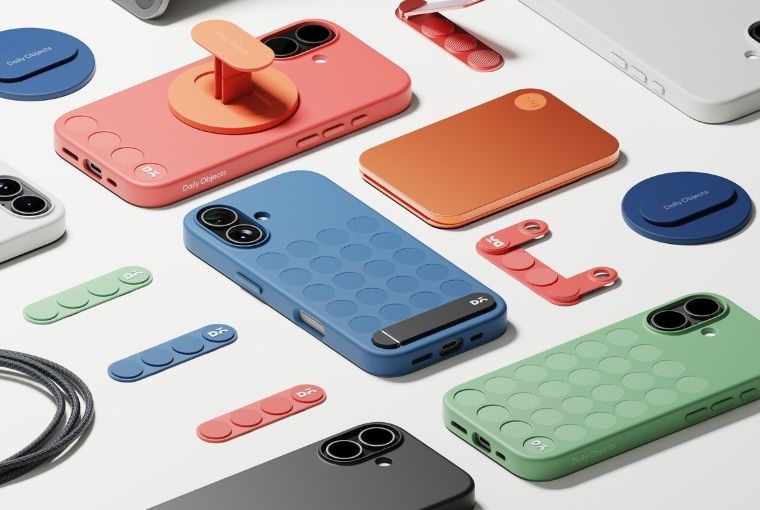
Yes, we don't have one direct competitor, because we've never tried to be a category player. We're building a brand, not a category. First, without question, is Stack. It's less a product and more an ecosystem, our biggest long-term bet on original, concept-led design. Instead of a phone case being one fixed thing, we turned it into a modular system that adapts through the day, interchangeable modules, colours, configurations, over 980 possible combinations. Deeply personal, still fully functional. It's won some of the biggest design awards in the world, Red Dot, iF Design, the European Product Design Award and taken something designed in India to customers in nearly 50 countries. That one means a lot to me.
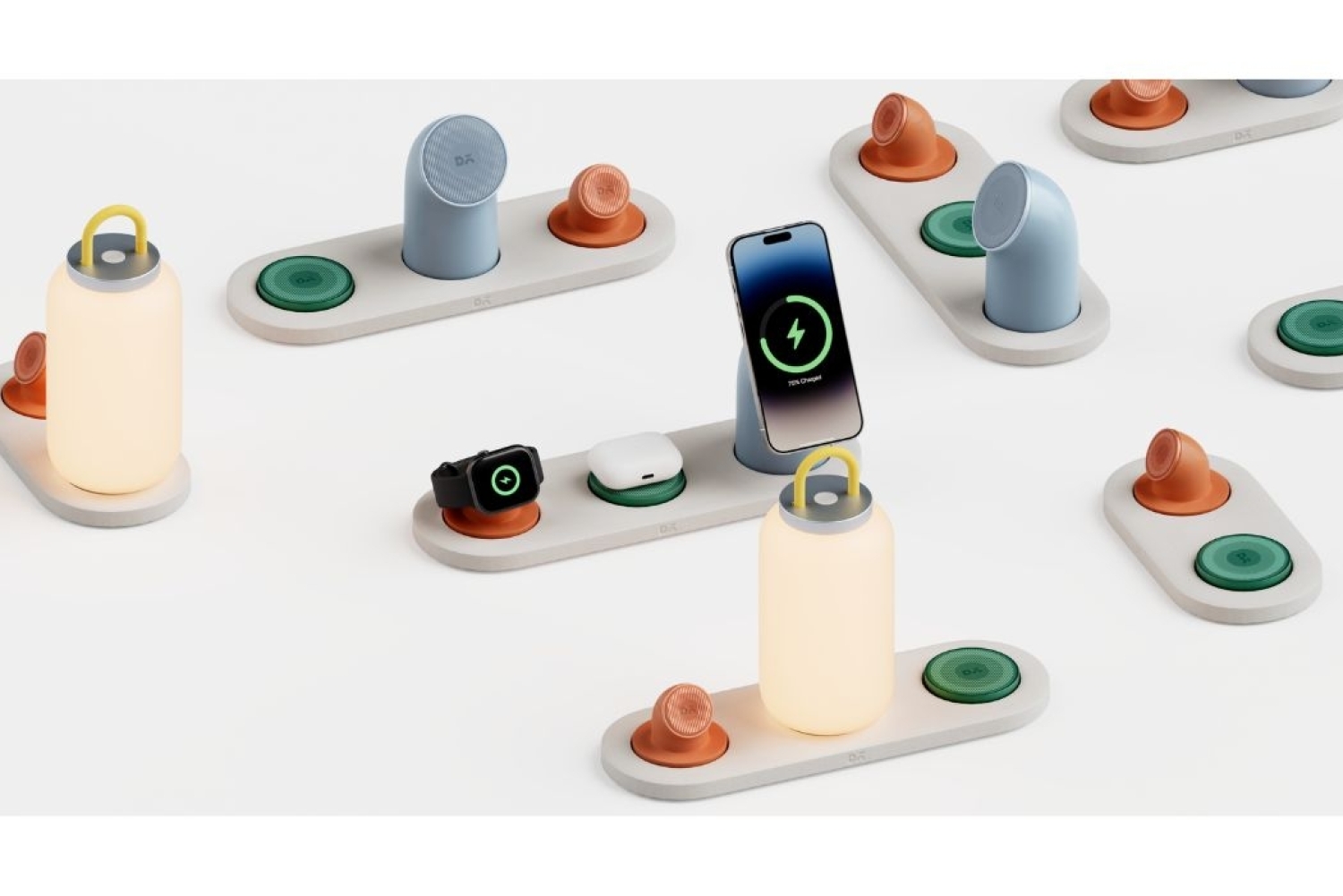
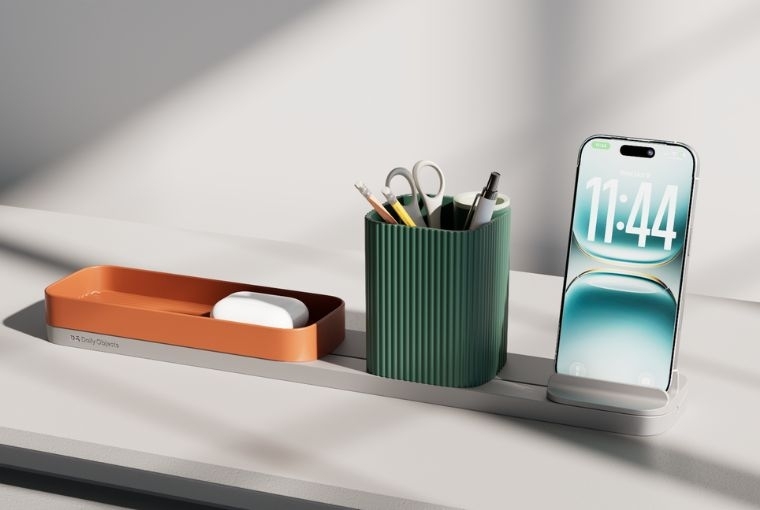
Second is our wireless charging ecosystem, Node and Loft. Neither was built as 'just another charger.' Node came from the idea that power should move with you, not the other way round. Loft takes something as boring as a power strip and turns it into an object you'd want on your desk, not hidden behind it. Technology is with us constantly now, the things that power it should feel intentional enough to be seen, with serious charging tech underneath.
Third is our bags; about 40% of our business today, and proof that utility and aesthetics don't have to compete. Every bag is built around how people actually move through their day. Premium materials, thoughtful construction, built to earn trust over time, not just to look good on day one.
What would you tell someone starting a design-led or lifestyle brand in India today, particularly about the years before anyone notices the design?
Get clarity first. What are you building, who is it for, what are you actually making and what's the one thread that ties it all together. Choose originality over everything else. Don't try to be for everyone on day one. Innovate with intent, not trends. Put your own perspective into the work, and go after a real gap, not the obvious one. The best products don't chase the loudest problems. They solve the small, overlooked ones nobody thought worth fixing.
Keep your story simple. Simple enough that people get what you stand for within moments of finding you. And be patient. Good design isn't noticed right away. It quietly becomes part of people's lives over time. Don't confuse aesthetics with design, beautiful things grab attention, but thoughtful things build relationships. Understand behaviour, not trends, and design becomes your biggest edge.
Lastly, what will the next decade look like for you and for DailyObjects?
When we started, success was simple: products sold, categories entered, milestones hit. I think about it very differently now. The real lesson of these years is that building products is really about understanding people. We've spent years studying how people live, work, travel, use technology, evolving alongside them instead of reacting to whatever's selling that quarter. We look at how lifestyles are shifting globally and ask how that will shape expectations. That's what lets us build for where the consumer is headed, not just where they are.
Looking back, our biggest achievement isn't any one product or category. It's that we've become a company with an actual design philosophy, products that fit naturally into people's lives and solve everyday problems through thoughtful design, not complexity. We've always believed good design shouldn't be exclusive. Quality and longevity shouldn't be reserved for those who can afford luxury. Design can give dignity to the objects people use every day.
That's the culture I want to build over the next decade. I want Indian consumers to expect more from what they buy, not just better features, better thinking. Design as a basic expectation, not a premium add-on. And I want people to believe an Indian brand can set a global benchmark in design without losing accessibility along the way. If DailyObjects is remembered for raising the standard of everyday design in India, for showing something designed here can stand next to the best in the world, that's the win.
Words Hansika Lohani
Date 30.7.2026
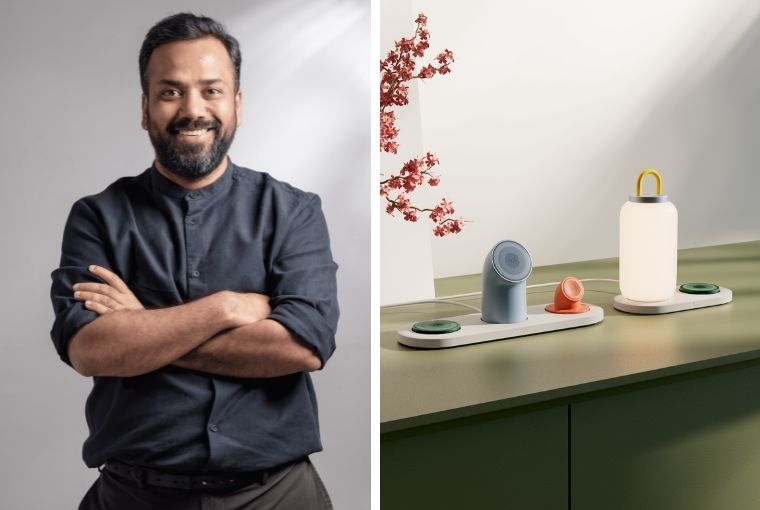
L: Pankaj Garg, Co-Founder and CEO, DailyObjects