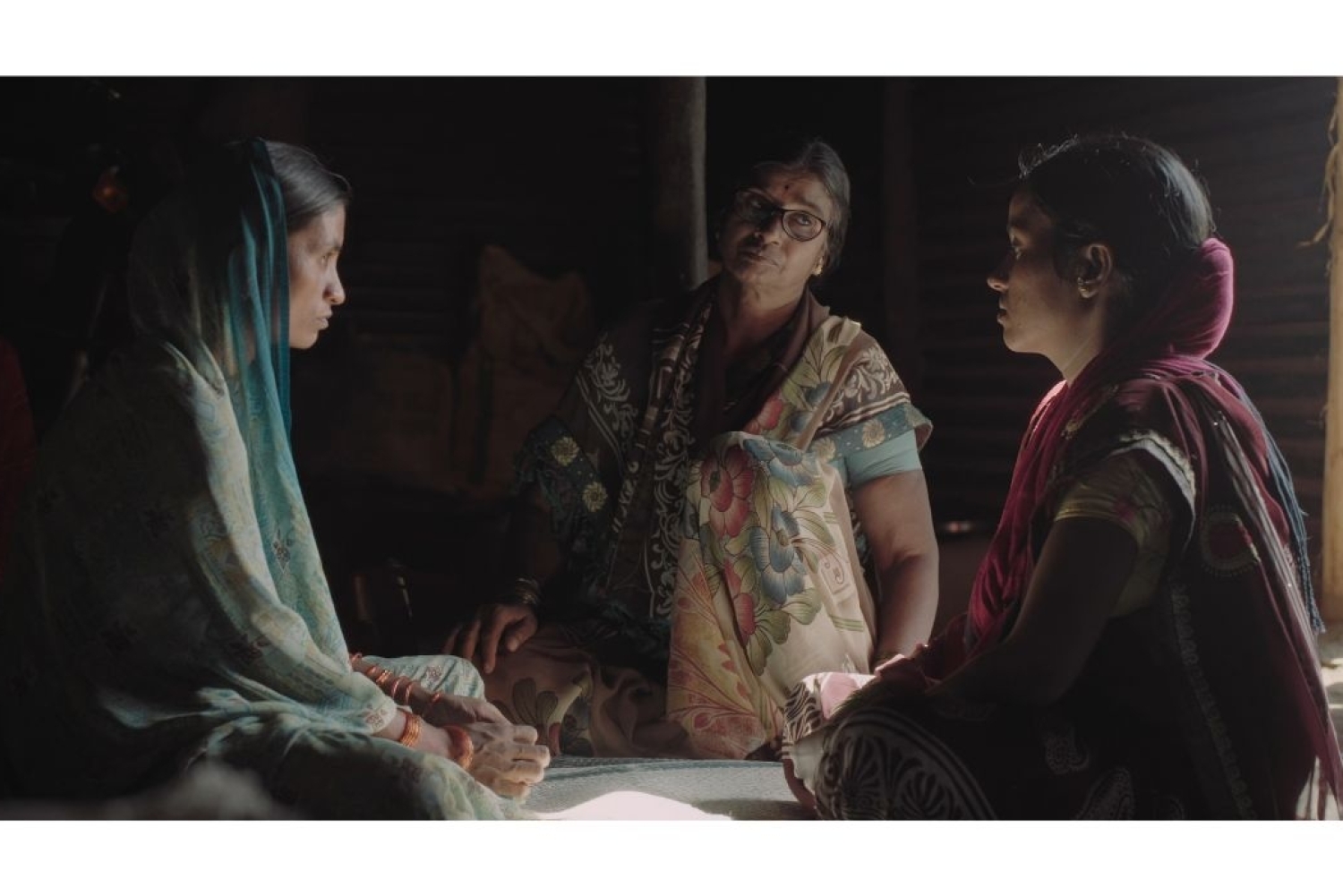
Marching in the Dark by filmmaker Kinshuk Surjan is a poignant, sensitive exploration of the lives of new widows during India’s farmer suicide crisis, highlighting the resilience and sense of community among these women. Kinshuk’s journey into the farmlands of India began with his first film, Pola, which navigated the story of farmer suicides through the eyes of a nine year old child. He was driven by a desire to move beyond the statistics and challenge the stereotypical portrayal of rural India in media. Kinshuk’s work is inspired by neorealist cinema and the era of parallel cinema, aiming to present individuals in these communities as dignified equals, rather than objects of pity. These questions and challenges have continued to shape his work, including Marching in the Dark which travelled to HotDocs in 2024. What is beautiful about the film is the process that aims to create more than just a narrative; it seeks to provide a safe space for women at different stages of their grief. Through group therapy and sharing their stories the women gain strength and heal. They make a meeting space in the film which was found after discussions with widowed women farmers, psychologist Dr Potdar and farmer women's NGO Manaswini. Eventually, the group evolves into a friendship circle that questions traditional social and patriarchal norms.
Kinshuk, shares insights into his childhood, his creative influences and the making of Marching in the Dark, offering a glimpse into the mind of a filmmaker driven by passion and purpose.
Marching in the Dark is being screened in Mumbai today as part of MAMI Independent screening program.
Can you tell us a little about your beginnings?
I grew up in a family of journalists on one side and farmers on the other. My parents ensured that growing up, visiting book fairs and bookstores felt like the ultimate reward. Since there weren’t many kids to play with in the neighbourhood, I found an escape from studies by diving into Hindi literature. I grew up in Bhopal, a city with serene lakes that invite introspection. Though extremely shy and introverted, I found solace in drawing and painting, which eventually led me to pursue graphic design and film. In 10th grade, I stopped drawing and shifted my focus from the dream of becoming an artist to preparing for engineering. Fortunately, my father, a freethinker who, despite coming from a middle-class background and facing struggles, saw me sinking into anxiety and insomnia during IIT JEE preparation, encouraged me to reflect on how I wanted to live my life.
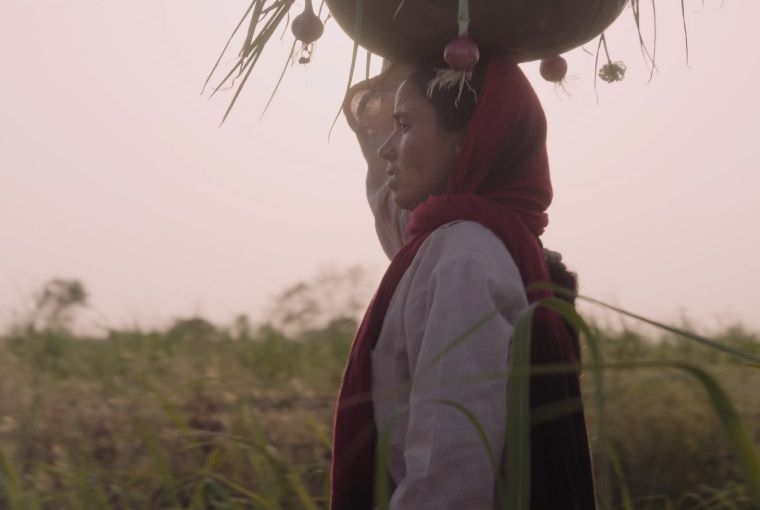
Pola and Marching in the Dark find their stories in the farmlands of India; what took you there initially? How did your first film help in making your second film?
Pola was my first attempt to navigate the story of farmer suicides in a personal way, from the eyes of a 9 nine year old child, beyond the statistics to which we have become numb. The thoughts that inspired Pola were: Indian media, especially TV channels (news and daily soap) and Bollywood, over the last twenty five years, continues to portray rural India as fodder for entertainment, either as lawless lands or by using sympathy as its spearhead. This evokes the image of a farmer as pure but naive, miserable and poor. An urban saviour is always needed to reform or save ‘them’, as they are not part of ‘us’. The farmer’s capacity as an innovator, artist, poet, social leader, organiser or even merely as an equal, resilient and dignified individual is missing from the common perception. Their sense of autonomy has not been taken into account. Isn’t this kind of representation responsible for desensitisation? So, how can one avoid creating a ‘social’ film that automatically underlines that pity will be sought from the viewer but instead present a beautiful story of individuals like us, whose circumstances are related to a larger social issue? How to make a film 'with people’ and not 'on them’? When we look at neorealist cinema, Satyajit Ray’s work or the era of parallel cinema, these questions were intensely wrestled with, but after the 90s, they seemingly disappeared. And these questions have troubled me in Marching in the Dark as well. Maybe I succeeded in finding answers, maybe I failed.
What draws you to the documentary style of storytelling? Was there a particular documentary that influenced or inspired you?
Creating documentaries is challenging because I fear uncertainty over long periods. However, I love people and their life stories, so much more beautiful and nuanced than I can imagine in a script, that perhaps no other actor can play them but only them as who they are. They need time and trust to do so. But I truly appreciate both fiction and documentary. However, the relationships formed during documentary filmmaking are much deeper and rewarding due to the extended time spent with the people we work with and becoming friends and family members in the process. To Be and to Have, by Nicolas Philibert; I love how kindness, tenderness and innocence alone can make a great film without requiring a complex plot.
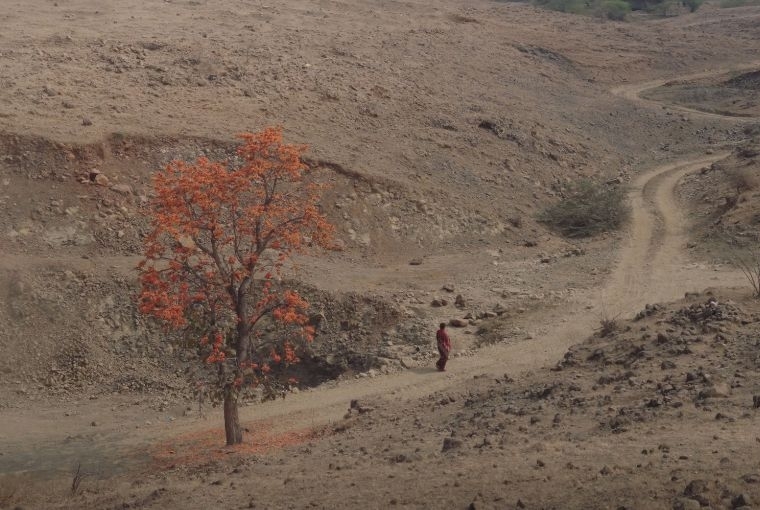
How did you acquaint yourself with Sanjeevani, the protagonist in Marching in the Dark? Where did you find her?
Sanjeevani didn’t speak to us much for the first year. But in the very first meeting that we see in the film, she said, “When we meet others in grief, our own becomes insignificant” and the film gained its direction from her thoughts. When I travelled across Maharashtra’s Beed district, one of the hardest-hit areas and met many grieving families, I met recently widowed women, their tears exhausted, their grief hanging in indefinite silence, that being a passer-by felt criminal, the thought of filming even more cruel. Conversely, while searching for a glimmer of hope, I observed that women farmers experienced fewer suicides than men.
Through Manaswini, the women’s wing of grassroots NGO Manavlok, I met resilient women like Parimala Tai, Sanjeevani Bhure, Radha Chopane and Vaishali Yede, (who later became protagonists in the film), who take care of their families, are sometimes responsible for repaying their husbands' loans after their suicides and must rebuild their lives from scratch while dealing with grief and social ostracization—some through radical means, others more quietly, finding ways within the system to empower themselves. But what stood out, even more beautifully, was their conscientiousness in supporting other women in similar circumstances. They often expressed that ‘only those who have experienced similar pain can truly understand’ and thereby offer genuine empathy and support. And so, we wondered: Could there be a space for fostering such friendships? Discussions with widowed women farmers, psychologist Dr Potdar and farmer women's NGO Manaswini lead to a meeting space.
How did you get so familiar with Sanjeevani and other people from the village?
During the process of making this film over five years, I lived in Ambejogai for three years (excluding the pandemic) until the editing commenced. The bond I shared, with families and protagonists, transcended the filmmaker-subject relationship. From medical checkups and marriage arrangements to waiting days and nights for the birth of a calf, rushing to a distant hospital during a daughter’s labour, dealing with sudden deaths and funerals and rebuilding homes destroyed by rains by hand - brick by brick, we have shared it all. During the festival of Rakhi in 2022, Sanjeevani and I affectionately pronounced each other as brother-sister. From developing the initial ideas and documenting her life story to editing and subtitling, Sanjeevani has been a constant collaborator and guiding compass, providing both moral and ethical insight, not just as a protagonist.
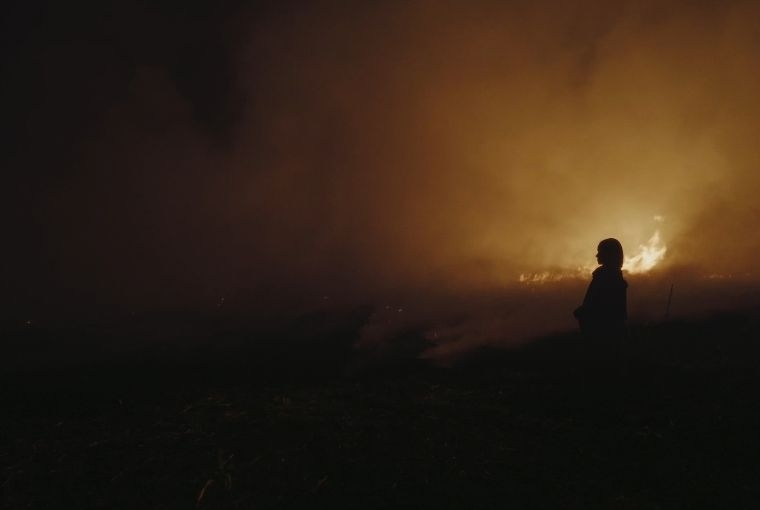
Sanjeevani evolves through the film. From being engulfed with sadness to finding work, moving forward in life but still isn’t completely open in her thinking when asked about marrying again...
Change is a gradual process and we only captured a few years of her life overcoming grief, at least partially. Sanjeevani loved her husband and has no plans to get remarried even if she were allowed; I don’t believe it’s due to social pressure. I believe Sanjeevani is a freethinker but also a practical person, not an absolute rebel but someone who finds ways quietly within the system.
Can you talk about the challenges you faced?
Every day of this remarkable journey has been a challenging uphill battle. The first challenge was finding hope in such a serious topic as suicides, especially when initial feedback suggested that 'nobody wants to see more misery’. I spent a year feeling stuck and going in circles. I faced obstacles such as dealing with the stigma surrounding suicide, not being able to speak or understand Marathi and gaining the trust of younger widows as a man in an orthodox society. Additionally, it was challenging to earn the trust of the NGO and Dr Potdar initially, though they wholeheartedly became part of the process later and demonstrated that my interest was more than just making a film and extended to long-term commitment. On top of that, the COVID-19 pandemic disrupted the entire setup for two years. I was continuously working to establish a suicide surveillance network to track where suicides occurred, while also supporting the individuals involved through their personal and financial challenges, irrespective of whether they participated for one day or five years. I also had to cope with my grief of losing my aunt and grandfather while witnessing constant suicides around me and enduring periods of depression.
Words Hansika Lohani
Date 17.6.2026
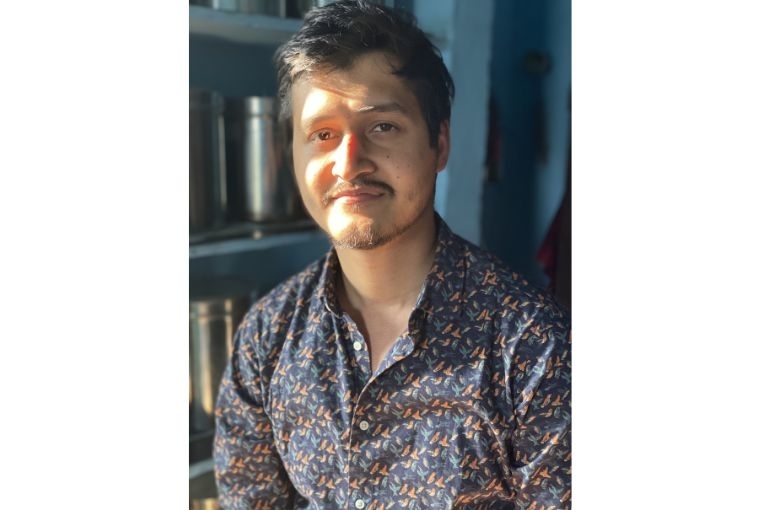
Director, Kinshuk Surjan. Photo by Urs Westermann