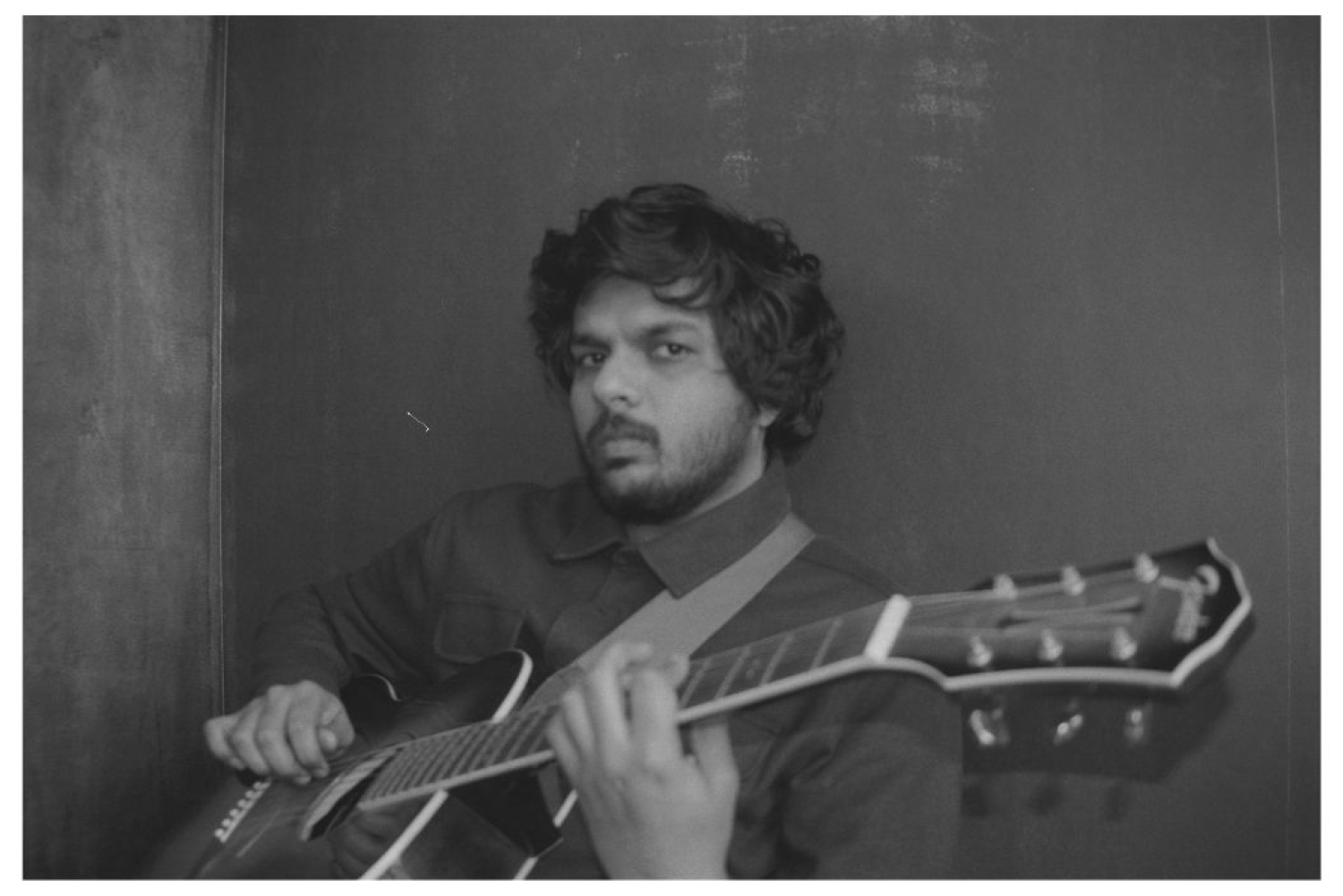
‘To try and sit with the discomfort till I make peace with it.’ The interiors of music have, for fourteen years, helped Shashwat Bulusu come to terms with his own interiority. Shashwat has been making music independently since 2011 besides songwriting, production and visual work and is now releasing his sophomore album Pinocchio on 21st August with a spread of shoegaze, art rock, electronica and indie folk.
The good old childhood story of Pinocchio eventually became a much more personal way of thinking about lying, shame, survival, grief and the urge to feel like a real, whole person. Shashwat looks at music as a response, something you make and then learn to let go of. Written across more than a decade, Pinocchio marks a new chapter in a practice that has always made room for experimentation, vulnerability and the occasional ‘left turn’.
Ahead of the release, I spoke with Shashwat about the stories we tell ourselves, making art without taking it too seriously and what he has learned by staying with a record for so long.
What first drew you towards making music?
I’ve been terrible at performing and covering other artists’ works. Plus, making my own music gave me a sense of ownership and validation in my mind. I started a formal training in Tabla when I was 3 and eventually gave up on it after finishing it because I couldn’t deal with the rigidity. Just jumping ship to something with almost no rules made it more welcoming. It’s been 14 years since I started making music and I’m not complaining.
How do you think about experimentation, and what tells you when you've found the right shape for a song?
I like the idea of building a specific vocabulary for a specific body of work. It really helps me build the world that the album sits in. Songwriting and production for me are muscles that I need to train so I write something every day, be it essays or songs. I’m okay with making something that sounds horrible and then just work it and make it malleable enough to find a song in there somewhere. Experimentation enables that through making random left turns with what would seem like absurd decisions. I tend to decide that a song is done when I either get too bored of it.. or too excited.
Storytelling sits at the heart of your work. What kinds of stories or questions do you find yourself returning to again and again?
I love to write stories that are not neatly wrapped up and leave me feeling unsettled and uncomfortable at the end. The idea is to try and sit with the discomfort till I make peace with it. I’ve been exploring stories about my shame, survival and just lying. I think the larger umbrella is basically stories that explore what it means to be human and the flaws of living.
With Pinocchio, what did you find yourself moving towards, or deliberately moving away from?
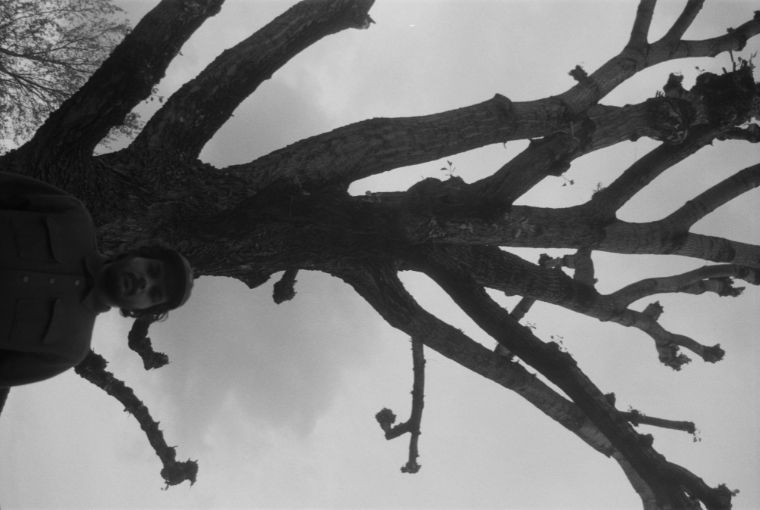
Pinocchio covers a large passage of time [between 2014 to 2025] in my writing. Pinocchio essentially became an exploration about themes of lying as a survival mechanism and a nature of habit. It became a larger look at all the different situations we lie in. With time I started putting my own story into the songs and built my own retelling of the story of Pinocchio. I actively steered clear of the actual beats of the original story and just borrowed the characters. That way I could actually envision it as my own work.
Pinocchio was one story that somehow struck a chord with me when I was young. Then Steven Spielberg and Stanley Kubrick’s Artificial Intelligence deepened that. I felt that we focussed on the lying part of the story and forgot the fact the story is essentially about a puppet that wants to be a real boy. The story is about what it means to be human. There’s a thread of grief in the story that is often overlooked. I latched onto it and drew a parallel with my own experiences with S*xual Abuse as a kid and how my family and close ones walked me through steps of feeling human again.
You've described yourself as someone who doesn't like to over-romanticise making art. What keeps you grounded in that decision?
It’s just art. Creating art doesn’t/ shouldn’t give us a special status in society because we’re different. I feel the part of me that romanticised art was very driven by narcissism. Therapy helps me stay grounded (at least that’s what I think), and the fact that art is just a response mechanism makes it easy. I feel it’s really important to be able to detach and move on from your work. Holding on makes you want to really punch yourself in the face.
You've been making music since 2011, and Pinocchio is your second full-length album. Looking back, what has changed the most about your approach?
I think I’ve found more confidence in making admissions in my music that are more honest to who I am and don’t rely on social-media friendly confessions. I’m not trying to present a version of me and rather actually admitting the flaws that I have.
You've been part of the independent music scene for many years now. What has surprised you most about its evolution, and where do you see yourself within it today?
The fact that I’m willing to persist, knowing the kind of person I am, is what surprises me. I’ve contemplated quitting so many times but something keeps me unsettled enough to want to continue [also privilege]. The scene has expanded; it has become more accessible but somehow it still rewards privilege. I feel like there’s a lot of room for a lot of artists who deserve this space more than us.
When listeners finish Pinocchio, what conversation do you hope they're left having?
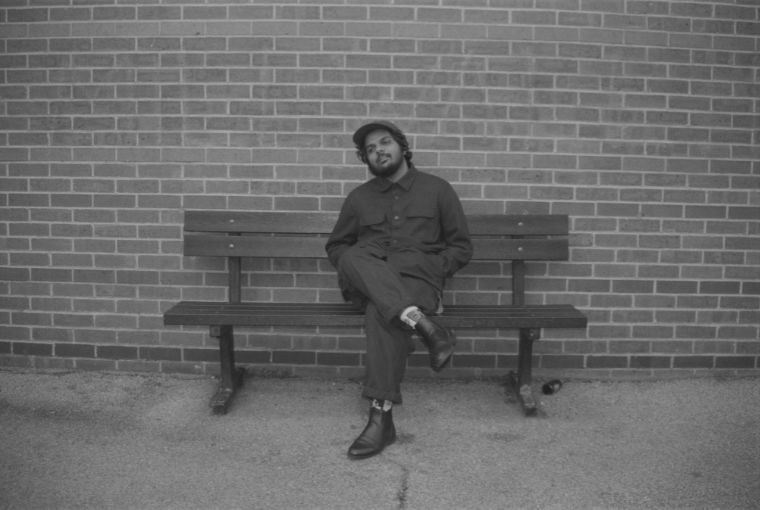
That in order to process any grief it’s important to learn to sit with it. That child sexual abuse doesn’t just traumatise but also actively hampers the child’s development and an entire family is needed to make you feel human.
Lastly, what’s next for you?
I’m hoping that I can take this on tour soon and get people to actually engage with the world of Pinocchio. I’m in the process of finishing album number 3. I’m half way there. So fingers-crossed.
Words Nidhi Soni
Photography Devanshi Aher
Date 10.8.2026