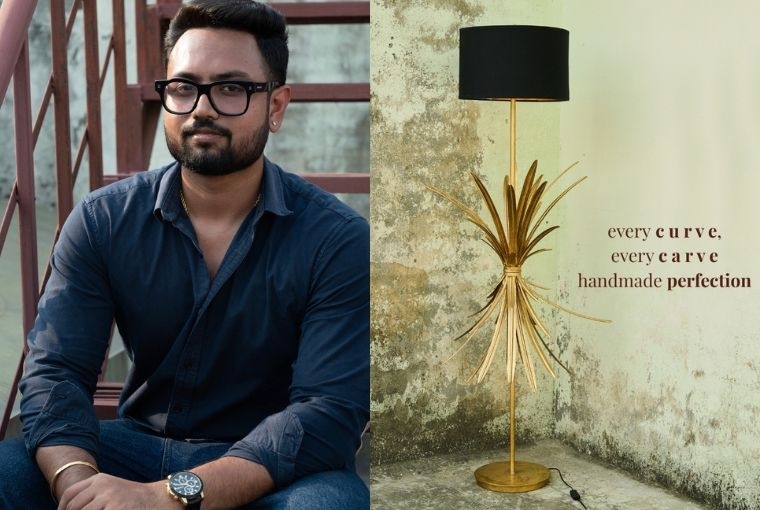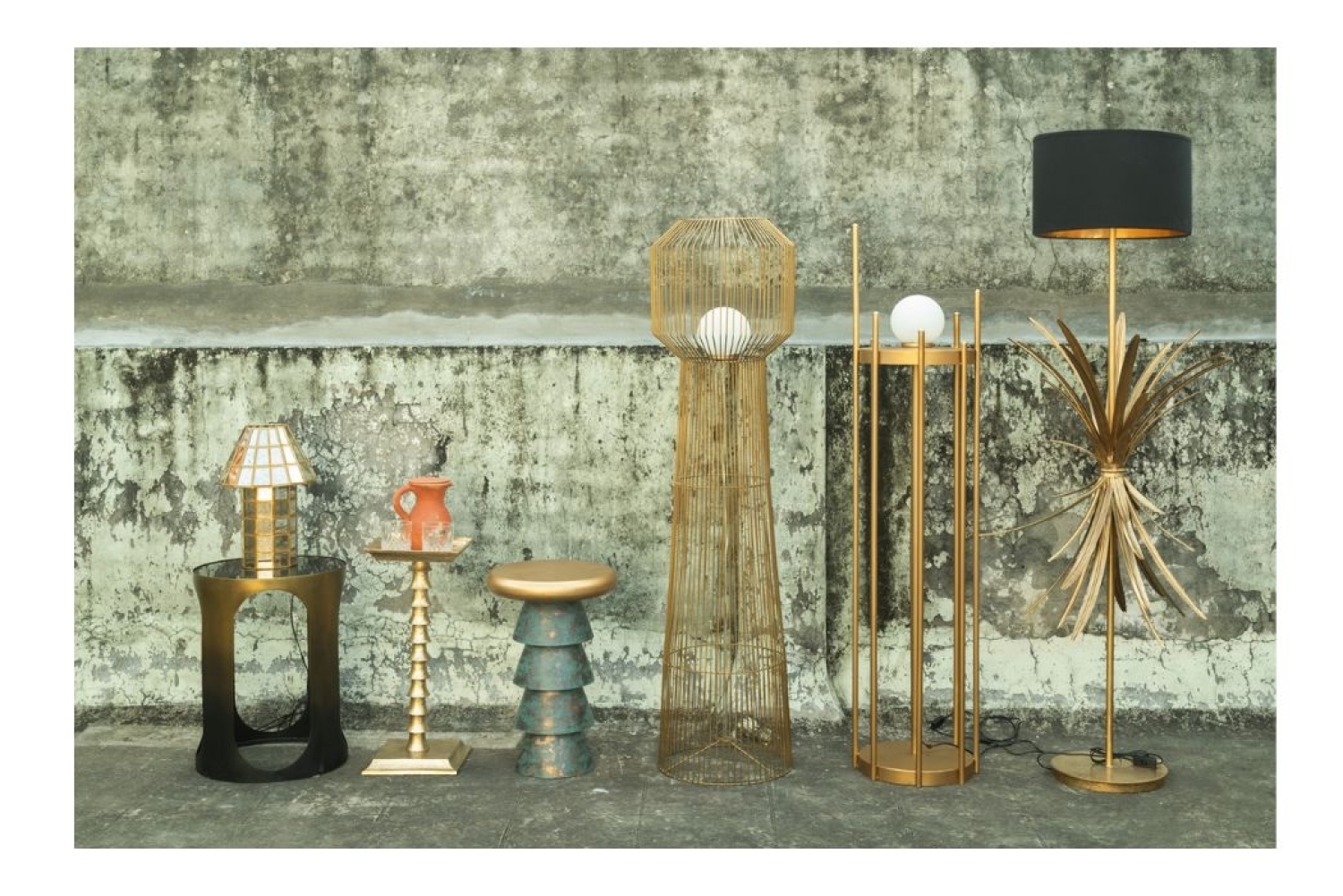
Rooted in the craft city of Moradabad, Shivansh Rastogi grew up surrounded by workshops, raw materials, and the quiet labour of artisans whose work travelled the world while their names did not. After studying international business and living and travelling across Asia and Europe, he returned with a sharper awareness of the disconnect between India’s extraordinary craft culture and the mass-produced anonymity filling most homes. 3200 BC was born out of that discomfort and a refusal to build yet another trend-led, Pinterest-friendly brand. Instead, Shivansh has created a universe of objects that value character over polish and authorship over approval. Drawing from patinated metals, time-worn surfaces and a deep respect for the human hand, 3200 BC champions material and longevity. Founder and creative brainchild, Shivansh Rastogi spoke to us about creating the brand from ground up and his plans ahead.
What sparked the idea to start 3200 BC?
There wasn’t one dramatic moment, but there was a growing discomfort I couldn’t ignore. I grew up seeing Indian craft being made at an extraordinary level, only for most of it to be exported and celebrated elsewhere. At the same time, Indian homes were being filled with cheap, copy-paste objects that lacked depth, character, or confidence. That disconnect bothered me deeply. What also became clear was how safe the design landscape had become. Many brands were building products that were visually pleasant but interchangeable, designed to work on Pinterest rather than stand for something. There was very little individuality, very little authorship. I didn’t want to build another brand that blended in quietly.
3200 BC came from that refusal. I wanted to create a universe of objects that was opinionated, rooted, and unapologetic. A brand that values character over polish, and individuality over approval. It’s my way of encouraging people to live with objects that reflect who they are, not what’s trending. The name 3200 BC felt instinctive. It marks the period when humans first moved beyond survival and began shaping objects with intent, meaning, and expression. Long before design was commercial, it was human. That idea sits at the heart of everything we do.
How would you describe the ethos of 3200bc?
For me, the ethos of 3200 BC begins far beyond aesthetics or luxury. It starts with responsibility. Craft without commerce is just a hobby, so one of our first non-negotiables is how we treat the people who make our work. We pay our artisans significantly above market rates, even when it affects margins. In an age where machines and AI are replacing skill, this is the only way craft survives as a profession, not a novelty.
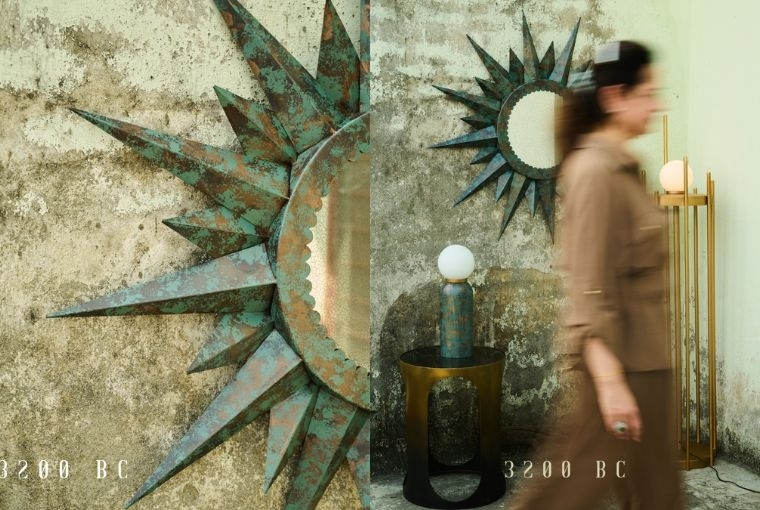
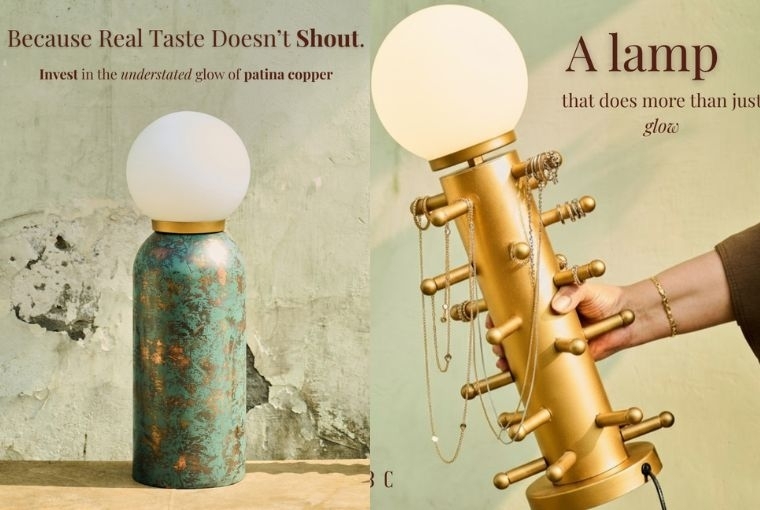
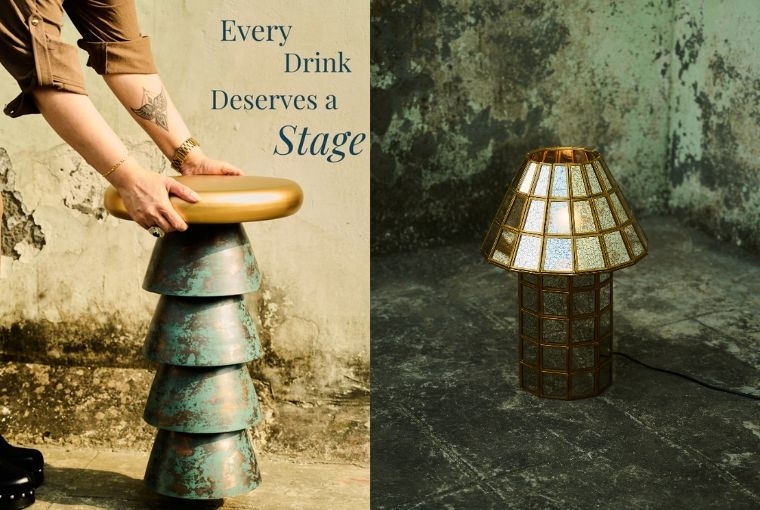
Another non-negotiable is time. We actively reject anything that feels trend-driven or designed for instant attention. If a form or finish feels exciting only for the moment, it doesn’t belong with us. Everything we create is meant to feel timeless, not current. That belief governs our choices in form, proportion, and restraint. Material honesty is equally important. We don’t disguise materials or try to pass them off as something they’re not. Our patina finishes are not decorative effects; they’re surface treatments developed through process, heat, and handwork. They’re applied to materials like brass, iron, and aluminium to create depth and character, not to imitate age cheaply.
Finally, we think in terms of longevity. I want the objects we make to be passed down, not replaced. I imagine a 3200 BC piece being handed from one generation to the next, carrying memory along with function. That intention influences every decision we make, from construction to collaboration. Those values shape everything we do. They slow us down, make choices harder, and sometimes cost us sales, but they give the brand its spine.
What are your plans for the future?
For me, building forward doesn’t mean moving faster or wider. It means building with more clarity. The future of 3200 BC lies in education as much as creation. Educating people to understand materials, to recognise craft, and to question mass-produced mediocrity. More importantly, to feel confident in choosing objects that reflect who they are, not what’s circulating online.
Ten or fifteen years from now, I want 3200 BC to exist almost instinctively in the world of craft. Not as a brand that followed trends, but as one that quietly gave artisans, skills, and processes a contemporary platform. A brand that helped shift how people perceive value, away from volume and toward intention.
I do see 3200 BC evolving into a full lifestyle universe, but never through forced expansion. Categories aren’t extensions for us; they’re natural outcomes of the same philosophy. Lighting led to candles. Candles led to ritual. Objects led to atmosphere. Everything grows from the same core belief in restraint, material honesty, and presence. I’m also interested in the idea of inhabiting a home more intentionally. Not filling spaces, but shaping them. Thinking about how light falls in the evening, how objects are used daily, how materials age over time. We’re not in a rush to do everything. Building forward, for us, is about letting the brand deepen before it spreads.
Words Hansika Lohani
Date 20.1.2026