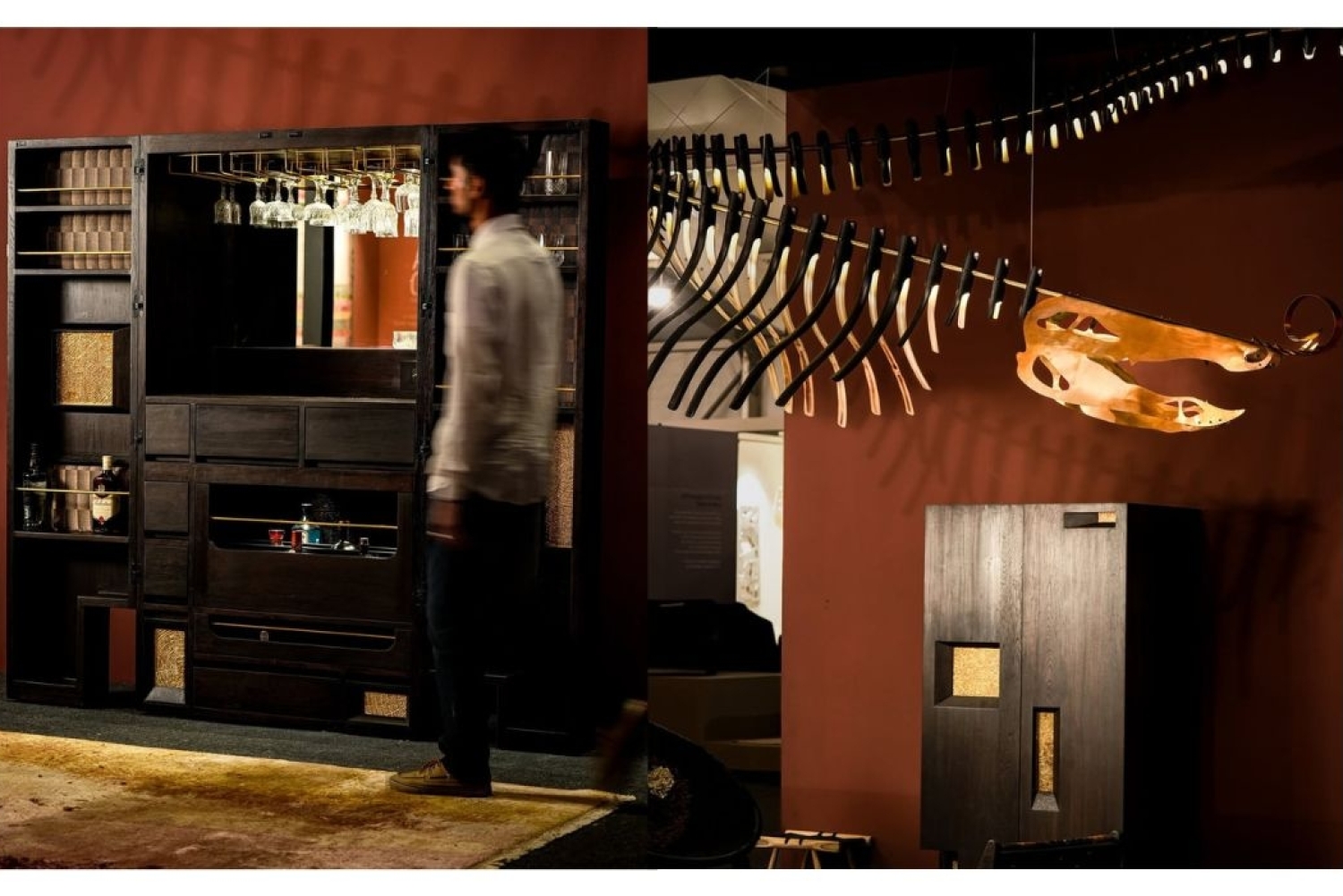
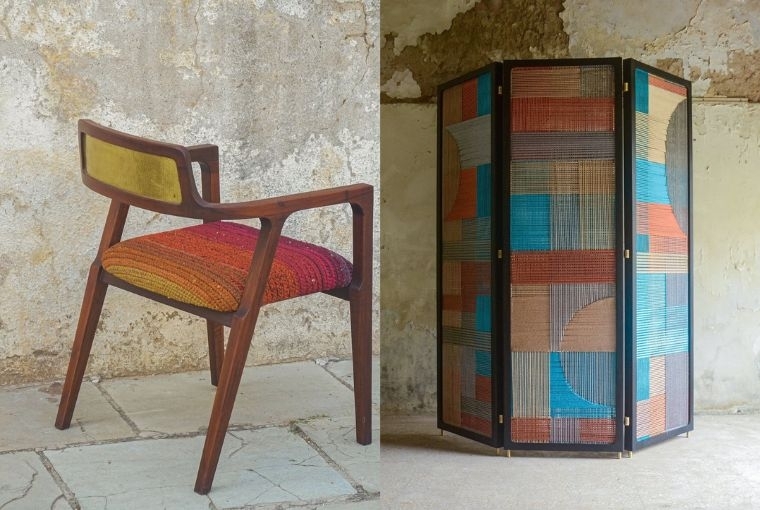
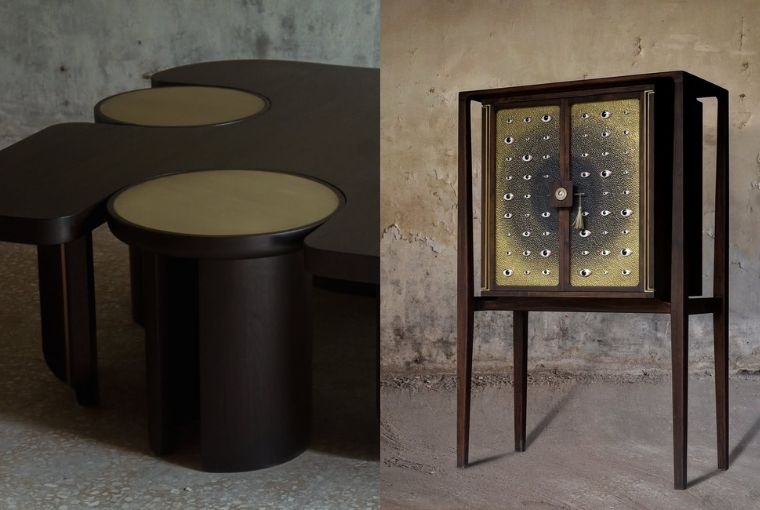
Rhizome, a multidisciplinary, sustainable design studio, started from a simple but firm shift in perspective. Sustainability here is not reduced to environmental metrics or data points, but understood as something shaped by social, economic and cultural realities. That thinking carries into the products themselves. Early work with bamboo has expanded into brass, reclaimed wood and textiles, often developed through close collaborations with artisans. Some pieces are bespoke, others emerge from ongoing material exploration.
The studio now leans into artisanal luxury, where craft and experimentation come together to create objects that feel thoughtful and ambitious. We’re in conversation with Rebecca Reubens, the founder, on their journey, ethos and out-of-box thinking.
Tell me a little about the roots of Rhizome, and the gap between the global north and south that Rhizome addresses?
Most sustainability frameworks and approaches in the global north focus of the environmental aspect. In the global north, addressing the environment is a luxury because we still haven't figured out the social aspects. Rhizome works to look beyond the ecological aspect to also look at the social, economic and cultural aspects and view sustainability as a complex output of a complex system rather than just measuring emissions.
What does sustainability mean to you beyond metrics and data? And how has your thinking on sustainability evolved over the years?
A lot of sustainability approaches focus on metrics and data, and that is very important. However, the numbers indicate that metrics and plans the metrics are based on are bleak. This calls for out of the box thinking, for creativity and innovation and making a bigger impact with smaller resources. It calls for people to come together and change the world.
Could you tell me a little about your material palette and your collaboration with artisans?
A lot of our initial work centered around bamboo. Over the past couple of years we have included materials like brass, reclaimed wood and textiles into our palette. As always, our focus remains working closely with craft to achieve sustainability.
What does a good day in the studio look like for you?
Bespoke commissions, artisan collaborations and no social media.
Looking back, what were the defining moments in Rhizome’s journey?
I think the most recent defining moment was when we pivoted from a brand focussed on sustainability to a brand focussed on slow artisanal luxury, where sustainability is part of our core DNA. The opening up to other materials is also another pivotal moment.
After so many years, what keeps you motivated to continue in this space after 15+ years?
The opportunity to design, and to change the world.
Words Neeraja Srinivasan
Date 21.4.2026