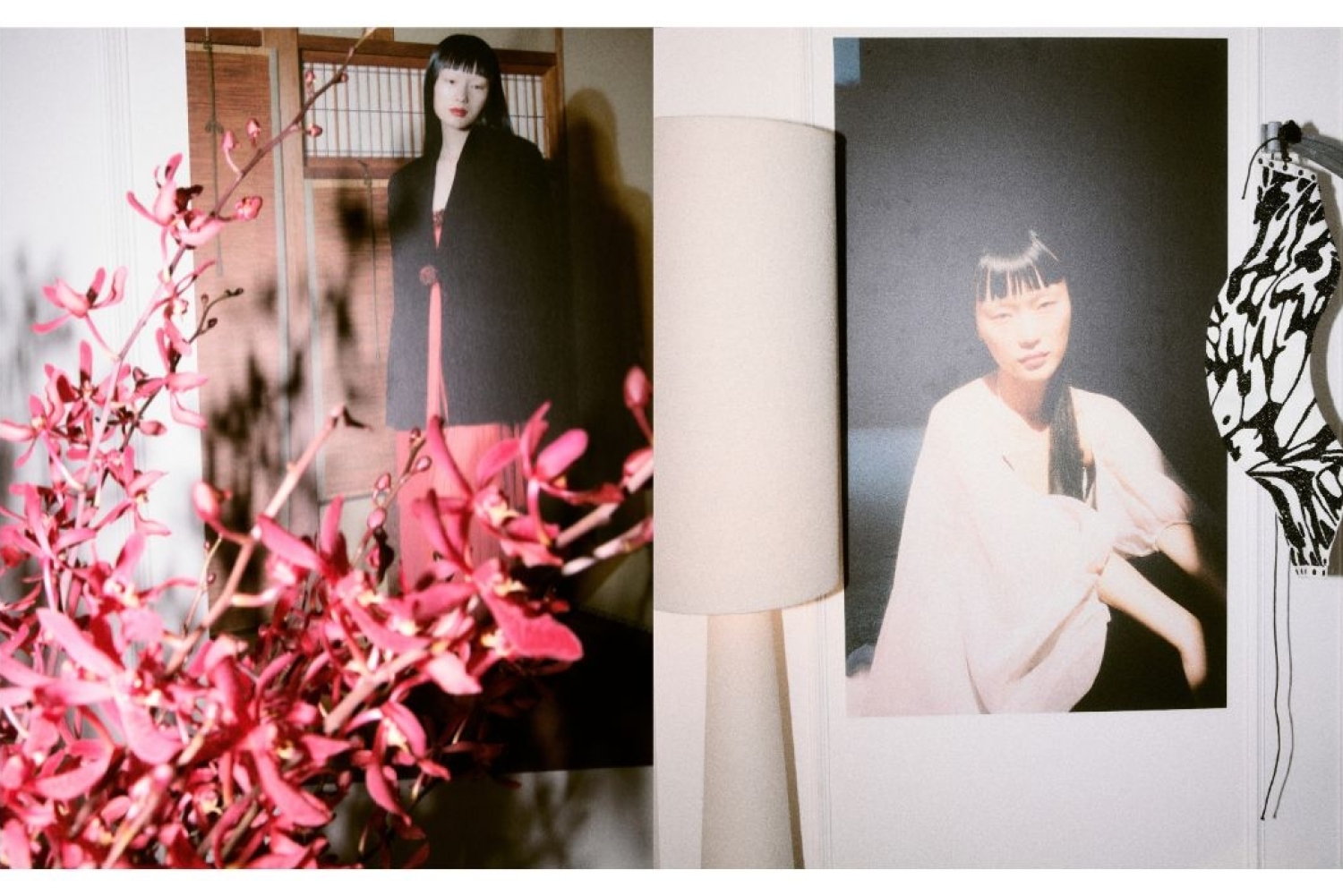
A collection usually enters the world with its references edited out. The books, objects and private preoccupations that shaped it recede, leaving the clothes to speak for themselves. For Biophilia, Shweta Kapur brought that surrounding world into view. Opening her home for Apartment-88, the founder of 431-88 placed the collection among her furniture, books and belongings, inviting people to encounter the clothes within the sensibility that produced them. ‘There's something vulnerable about it, but that's the point,’ she says. ‘It's more honest than a showroom.’
The gesture follows a three-year pause from launches, during which Shweta continued working while reconsidering the structures sustaining her practice. ‘Without the right structure in place, a beautiful collection can strain the business that made it.’ More recently she has consciously chosen to slow down. Even her last showcase made room for that refusal. Pause (And Reflect) invited viewers to experience fashion and art through stillness, with no new collection to announce.
Biophilia emerges from this interval. Its draping, wrapping and gathering draw on metamorphosis, with Shweta’s attention resting on the cocoon, the waiting, and the unresolved stages of becoming. Apartment-88 gives that enquiry its own setting. Conceived to travel across cities and spaces, it begins at home, where the distinction between a designer’s life and her work becomes porous. Think of it as a cultural encounter, and the clothes acquire depth from everything around them. We spoke to Shweta about the intimacy of opening her world to others.
Let’s start with the three-year pause. You’ve spoken about not wanting to launch things “for the sake of a launch.” What made Biophilia feel like the right collection to come back with, and what did it need to say?
We didn't stop working, but we did feel the need to slow down and focus on the foundation of the business. Without the right structure in place, a beautiful collection can strain the business that made it. Biophilia came from thinking about change - not just the final form, but everything that happens before you get there. The butterfly was part of that, but I was more interested in the cocoon, the waiting, and the process of becoming.
You mentioned the pause was about stepping away from constant social attention and the fear of not being relevant. Now Biophilia is being previewed through a very visible, staged format at Apartment-88.
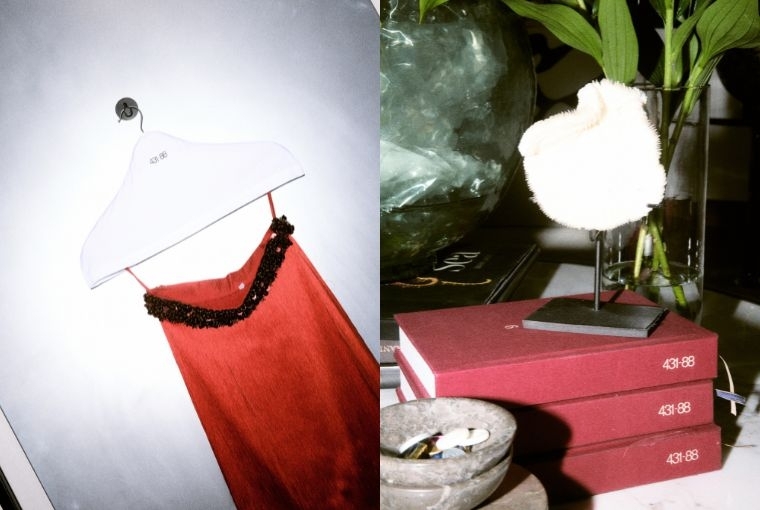
Apartment-88 was created because I wanted people to engage with the clothes differently - not just look at them in a retail environment, but spend time with them, move around, see them alongside the things that inspire them, and have conversations around them. I also like that Apartment-88 isn't tied to one space. The idea is to take it to different cities and let each setting bring something of its own to the experience. Starting at home makes that feel more natural. People can come in, move through the space, discover the collection, and interact with it in their own way. I'm hoping it feels more like people coming together and experiencing something than a formal launch.
Where did Biophilia actually begin? Was it always going to become a collection, or did it start as something else entirely, an image, a material, a mood?
It definitely didn't start as a fully formed collection. It was more a feeling around change and movement, and that slowly started finding its way into the clothes. I kept coming back to the butterfly, but not really as an image. I was interested in the stages around it - the cocoon, the unfolding, what happens when one form becomes another. Then we started translating that through draping, wrapping, gathering, and proportion. It felt fitting because I was going through a slower kind of change as well.
Apartment-88 is took over your actual home for this edition: the books, furniture, objects that make you. What was your idea behind doing that?
I think Apartment-88 is really an extension of how I want 431-88 to exist beyond the clothes. For me, a collection is always connected to the things around it - the spaces, objects, books, and people that influence how I think. Apartment-88 gives those references a place within the experience, so you're not only seeing the clothes in isolation - you're seeing a little more of where they come from. And I like that it doesn't have to stay in one place. It can move to different cities and spaces, and each one can add something of its own to the way people experience 431-88. There's something vulnerable about it, but that's the point. It's more honest than a showroom. It's really about bringing the community to my world and inviting them into my home. I wanted the experience to be as honest and authentic as possible.
Fashion weeks, new collections, retail spaces - the fashion world is constantly moving, never stopping. In all this chaos, how do you map your success?
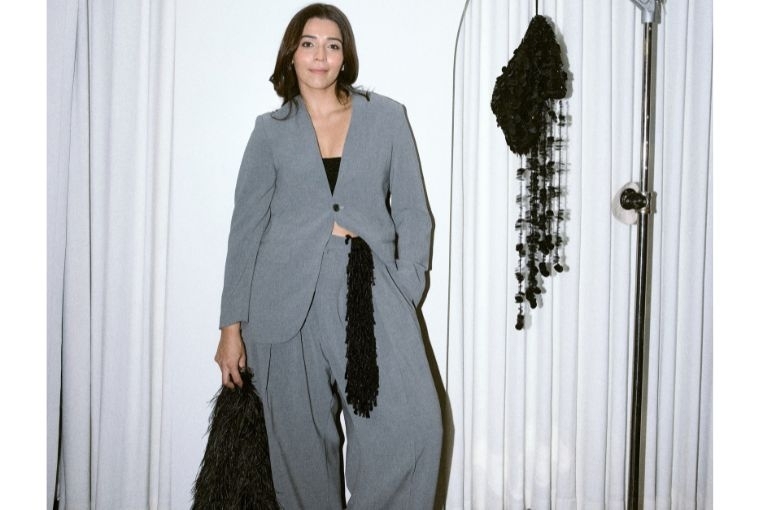
I don't think about it as much in terms of attention anymore. For me, it's much simpler. If someone buys something and really wears it, comes back to it, wears it differently, or keeps it for years, that means success. I would much rather make a piece that becomes part of someone's wardrobe than something that has a big moment and then disappears.
Can you tell us five wardrobe staples every woman should have?
1. The little black sari
2. One true red: accessory, shoe, bag something that pops a neutral outfit
3. A well fitted black blazer
4. The 431-88 lungi skirt
5. A crisp white shirt
Words Hansika Lohani
Date 1.10.2026