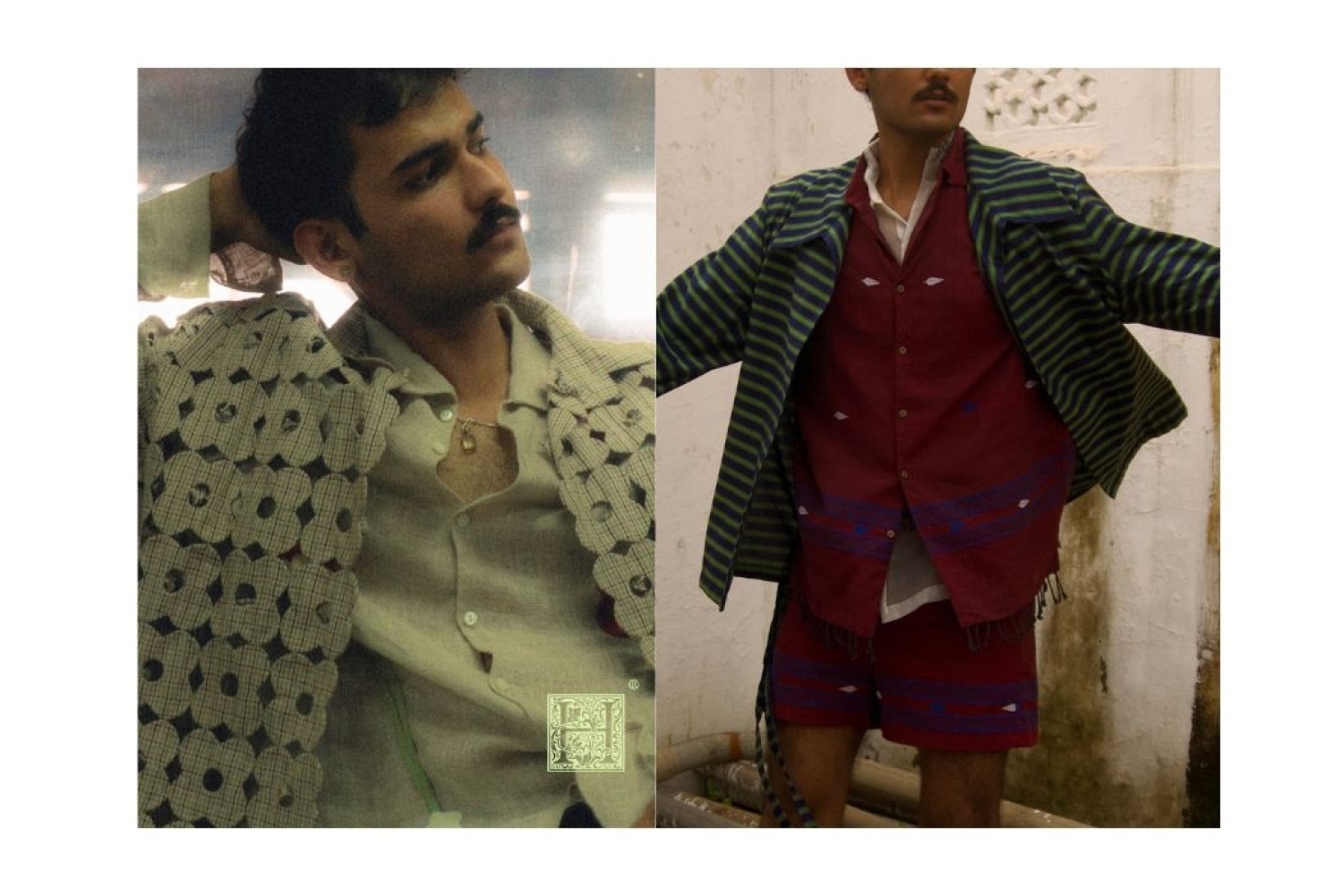
As the name of the label suggests, the ‘helm’ of the narrative is where Anirudh Dhiman wants to be. His menswear label Helm, brings together a love for poetry, archival tailoring and historical dress, with garments that take their cues from the construction of clothing from another time. An Agra born, internet-raised Gen Z, historical garments dictate the pattern making of clothes around here. Let’s take for example, a garment named the Shakespeare Shirt: it must genuinely be engineered from the structural cut of Renaissance attire, not just given a name that sounds themed. ‘It’s historical construction reinterpreted into a precise, tactile silhouette for the modern-day Mr. Darcy. Effortless, reliable to wear, yet full of character.’ Poetry, too, finds its way into this process, by treating the construction of a garment much like the writing of a poem, where seams, repetitions and motifs come together to create a language of their own.
A Gen Z Perspective for Arts & Culture
Helm is my love for poetry, marrying archival tailoring methodologies, using natural tactile materials that come alive on the body. Fashion can have too many rigid outdated standards. Lee McQueen got me into fashion, and he broke every rule there is. It’s just that his goals were different. And as an Agra born, internet-raised Gen Z who is a historical fantasy lover: mine are different. Bringing a Gen Z perspective into arts and culture isn't about chasing trends; it’s about being at the helm of the narrative. It’s about leveraging digital-native archival curation, challenging accepted marketing gimmicks, and wiggling your way into rooms with unexpected answers.
Creative Process, Materials & Silhouettes
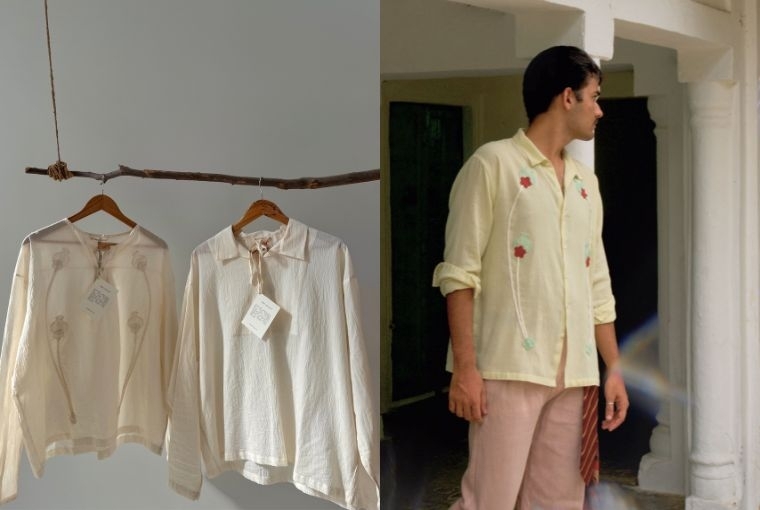
I have a technical mind, but I use precision to break rules rather than follow them. Having co-designed a nationwide retail brand previously, I understand the commercial destiny of designing fashion, but I refuse to let efficiency erode beauty. It’s hard to pinpoint what the process is, sometimes it’s the fabric that speaks to me. Sometimes I am anchoring a reference from a film into a silhouette.
I try to avoid as much plastic as I can. Outside of polyester spun threads, which we use for stitching the garments as a technical standard for long-term seam durability, every button, interfacing, and fabric comes from the earth. I avoid elastics. And I don’t like shortcut machinery like overlockers. There’s something human and beautifully deliberate about achieving structural perfection through classic tailoring. A lot of coincidences go into designing a HELM product, but the end goal remains the same, I want people to swoon over the men I dress, what else is the point?
Poetry of Fashion
I think poetry is how the world makes sense of itself. It is also how I design my clothes. My clothes are meant to hold you like the plot of a good novel. There are stanzas, repetitions in the seams, symmetrical motifs like rhyme schemes that evolve. You feel it the way it hugs your chest, where it creases on your elbow over a lifetime. Fashion and poetry interact and create this wonderful dialogue where I don’t have to force an orthodox marketing programme, the work speaks for itself.
Bridging the Landscape of Menswear
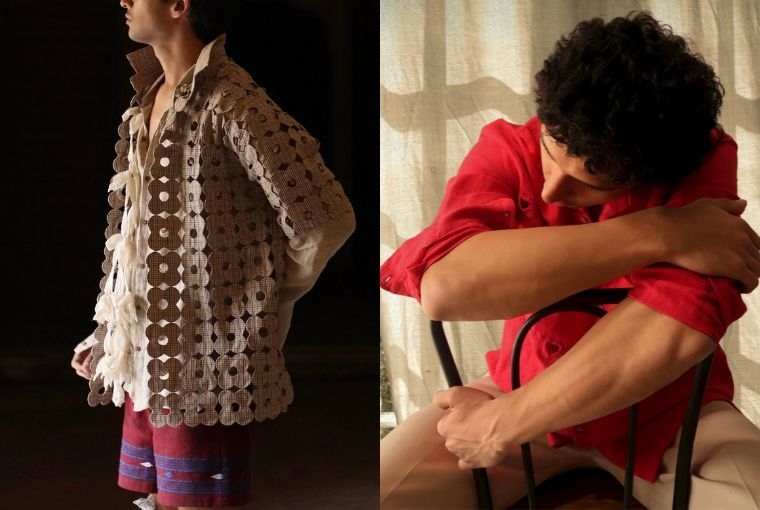
A few brands excite me, but by and large, contemporary Indian menswear has reduced heritage craft to resort collar shirts. There is no romance, just a clinical business model claiming 'revivalism' simply by outsourcing to craft clusters, only to apply that craft as surface embellishment on a western apparel template. It’s predictable. The silhouettes are so elementary that if a client wanted to, they could recreate a designer shirt using their local masterji, there is no justification for the premium. There is a glaring void when it comes to intentional pattern-making in men’s clothing at large here.
Very early on, I realised I was not going to compete on price. That’s a death trap as a designer. So Helm evolved. When I say I look at historical garments, it dictates the pattern-making itself. If I call it a Shakespeare Shirt, it is genuinely engineered from the structural cut of Renaissance attire, not just given a name that sounds themed. It’s historical construction reinterpreted into a precise, tactile silhouette for the modern-day Mr. Darcy. Effortless, reliable to wear, yet full of character.
The Meaning Behind the Name
The name ‘Helm’ was set in early October 2023 after I read Alexandra Watkins’ book on the Delhi Metro. I sat quietly on the name for a year. Helm signifies both a space and a mandate: a position of leadership and responsibility, like guiding a ship through rough water. The intention when someone puts on a garment is transportative: you step into our world to be at the helm of current affairs while preserving the integrity of the past.
The handle @daddyilovehelm operates on a deliberate double entendre, playing directly on that dramatic Little Mermaid line: 'But daddy I love him.' Beyond the humor, it captures a specific youthful irony. Even with a technical mind, a disciplined approach to pattern-making, and a goal-oriented vision for modern menswear, I chose that, well, because it’s cheeky, fun, and attention-grabbing. High craft doesn't need to be cold or sterile.
What’s the Future Looking Like?
I wrote this song recently, it’s called Starry Night, and that’s where the inspiration is coming from:
‘You can build a starry night,
Out of these fairy lights,
But it won’t be the same.
Like the rainfall of late July,
When something’s just burning so bright,
That you can’t look away.’
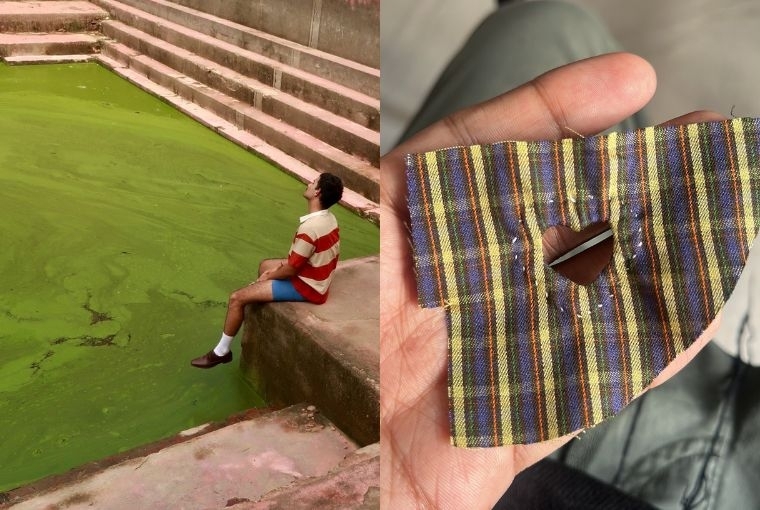
It’s a love song about things that burn with real, unyielding intensity. And so we’re rethinking our iconic motifs, introducing tedious silk fabrics that are impossible to cut but beautiful to wear, keeping our eyes open to coincidences. Looking to the future, I want more nights working with young creatives, more days engaging with overlooked craftsmen. And, for the cohort of people currently verbally furious with me for not having a live webstore yet: yes, finally giving them somewhere to look is on the immediate horizon.
Words Neeraja Srinivasan
Date 9.11.2026