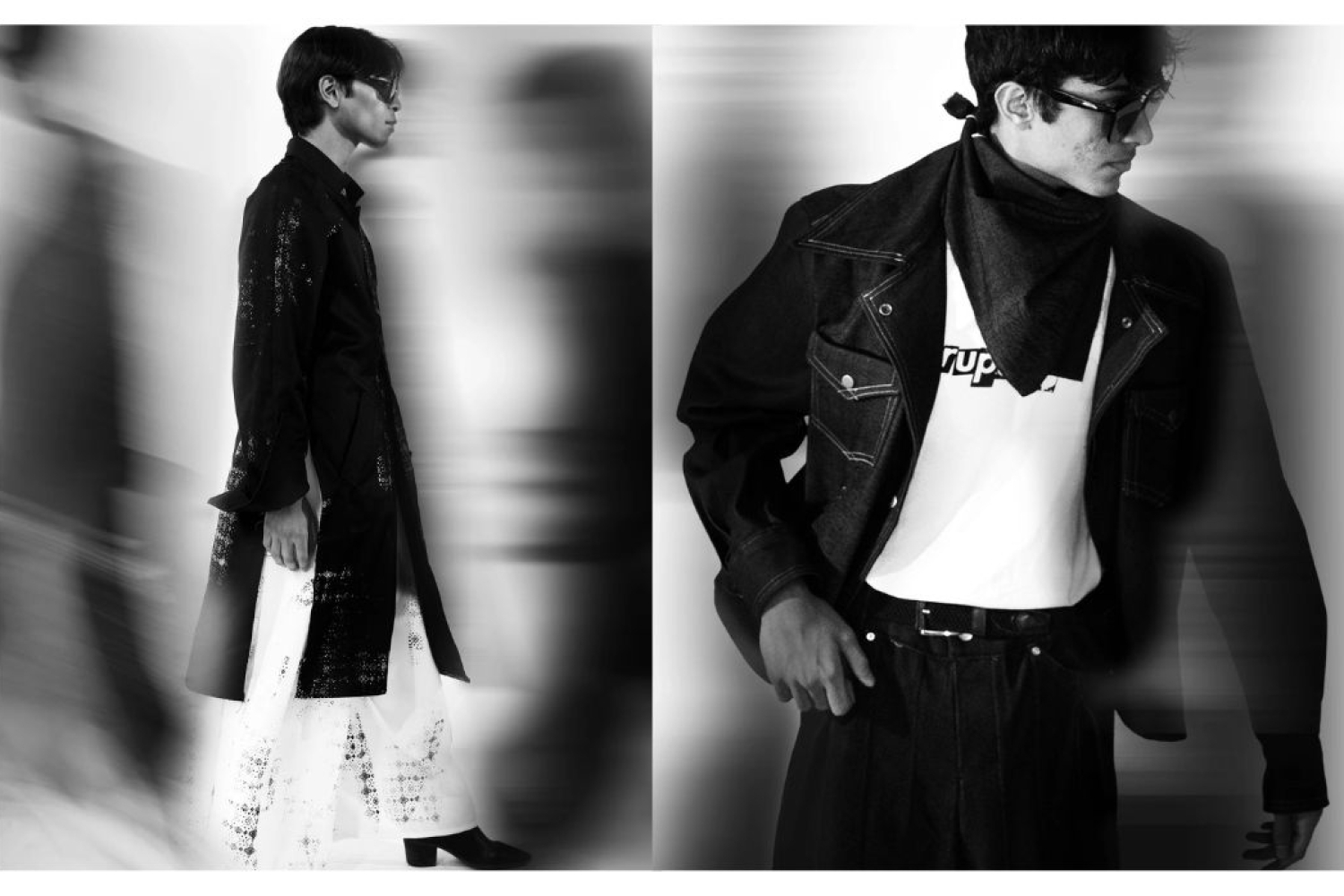
At twenty-three, Aahaan Tandon is thinking beyond the perimeters of what fashion can be. Currently pursuing an MFA in New York, Aahaan has been building his namesake fashion label, working with heritage textiles, genderless clothing and filmic ‘garment construction’. But before this became his medium, there was drawing, photography, painting and an early pull towards architecture and film. Fashion eventually became the meeting point of structure, surface, image, movement and the body. A garment for him can carry a history, solve a practical problem or become part of a larger visual world. The Ajrakh silk tie Christopher Nolan wore to The Odyssey premiere may have been a global introduction to Aahaan’s work, but its story begins much closer to the designer’s own preoccupations with textile, craft and how a garment finds its place in the world.
Living Craft
Aahaan’s relationship with craft comes from familiarity. The textiles, carpets, furniture and objects he saw growing up became part of his visual vocabulary and made him interested in the details behind the craft, the reason something was made in a certain way and the technique behind it. ‘Balancing that with the contemporary is about recontextualization. Sometimes that can mean changing the scale, placement, material, or function of something. Other times, it can simply mean putting the craft into an environment where it hasn't traditionally existed and allowing people to see it differently. There has to be a level of respect for the craft, but I also think you have to be willing to experiment with it and let it evolve.’
The Ajrakh tie he made for Christopher Nolan was an apt example of this philosophy. ‘Ajrakh has such an incredible sense of symmetry, repetition, and rhythm and the wider proportion of the tie allowed those qualities to remain visible. I wanted the construction to be quite considered and restrained so that it didn't compete with the textile itself. I think the main thing was knowing when not to interfere with the textile. The tie has a very specific construction and proportion, so I wanted the pattern to work within that structure rather than forcing the textile into something it wasn't naturally suited for. The piece was also hand sewn, which was important to me because it retained that relationship between the textile and the craft of making.’
Form and Function
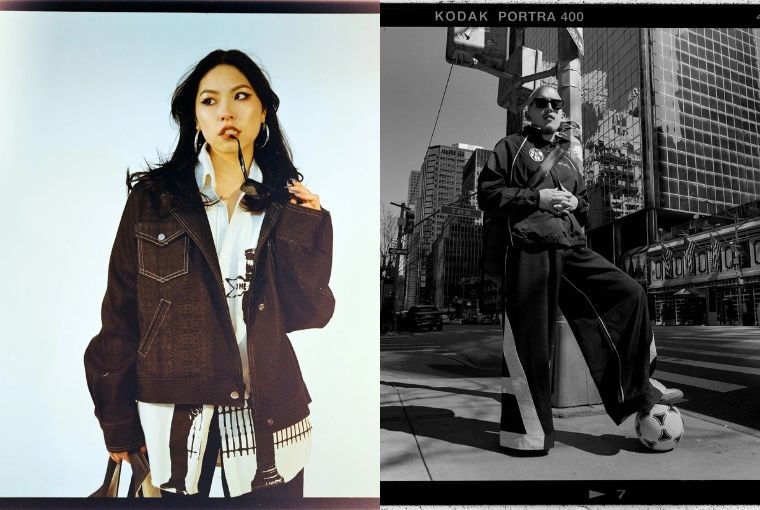
Aahaan’s idea of genderless clothing starts with his belief in making garments less prescriptive. He designs pants, shirts and jackets to move freely between bodies, paying attention to fit and proportion along the way. That thinking extends to his larger approach in design. ‘I'm interested in reengineering garments from the inside out and asking how we can make clothing work better for the person wearing it. That includes looking at construction, material, weight, movement, adjustability and how the garment performs over the course of a day. I also think functionality naturally connects to inclusivity. If you're designing around different bodies, different movements and different needs, the garment has to become more adaptable. The best functionality can sometimes be almost invisible. If a garment moves better, fits better, adapts to the wearer, or solves a problem without drawing attention to itself, that's a successful piece of design to me.’
Making, Building, Becoming
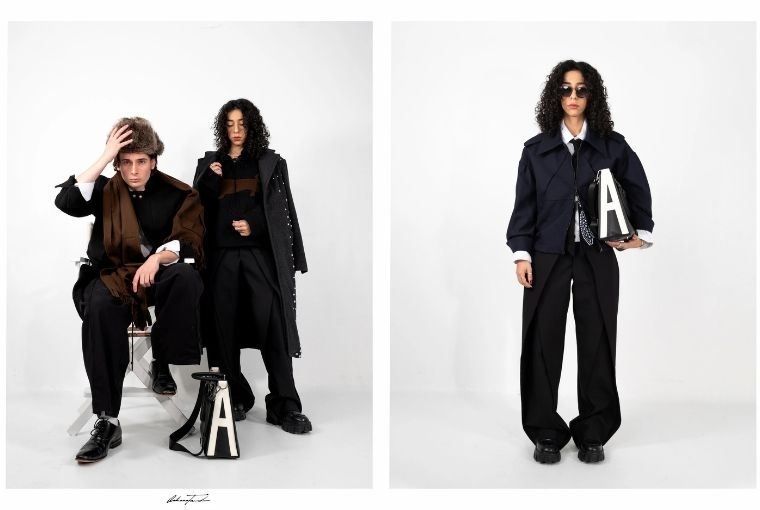
Aahaan’s creative process begins away from the fashion world. He often starts by looking through his own and his family’s archives, then follows those threads into larger ideas. He deliberately avoids looking too closely at other fashion collections, giving himself room to arrive at an idea without being pulled towards what already exists. He then moves quickly into drawing, pattern cutting and learning through the physical act of making rather than ‘endlessly sketching’. In a crowded industry, he sees staying consistent and sharpening his design language as both the challenge and the reward. ‘I've been really fortunate to have an amazing group of designers and artists around me who help make the work stronger.’ By Summer 2027, his MFA thesis collection will bring together the threads he has been exploring: craft, textiles, movement and function, with the future intention to create more and create for more.
Words Nidhi Soni
Date 23.10.2026
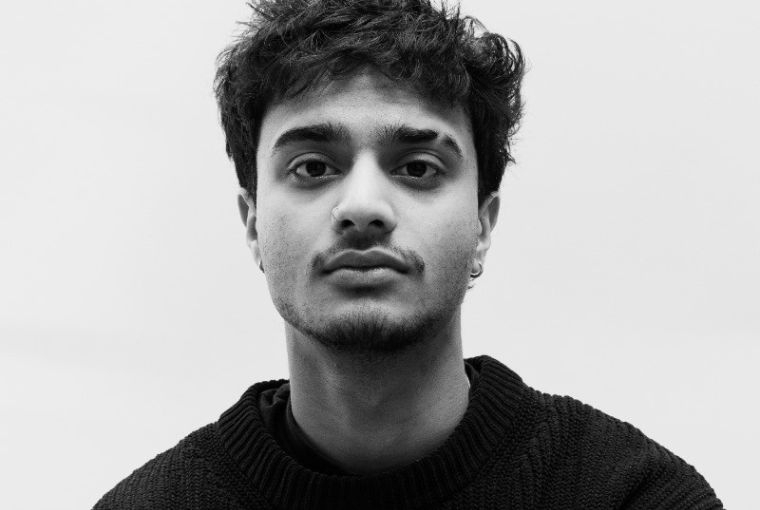
Aahaan Tandon