Film festivals have always bridged artistic visions and the audience. Especially giving indie films recognition and a platform. From Cannes and Berlin to Sundance, Venice, Toronto and more, these festivals have helped independent films move from festival buzz to global conversations about cinema and storytelling. Below are some recent Indian indie films that are a must-see.
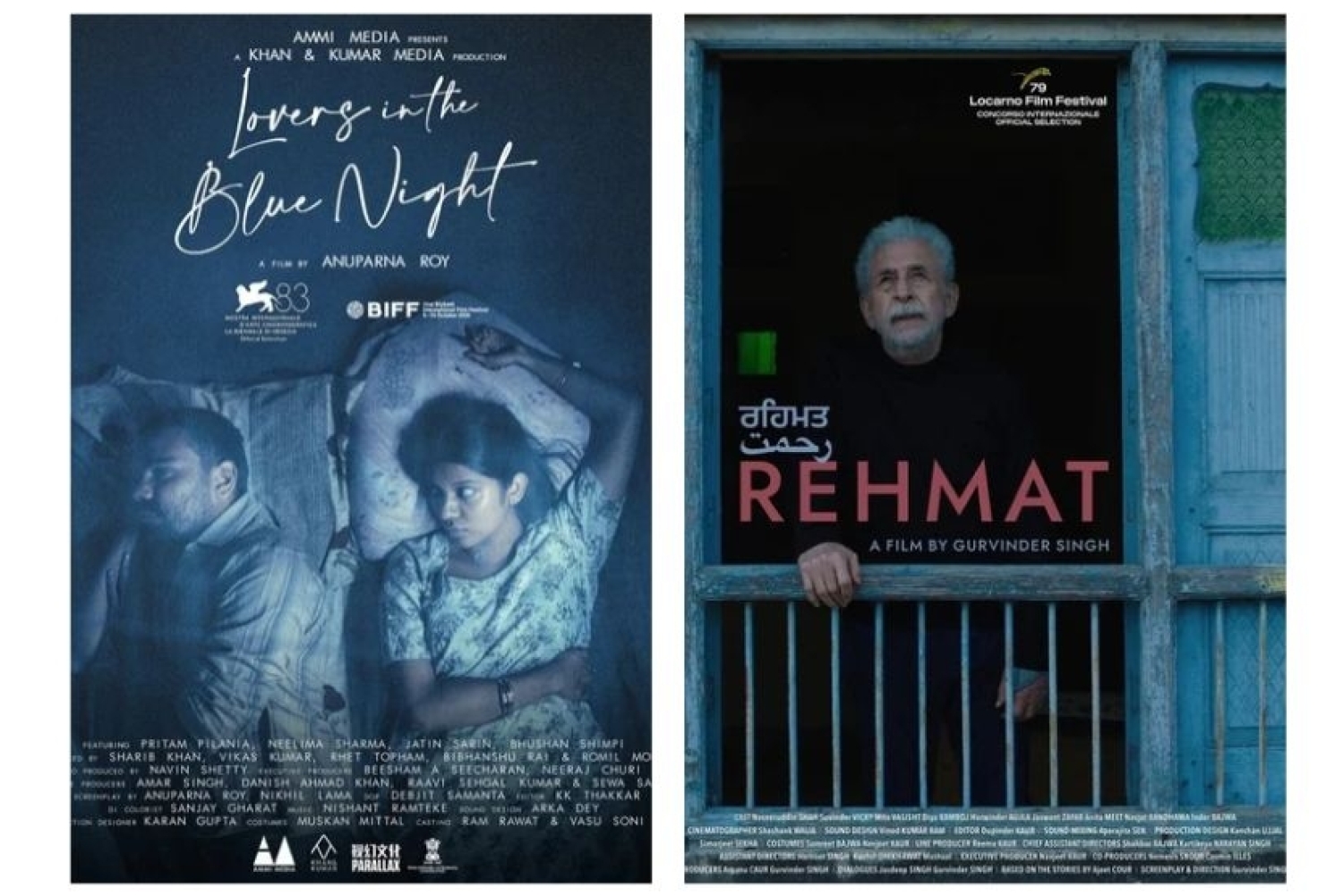
Lovers in the Blue Night
Set in the nocturnal underbelly of Mumbai, Lovers in the Blue Night follows the interconnected lives of four displaced migrants. Written and directed by Anuparna Roy, the narrative illustrates how the desperate search for tenderness and the right to desire become profound acts of quiet resistance against a punishing society.
Rehmat
Adapted from the short stories of writer Ajeet Cour, Rehmat intricately weaves together Partition-era trauma and inherited grief amidst contemporary socio-political upheavals. Directed by Gurvinder Singh, the film follows three interconnected narratives in present-day Punjab, exploring a woman sheltering a wounded stranger, a grieving family navigating difficult choices and an elderly man returning from England.
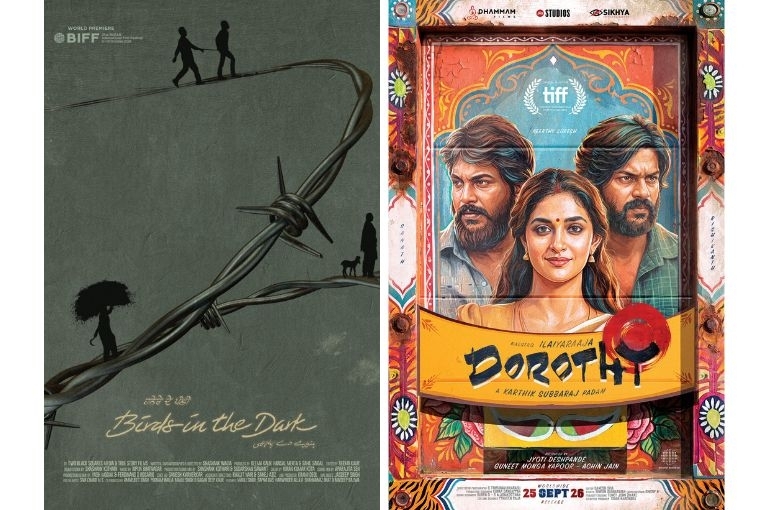
Dorothy
This Tamil-language film centres on two childhood friends whose lives are completely upended and transformed by the arrival of a compassionate woman named Dorothy. It explores themes such as caste violence, patriarchy and LGBTQIA+ identity and acceptance. It achieved international recognition when it made its world premiere in the prestigious Centrepiece section at the 2026 Toronto International Film Festival (TIFF)
Birds in the Dark
Shot in evocative black-and-white, Birds in the Dark intricately explores heavy intersections of caste hierarchy, gender, agricultural labour resistance, and queer love. It won the New Currents Award and Songwon Vision Audience Award - Asia at the 31st Busan International Film Festival, marking a celebratory debut for director Shashank Walia.
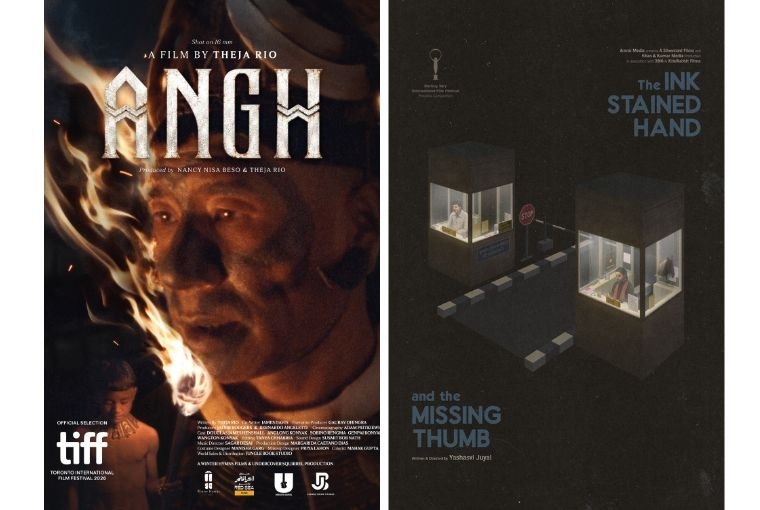
Angh
Directed by Theja Rio, Angh is a Konyak-language Indian drama set in early 1960s Nagaland. It follows Anghba, the last surviving hereditary chief of a remote jungle village, who clings to ancestral traditions alongside his ailing wife and non-speaking son. It explores the impact of Christianity and modernisation on indigenous traditions and the friction between ancient wisdom and colonial influences.
The Ink-Stained Hand and the Missing Thumb
Set in 2003 in a remote settlement in the Himalayan foothills of Uttarakhand, The Ink-Stained Hand and the Missing Thumb is a feature-length directorial debut of filmmaker Yashasvi Juyal. The narrative centres on two toll booth workers whose lives are upended by a tragic accident, portraying through them the creeping ecological threats of rapid modernisation.
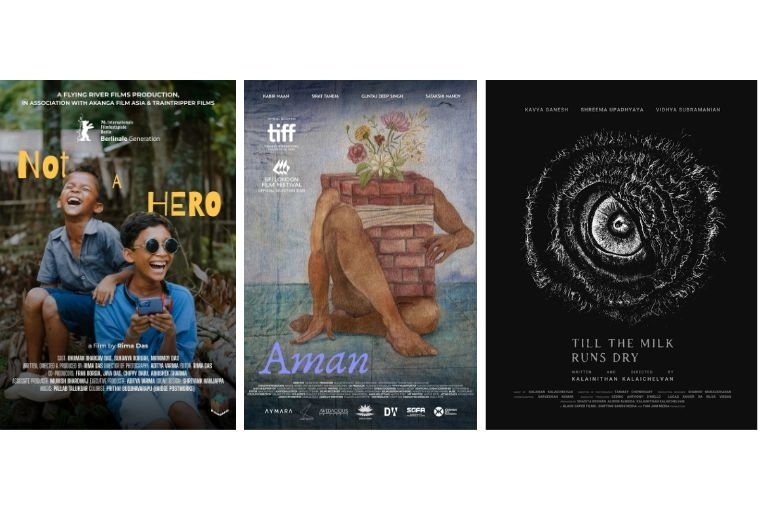
Not a Hero
A coming-of-age film, Not a Hero, is about the transformation of an 11-year-old city boy, Mivan, who is sent to live with his emotionally distant aunt in an ancestral village. Directed by Rima Das, it deeply explores the stark contrast between urban capitalism and rural tranquillity, the search for a sense of belonging and a reimagined concept of quiet courage rooted in vulnerability rather than dramatic bravado.
Aman
Directed by Rahul Roye, Aman is a story about a trans man who makes the unexpected discovery that he is pregnant on the very eve of his gender-affirming surgery. This revelation triggers a deep personal crisis, challenging their plans and forcing them to navigate an emotionally complex landscape. The plot explores themes like identity, masculinity, fatherhood, bodily autonomy along with the rigid social limitations of gender.
Till the Milk Runs Dry
Till the Milk Runs Dry follows Madhu, a young Bharatanatyam dancer at a prestigious academy who faces intense pressure to terminate an unwanted pregnancy or forfeit her life's work. This short film is directed by Tamil-Canadian filmmaker Kalainithan Kalaichelvan. It delves into the cost of artistic devotion, the heavy burden of cultural tradition and expectations.
Words Shruti Verma
Date 28.10.2026