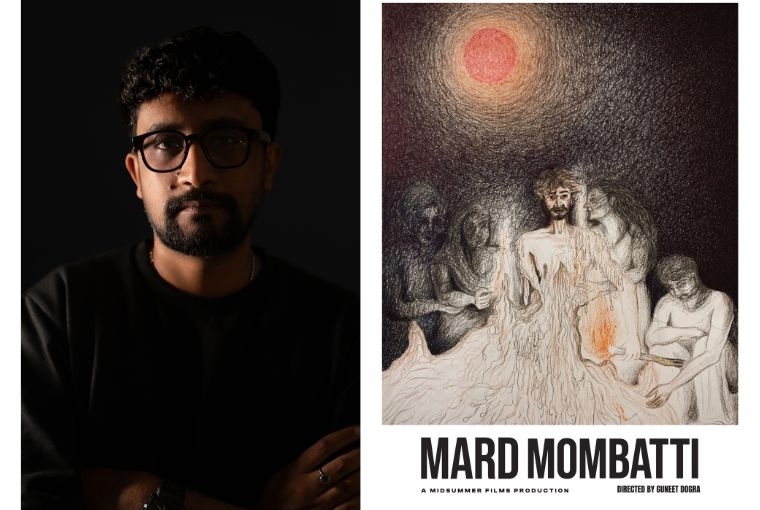
Guneet Dogra spent over a decade working across departments on films like Masaan, Qissa, and Zero Dark Thirty before he ever stepped behind the camera himself. The turning point came during a guest lecture, when a student asked what kind of films they should make. After a long pause, he answered, ‘Tell the stories that come from where you belong. If we don't tell them, who will?’ That’s when he realized he’d spent years helping others tell their stories while quietly postponing his own. Mard Mombatti, his debut short, became his way back to that voice.
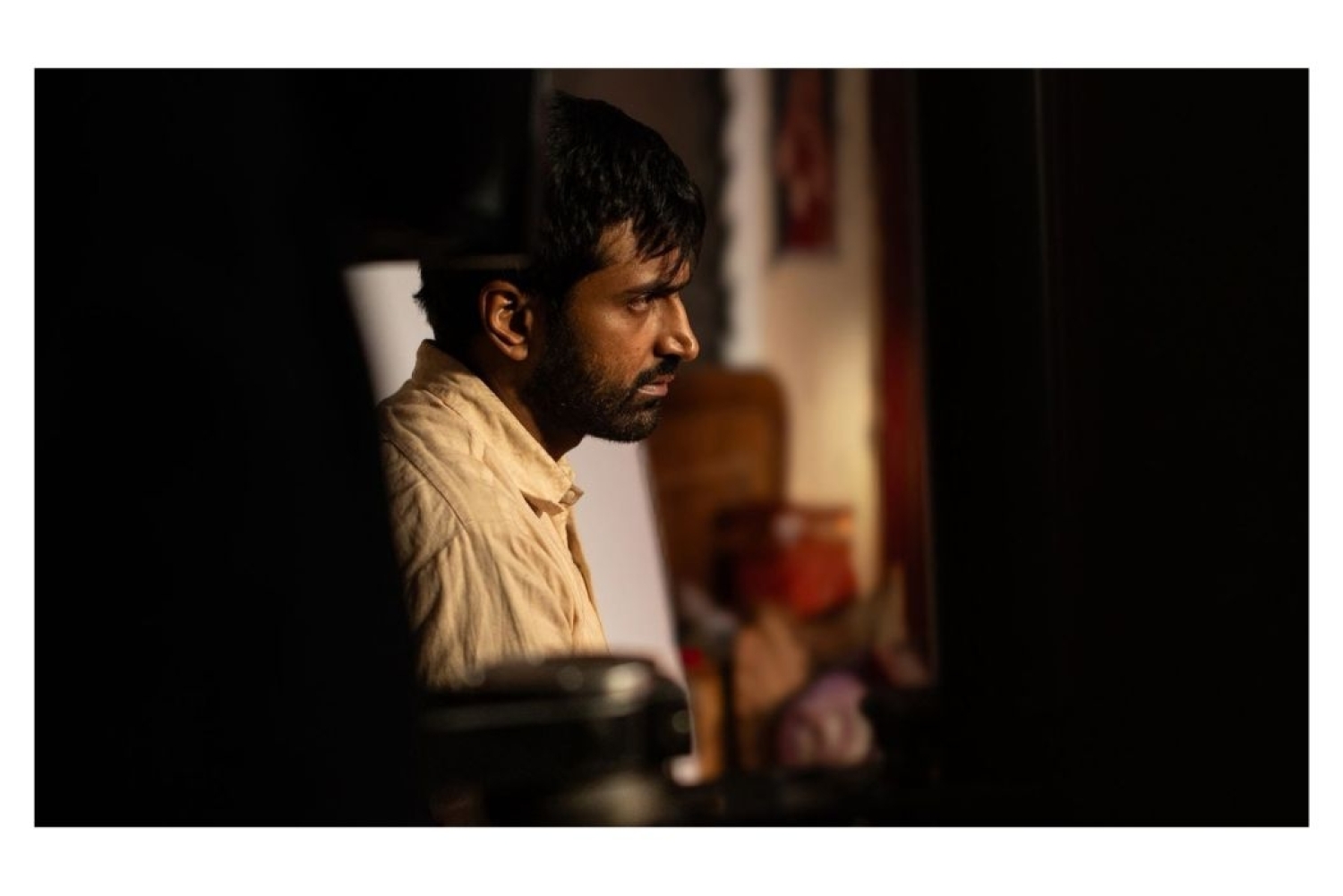
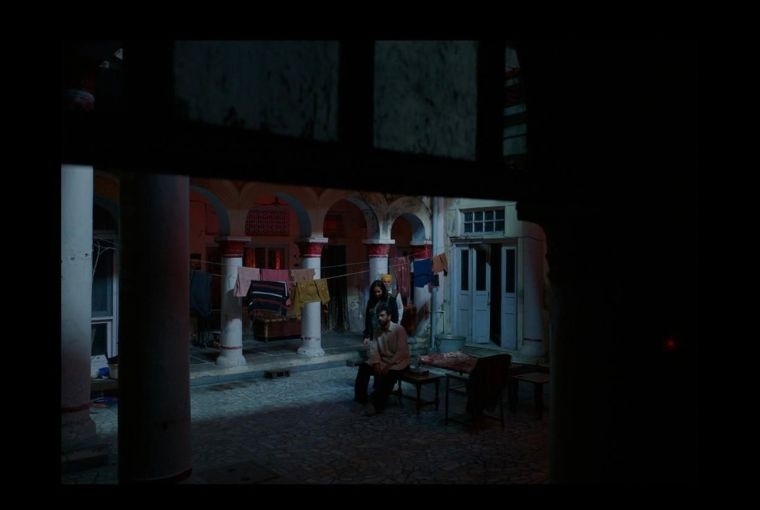
Shot in a square aspect ratio that pulls you in and refuses to let go, Mard Mombatti unfolds over a single night in Punjab. It is a dark, deeply felt film about family, repression, duty, and the freedom to be otherwise. At its centre is Sonu, who blames his family for the life he never got to live. Over the course of the night, he's confronted not just by them but by a pair of ghosts who prowl through his home, and through everything he's spent his life trying not to see. We got in touch with Guneet to break down the film further.
The Memory
Sonu began with a memory rather than an idea. I was around twelve, playing in the lanes near my grandmother's house in Amritsar, when I became quietly obsessed with an old house and the family living inside it. There was something about them that felt suspended in time, as though life had settled into those walls and refused to move on. I carried that image for years without understanding why. Much later, when I discovered the work of Pavel Filonov, I recognised a similar emotional landscape of ordinary lives carrying an almost haunting inner weight. Mard Mombatti grew from that memory. Sonu came much later.
The Wait
The title came first, by years. It lived in my notebooks long before I knew what it belonged to, drifting between different characters and different worlds. During the writing process with Nishant Dhar and Sumit Saxena, it returned once again, and this time it finally found its place. Looking back, I realised I wasn't searching for a title. I was slowly growing into the story it had been waiting for.
The Feeling
People often assume the square frame in films is about confinement, but for me, in my film, it was really about attention. It asks you to stay with a face a little longer, with a silence, with a hesitation. In Mard Mombatti, the real drama isn't happening in the landscape; it's happening in the small emotional shifts between people who can't quite reach one another.
The Ghosts
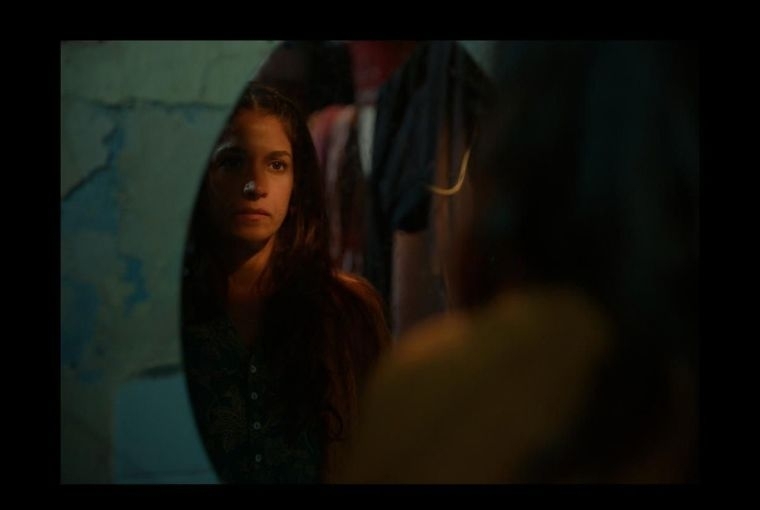
The thieves as ghosts were there from the beginning of the story. I never thought of them as realistic burglars. I was more interested in the tradition of theatre, especially Shakespeare's witches in Macbeth. They don't create Macbeth's ambition; they simply give shape to something that already exists within him. That idea fascinated me. Harold Pinter's The Birthday Party was another important influence, where ordinary domestic life is suddenly interrupted by strange, unsettling visitors. I wanted the thieves to exist somewhere between reality and conscience. They move the plot forward, but they also reveal parts of Sonu that he has spent his life trying to suppress.
The Language
The story probably began with Sonu, but it didn't remain his story for very long. I started by asking what happens when someone inherits all the responsibilities of being a man but very little emotional vocabulary to live with them. As I kept writing, I realised every character was wrestling with the same question in a different form. Kitty is searching for tenderness without knowing how to ask for it. The mother carries love through silence and sacrifice. The father mistakes duty for affection. Even the thieves aren't just intruders; they're embodiments of everything the family has refused to confront. Somewhere along the way, I realised I wasn't really writing about masculinity. I was writing about people who love deeply but struggle to find a language for that love.
This is an article from the September EZ. For more such stories, read the EZ here.
Words Hansika Lohani
Date 28.9.2026