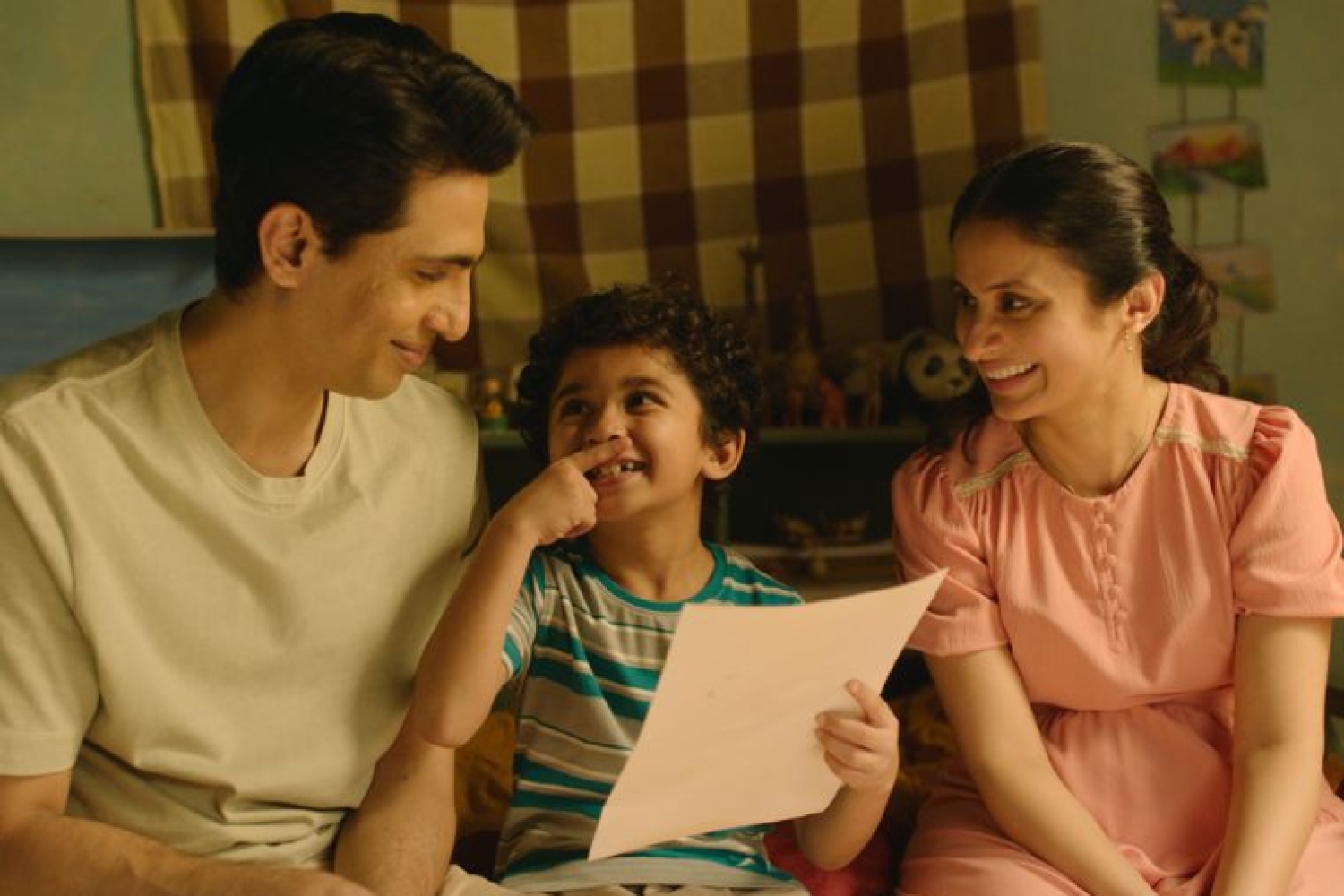
In theatres now, Kaushal Oza’s debut film, Little Thomas, backed by Anurag Kashyap, is a heartwarming, nostalgic story that beautifully captures the innocence of childhood. It delves deeply into the world of a child’s imagination, the games they play and the stories they tell each other. It shows the pure and innocent belief of children, which seems to be fading in this current world of modern and digital times. In his first attempt at a feature-length story, Kaushal takes us on a journey with the Mirandas and their ups and downs, set against the backdrop of Goa in the 90s.
‘The genesis of the idea is from my childhood. It must have begun when I realised that people all around me have siblings; someone has a brother, someone to play with, to share with. And Little Thomas is the story of a child who is the only child in his family and wants a little brother.’
The beauty begins with his, firstly, setting a story in the 90s, adeptly captured the simplicity of that time, which had a certain charm we have lost, but it lent itself well to the story of Little Thomas; ‘I wanted to create a fairy tale and magical world of a child but also set in the specific period when liberalisation is about to happen or has just happened helped me because the Mirandas are running a family-owned bakery and they have certain problems that have their genesis in the liberalisation period. It also really helped me tell a much denser story in a way’.
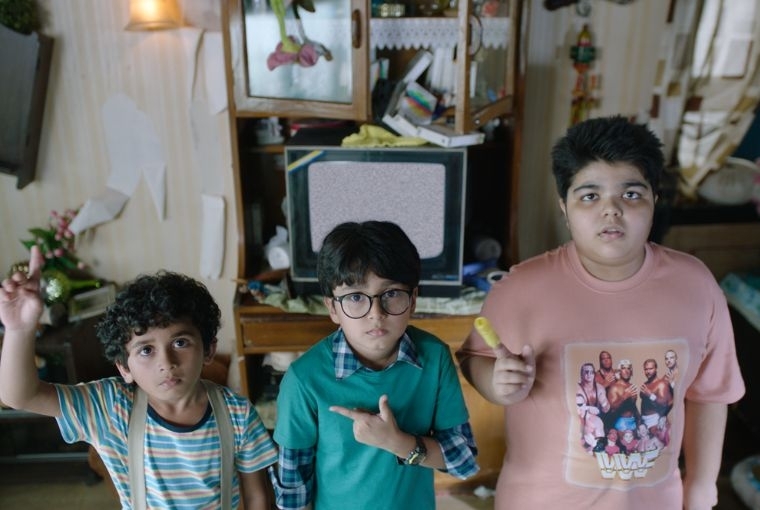
The second is the tremendous job done in casting making the characters relatable and engaging for the audience. The children just shine on screen, which goes to show the rigorous work that went into it. ‘During the lockdown, casting for the film was challenging, especially for the kids. With schools not fully resumed and restrictions in place, it was difficult to scout for child actors. We met around seven hundred children, observing their natural behaviour and engaging with them before conducting auditions. From this, we shortlisted twenty children for a five-day workshop, where we eventually selected Thomas and three others for the film. After finalising the cast, we conducted workshops to build chemistry among the actors, ensuring that their on-screen dynamic felt authentic. This extensive process of casting and working with the cast contributed to the genuine camaraderie seen in the film.’ And lastly, Anurag Kashyap has onboarded this project as a producer after being introduced to it by co-producer Ranjan Singh. This marks Anurag’s first foray in children’s cinema.
Legend has it that a filmmaker sits on a pile of at least twenty to thirty stories; however, that wasn’t the case for Kaushal. ‘I don't have many stories, maybe just a few and they are usually only a page or two long. I don't feel compelled to make more than one film. There's usually just one idea that consumes me like what happened in the case of Little Thomas and I worked tirelessly on it until the film was made. Once it was done, I felt emptied, with no more stories to tell. It takes a long time for new ideas to brew, but eventually, one idea takes hold and compels me to write. Despite my resistance, this one idea breaks through and I find myself writing tirelessly until it consumes me completely.’

Between writing and directing, there wasn’t a choice to be made. ‘It's hard for me to choose between writing and directing. I love both. Writing is solitary, filled with self-doubt but compelling. I grow a lot during this phase. I enjoy isolating myself to concentrate on my writing. I read, watch films and write for months without distractions. However, I also love the collaborative process of filmmaking. Working with actors, music and editing teaches me a lot about writing. Understanding the technical aspects of filmmaking is essential for a screenwriter but it doesn't automatically make one a great director. Great writing doesn't guarantee great directing and vice versa.’
Words Hansika Lohani
Date 2.11.2026