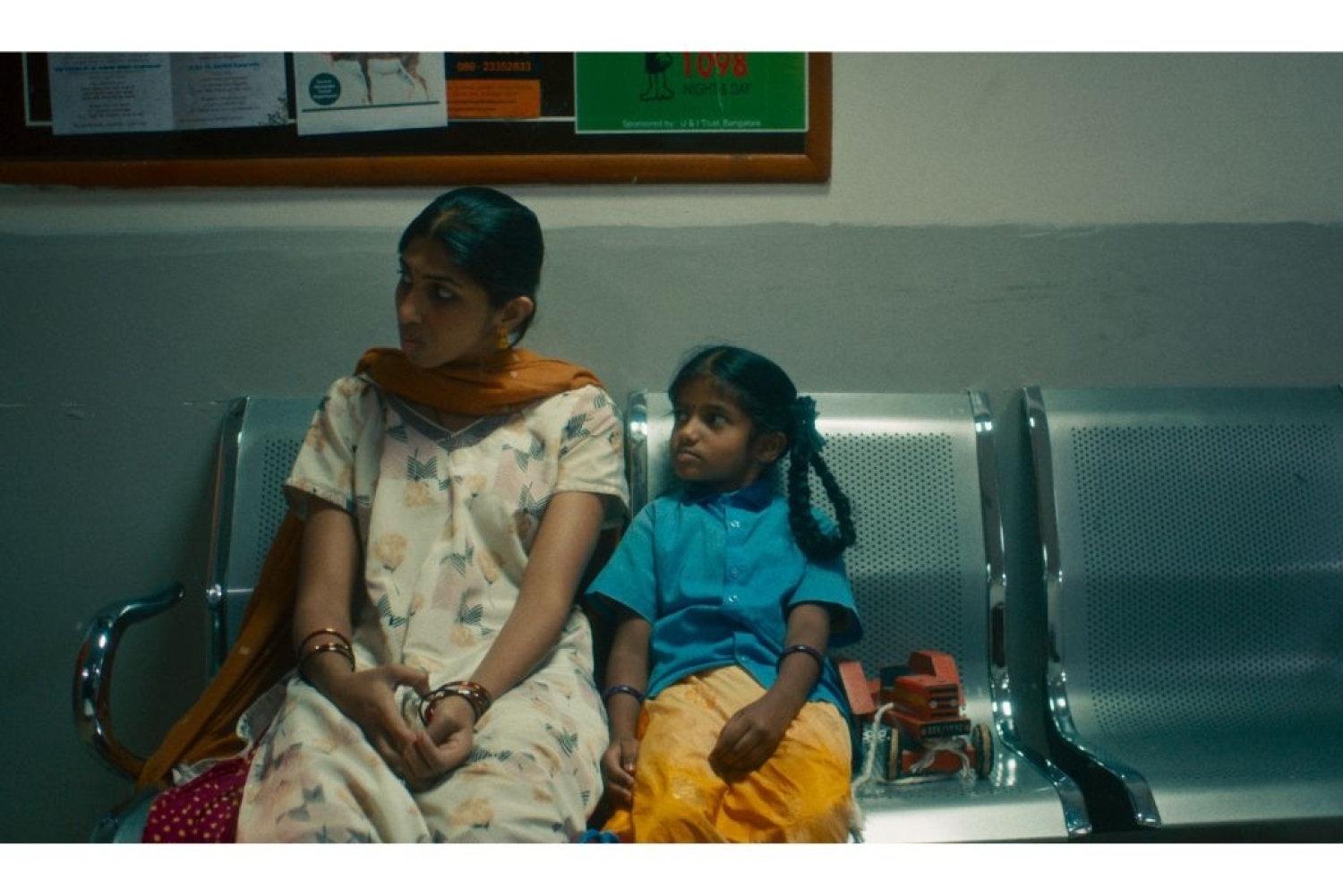
Anooya Swamy wrote many stories before being reflexively inspired by her relationship with her mother to make a film that had its premiere at the Sundance Film Festival this year. Her ‘Amma’ [mother in Kannada] had her when she was just sixteen, in a city where no one spoke their language and while her father was away a lot. They spent time as just two girls, watching TV and filming each other. People thought they were more like sisters and less like mother and daughter. Anooya’s Amma hated that. She wanted to succeed at being a mother. Pankaja, the film is Anooya’s attempt to fictionalise the feeling of watching her mother grow into a woman.
The story shows us loss, solidarity and the oppression women experience in poverty-stricken regions. It is a nuanced tale of motherhood. We follow Pankaja’s search for her husband with her daughter, Lalli. This great effort in the film is marked with potent moments and balanced with lightness between the titular characters. Together, we see them live, love and long, all at once.
‘Pankaja means ‘lotus’; something born out of mud. This film was made with dirt on our faces, sweat on our backs and the hard work of mostly first-time actors and many first-time filmmakers. We shot in real locations and like the characters in the film, my actors had to adapt to the streets, the workers, the institutions, looking back at them.’
‘Pankaja is a Patchwork of Inspirations.’
When I made Pankaja, I was actually stuck on the idea of making a film about my dad. His life is larger than life, the kind that belongs in cinema. The idea was too large to make for my course and I pivoted at the last minute, with a loose script, incredible actors and locations that I’ve known my whole life. The story of Pankaja is a patchwork of inspirations and lots of improv with my actors. Regarding the ‘politics’ of the film, people say I’m political but it’s just my way of life.
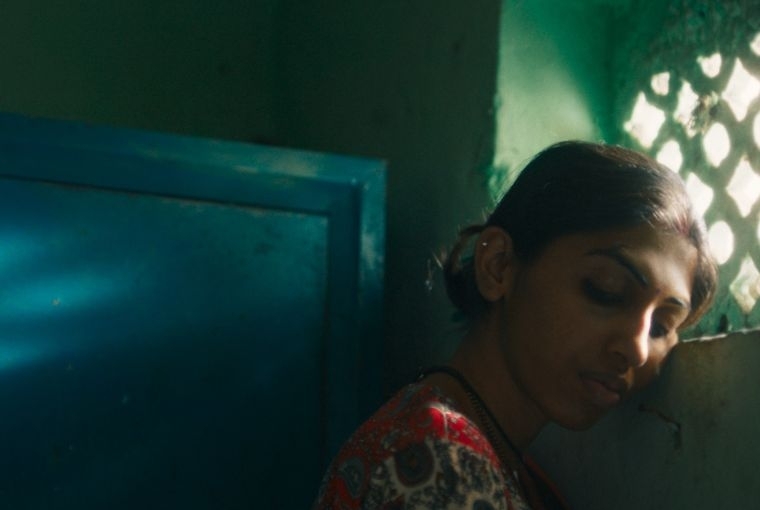
‘I’m Drawn to Stories that Feel Lived-in, Complicated, Funny and Painful at Once.’
I do look inward but I’m also obsessed with the external world; how people live, how they survive, how they love. Pankaja was my first attempt at a personal, as well as a reflection of the world I’m surrounded by, in India. It was also a lot about observation; as we planned and shot the film in an almost documentary style. I’m drawn to stories that feel lived-in, complicated, funny and painful at once.
I’m an entertainer. I like larger-than-life stories and characters as a way to find their humanity in the exaggeration. I also don’t like being restricted to kinds of stories; I want to be able to make a film like Virgin Suicides but also Hulk and make people feel deeply, like movies made by Ang Lee. I’m not interested in only catering to filmmaker and artist audiences; I don’t really come from that world. I believe something is charming and beautiful about ‘commercial’ cinema, about making films for large audiences. That doesn’t mean it must cater to everyone as there’s no such thing as art for everyone and I actually love when a film can please and displease people. It’s telling of something.
These days, I don’t begin a film thinking about the audience but it definitely is something I consider. It is more about accessibility. My most personal work, though, is experimental and it doesn’t care to explain. Sometimes slow movies can make people fall asleep and to sleep through those films is also fine. We just need better commercial cinema and I think a way to solve that is for more women directors to make films. We have too many ‘commercial films’ made by men. Meanwhile, the films and artists that are most successful have always been supported by girls.
Casting and their Work
Harshini [Boyalla] is an incredible artist to work with. She gives so much to a character, with complete commitment and generosity. She is a sponge and an experimenter. I don’t think anyone else could’ve worked for Pankaja, except her. She adds so much to a character; her research is exceptional and I felt more confident about the story as I moved through production with her.
Padmashree [G.] is brilliant; mature beyond her years. She’s witty, an incredible listener and learner. I love that she calls me to tell me she’s joined dance classes and that she’s the head of her year at school. She is so precious and I can’t wait to see her. I wish I could take her to the Sundance Film Festival but we’ll go to the next one together. Our rehearsals were essential. The scenes really came together after spending time and getting to know each other.
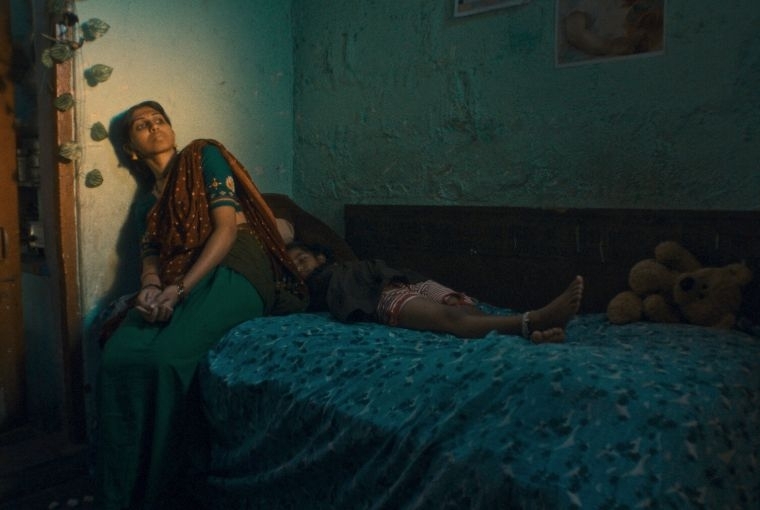
‘I Must Create Art to Affect’
We live in a cyclical system that is controlled by convenience and power and the casualty of that is care, empathy and love. I feel that, more especially living in America, it’s more transparent. I hope for my work to explore ideas that aren’t binary, that is, kind yet critical. For now, I am figuring out how to be cognisant of the world around me. The world where so much is happening in Palestine, Iran, Sudan, the Dalits in India. To understand that while individually being a woman, dealing with shame, guilt, grief and love. What does it mean to watch the world unravel where I watch a story on Instagram about a birthday of a person I love and then the next minute I hear of an ICE Agent shooting at people of colour in America. Not to put too much importance to the work we do but I believe I must create art to affect. To move people is the only way; in the chaos of the internet and their echo chambers, we are forgetting humanity. History has taught me that we must get to work now, to clear the clouds.
I’m also finally an ‘artist’. I enjoy what I’m doing. My purpose keeps changing, so let’s see what’s next.
This is a conversation from Platform’s May 2026 Bookazine. To read more such stories, grab your copy here or at select bookstores.
Words Hansika Lohani
Photography Luke Kao & Aaryaman Kutty
Date 20.6.2026
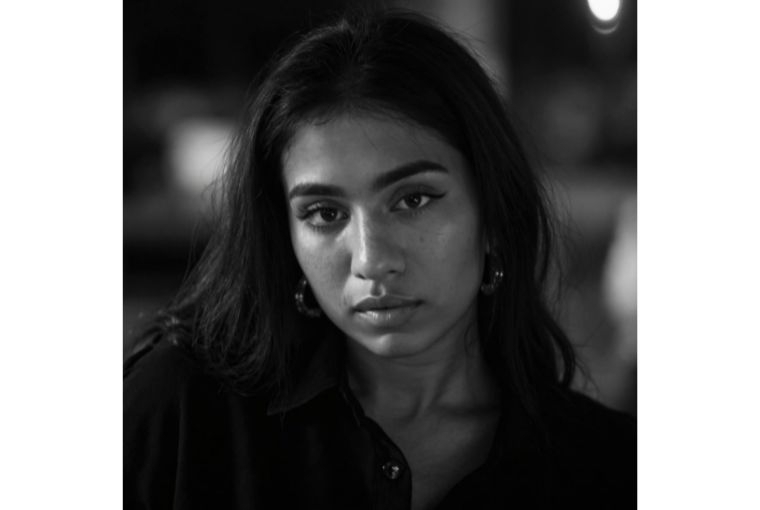
Photography Leon Ristov