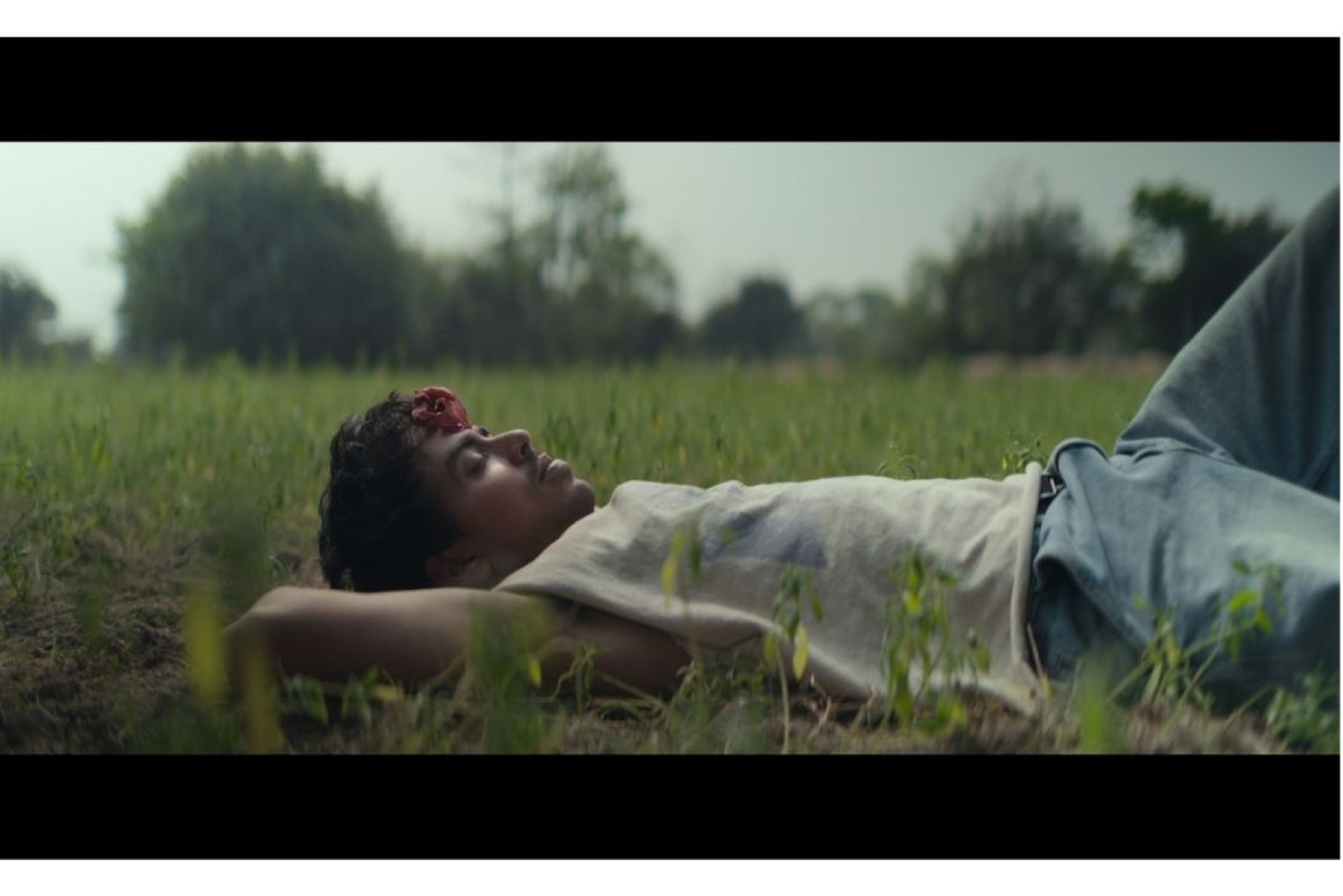
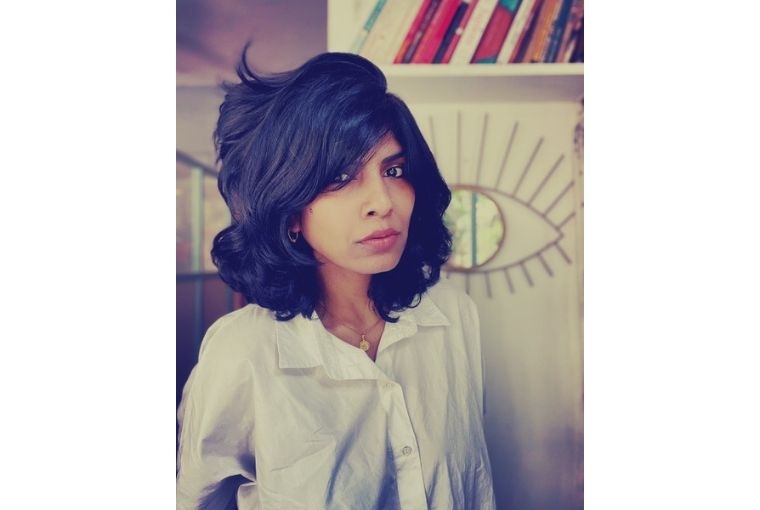
Megha Ramaswamy has built her career in fiction and hybrid cinema, so a straight documentary series wasn't the obvious next step. What pulled her in was the access: a chance to film in Northeast India among some of the country's least documented tribal communities, with complete creative freedom to shape what the series could look like. Voices of the Land covers six episodes across five communities.
Writer Nitin Gupta, researcher Gaurav Haloi, and cinematographer Kuldeep Mamaniya worked alongside Megha, while the tribes themselves had a say in their own portrayal, questioning and altering anything that felt inauthentic. Trust took time. Tribal chiefs ran background checks even on Megha before granting access, asking her to explain her intentions in detail over days of meetings. Out of this collaborative process, what has emerged is not a travelogue but an encounter, anchored by traveller Gaurav Adarsh's own unscripted responses to what he witnesses. Megha feels there is an urgency in telling these stories: languages are disappearing, food and cultural traditions are shifting, and younger generations are negotiating new identities faster than anyone can record them. We spoke to Megha to understand this better and how she all made it happen.
You've worked mostly in fiction and hybrid cinema. What pulled you toward a straight documentary format for this project? What was the starting point? And what did you have to unlearn from your usual process? How different was it?
The starting point was the opportunity to film in Northeast India and gain access to some of the rarest and least documented tribal communities in the country. That, in itself, felt like an extraordinary privilege. At the same time, I was given complete creative freedom to explore what the documentary series itself could be. If you watch the series closely, you’ll notice that there is a lot of room for introspection and observation. That’s not necessarily conventional documentary grammar, but it made sense to me. I revisited many aspects of formal cinematic language to create a narrative blueprint for each episode. I wouldn’t say I had to unlearn anything from fiction. If anything, this project felt like a joyful coming together of everything I have picked up over the years as a filmmaker. I didn’t abandon one form for another. It was about experimenting with form, allowing fiction and documentary to inform each other in ways that felt honest to the stories we were telling.
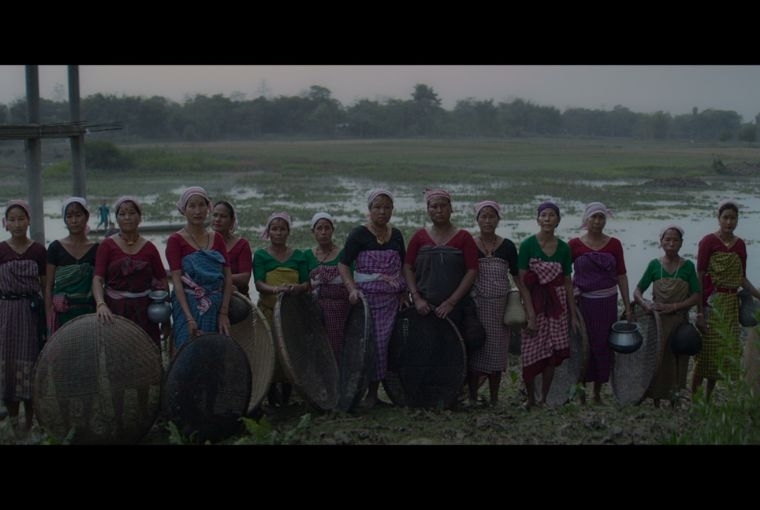
Five communities, six episodes, one region as vast and varied as the Northeast. What was the writing process like? How did you decide what made the final cut, and what did you have to leave out that still stays with you?
The writing process was deeply immersive and incredibly inspiring for all of us. Research was at the heart of everything we did. Nitin Gupta (writer) Gaurav Haloi (research) and I spent days discussing not just which communities we wanted to feature, but why. We were constantly asking ourselves how to represent each tribe and its belief systems truthfully, without fetishizing the people or their cultures. Our cinematographer, Kuldeep Mamaniya, was part of the process from the very beginning, building the visual language alongside the scripts as we gradually discovered the storytelling approach for each community with some tribes like the Sherdukpen being very involved through the process.
It was an unusually collaborative way of working, where the writing and the visual design evolved together. Kuldeep and I often joke about how difficult the edit became for Pawan Therukar (our editor) because he had captured so many extraordinary moments. There were breathtaking sequences that were a bummer to part with, but the series was never meant to be a visual travelogue. We had to remain authentic to each community while also staying anchored to Adarsh’s journey and point of view. Thankfully, we didn’t have to leave out anything that felt substantively important. What didn’t make the final cut were mostly beautiful atmospheric moments of the Northeast. I think we ultimately found the right balance between visual beauty, narrative focus and cultural integrity plus the 6th episode which is a look back at the entire journey solved this missing out our darlings problem!
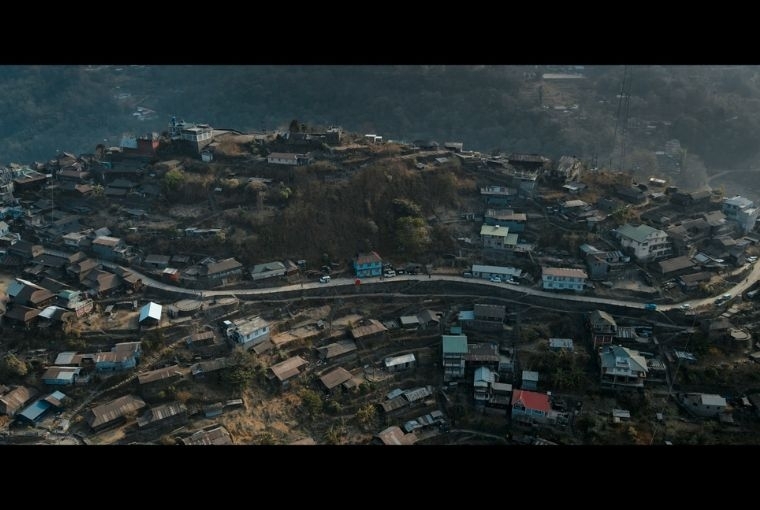
Earning access to living cultures, especially ones that have often been misrepresented or exoticized by outsiders, takes real trust-building. Can you walk me through how that trust was earned with communities like the Angami or the Sherdukpen.
I was very clear from the very beginning that each community would have a meaningful say in how they were represented. The tribes were actively involved in the development of our screenplays and had the authority to question, remove or alter anything that didn’t feel authentic to their lived realities. That wasn’t just a courtesy. It was fundamental to the way we wanted to make this series. I think the performative traveller’s gaze can be deeply problematic. It often exoticises, fetishises and 'others' the very people it claims to celebrate.
Social media has only amplified that tendency by rewarding spectacle over nuance. In our case, the tribal communities of the Northeast were in control of the narrative down to the smallest details. Our first responsibility was to earn the confidence of the communities and ensure that everyone who participated was treated with dignity and compensated ethically for their time and knowledge. The tribal chiefs were also understandably meticulous. Before granting us access, they conducted thorough background checks on me. I was asked to share my previous works and spend time (even days) explaining my intentions and our approach in detailed meetings before they agreed to collaborate with us. Over time, those formal conversations transformed into genuine friendships and spaces for mutual exchange. That evolution of trust became one of the most meaningful parts of making the series.
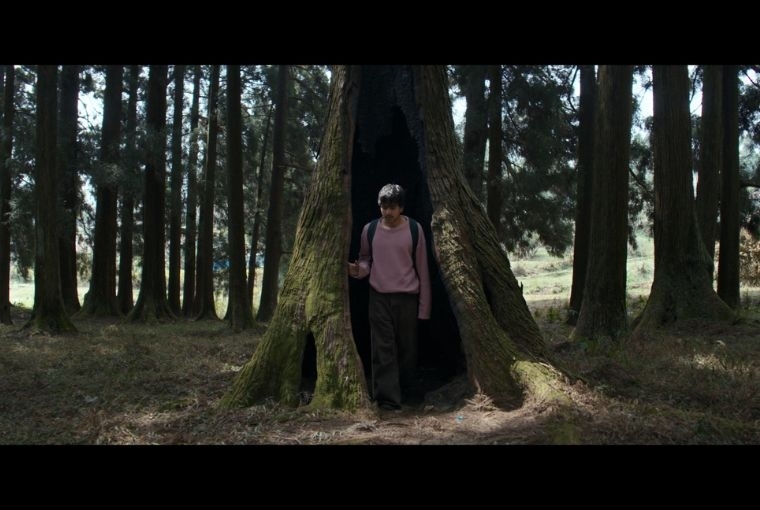
How was it working with Gaurav Adarsh who is also known to be a perceptive traveller?
Working with Adarsh was so easy. It was wonderful to observe his interactions, and sometimes his vulnerabilities, as he navigated these profoundly moving experiences throughout the series. As a director, watching him do that without having a character to hide behind was particularly moving for me. There was no real "cut" he was always everybodys first choice, Adarsh is also a dear friend and we've been discussing collaborating on fiction for sometime, travel is something that dearly interests us both, so when he and I got the call from our producers at Edstead, we were really happy to get onboard. I've known him to take off on far travels and speak about them with so much genuine interest. He brings it all back home and that was an aspect which really worked for the format of the show. We all know him as a wonderful actor, but there is no acting when you’re making a documentary series. Everything you see is real: the joy, the tears and the quietude.
There's a tension in documenting indigenous cultures: preserving them on film can also freeze them into a single image, when the culture itself keeps changing. How did you navigate that as a filmmaker?
That’s a great question, and it’s something we consciously made part of the series. For example, in the Biate episode, we’re very aware that the songs we hear belong to the last generation of older Biates fluent in the community’s traditional language and musical forms. They are now passing that legacy on to a younger generation that chooses to interpret it in its own way. What I found particularly interesting was that both generations made space for each other’s identities without questioning each other’s intentions or integrity. There wasn’t a sense of one being more authentic than the other. Instead, there was an understanding that culture evolves, and that time itself becomes part of that evolution. Tribes are living cultures, constantly negotiating continuity and change, and that feels more truthful than trying to preserve a single, static image of them.
You've said elsewhere that these stories feel urgent to tell now. What's driving that urgency, and what do you hope Voices of the Land does, that a written record or academic study couldn't?
I think the urgency comes from the fact that we’re living in a time of rapid cultural change and divisive politics where we do face the threat of erasure of cultural identities. Communities are evolving, languages are disappearing, food and old cultural traditions around meat and food are changing, younger generations are negotiating new identities, and the pace of that change is only accelerating. My hope is that Voices of the Land doesn’t simply document these communities, but invites audiences into a genuine encounter with them. If people come away feeling more connected, more curious and more respectful of these ways of life, then I think the series has done its job. There’s an Emerson line I often find myself returning to: 'They are all vanishing, the friends of our springtime.' It captures, for me, the imminent/eventual grief of watching ways of life disappear before I've understood them. Maybe it gives perspective to what I mean.
Words Hansika Lohani
Date 14.7.2026
Director, Megha Ramaswamy