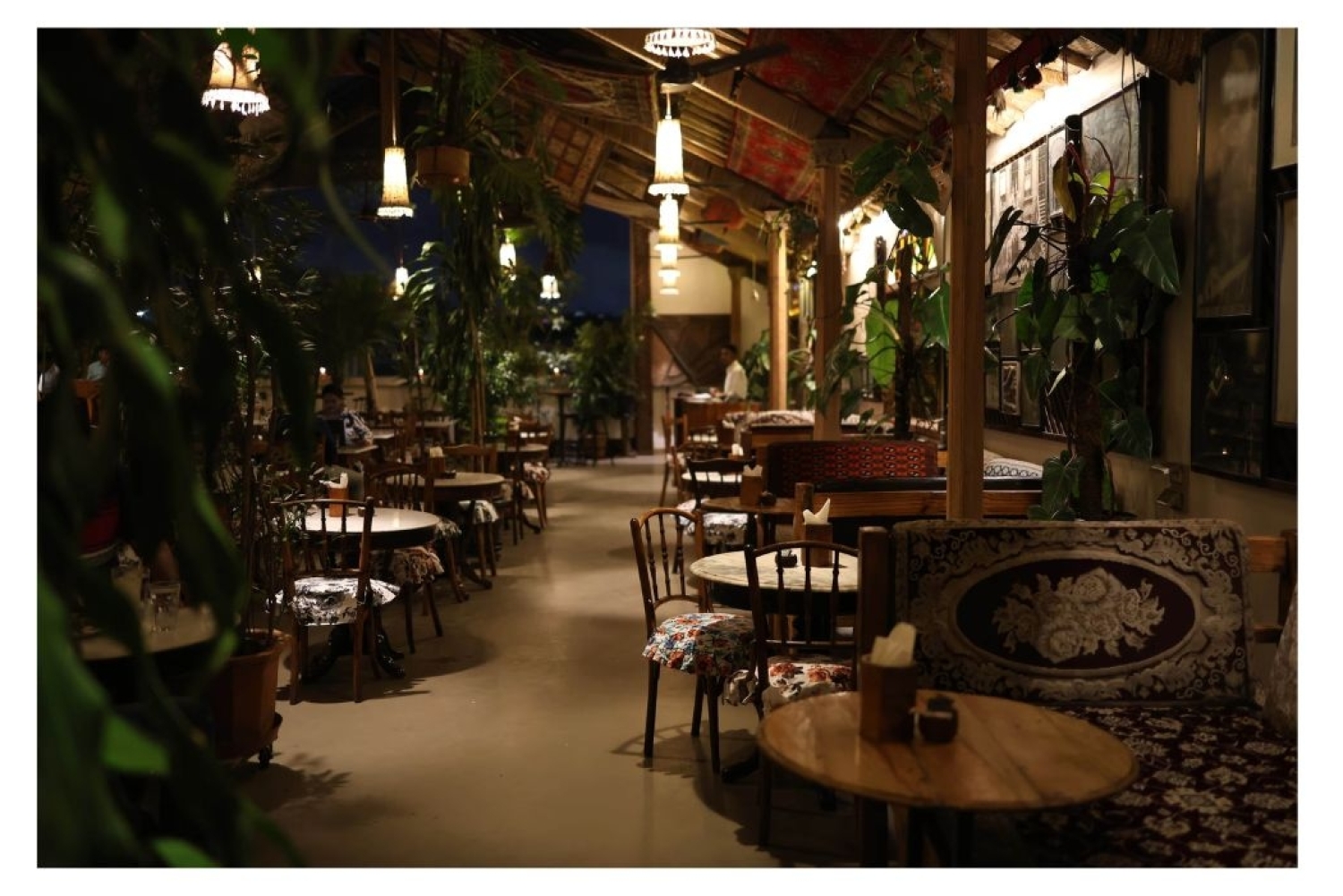
Shisha Cafe, Pune. Image Credit: Zomato.
Shisha Cafe, Pune. Image Credit: Zomato.
In 1935, the violinist Leon Abbey led an all-Black American jazz band into the ballroom of Mumbai's Taj Mahal Palace Hotel, the first jazz residency the city had seen. The crowd: British colonials, Indian merchants, returning diaspora, took to it instantly, and the sound stuck. Big bands and swing orchestras went on to define Bombay and Calcutta's most prestigious rooms through the 1940s and 50s, before Hindi pop and the decline of club culture pushed jazz into smaller spaces from the 1970s onward: eateries, tucked-away restaurants, neighbourhood haunts. Some of those rooms are still open. Here are the oldest of them.
Trincas Restaurant & Bar, Kolkata
Since 1927
Trincas is Kolkata's legendary restaurant-cum-nightclub on Park Street, combining Szechuan cuisine with live music. It became India's most exciting live music venue in the 1960s-70s, hosting the country's most loved and legendary crooners. Founded in 1927 by Quinto Cinzio Trinca and Joseph Flury as a confectionery, it became a tearoom in 1939. In 1959, Om Prakash Puri, Swaran Puri, and Ellis Joshua bought it and turned it into a restaurant featuring live floor shows. The 1960s-70s saw jazz virtuoso Benny Rozario and his band as regulars on the stage, and iconic musicians like Dick Morrissey performed. Jazz, which had defined the venue's identity, regressed after the 1970s but never disappeared entirely. Trincas's Weekend Jazz Lunches revived their jazz culture and introduced it to a new generation, the padded velvet backdrop on stage unchanged, the Chicken à la Kiev still on the menu. Nearly a hundred years after a Swiss confectioner opened a tea room on Park Street, the music plays on.
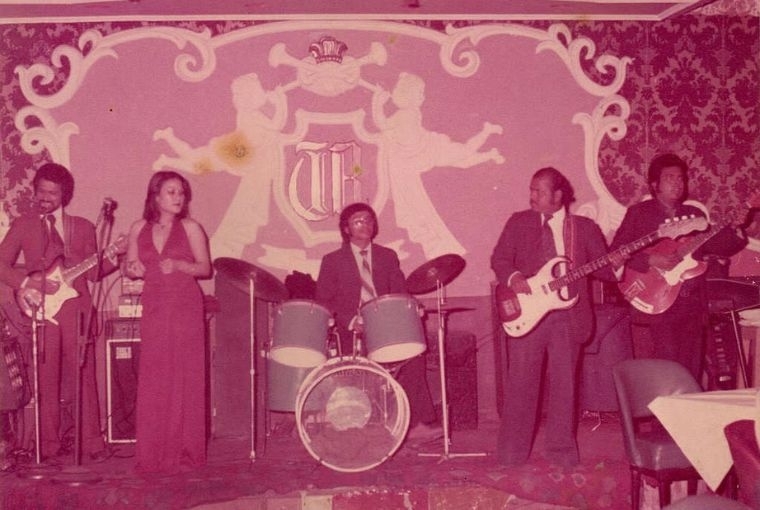
Trincas Restaurant & Bar, Photo by Trincas.in
Shisha Jazz Café, Pune
Since 2003
Pune is not a city you'd immediately associate with jazz, but it is home to India's first jazz-dedicated café, and Pune's oldest, Shisha Jazz Café. Born out of a mutual love for music that founders Iranian chef Mehdi Niroomand and Prithvi Chitnis shared, the cafe has offered live jazz, blues, and rock performances alongside Iranian cuisine since 2003. Shisha hosts live jazz sessions every other night and has become an institution of its own: a weekly ritual for a loyal crowd that includes longtime regulars, old souls, college students and the occasional musician who wanders in and ends up on stage. Shisha has moved premises over the years, but its regulars have followed. The Shisha International Jazz Festival is an annual affair here, featuring international jazz artists such as Russian saxophonist Igor Butman. Now, more than twenty years in, jazz in Pune still has somewhere to go on a Thursday night.
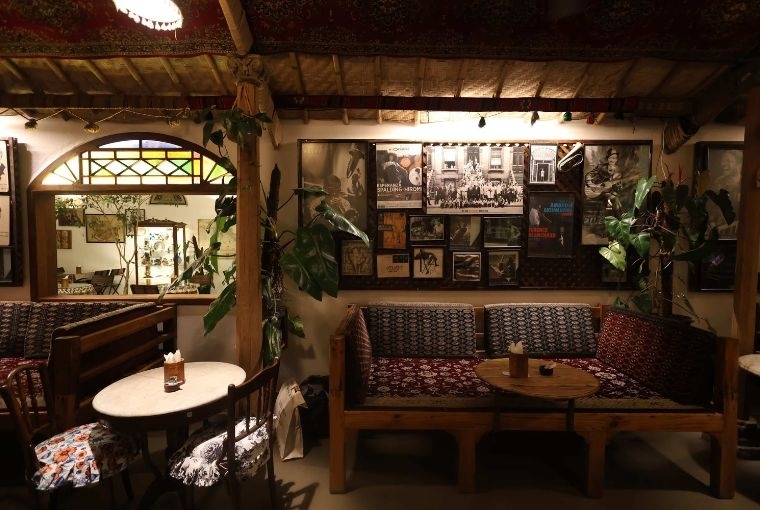
Shisha Jazz Cafe, Image Credit: Zomato.
Gaylord, Mumbai
Since 1956
The name is a portmanteau of (Iqbal) Ghai and (Pishori Lal) Lamba, the two partners who founded it in 1956, and Gaylord has since been an indispensable part of Mumbai’s cultural fabric. In its heyday (1960s), it played host to numerous prominent personalities, international jazz bands, and many a grand celebration. Jazz violinist Ken Cumine and his daughter, Sweet Lorraine, hosted jam sessions every Saturday and Sunday during coffee hours. Through the late 1950s and into the 60s, Gaylord was where Bombay's social life converged, from introducing formal ballroom dancing and live bands in the jazz age to being the go-to social gathering hotspot for many celebrated artists. Over 150 original black-and-white photographs from that era line the walls today. At the newly renovated Gaylord 2.0, owners Dhruv and Divij Lamba continue the restaurant's jazz legacy, with a grand piano that is very hard to miss when you enter.
![The Oldest Notes of Jazz in India Gaylord Mumbai, Photo by Vinayak Grover [Architectural Digest India]](/uploads_platform/article-image/C760-the-oldest-notes-of-jazz-in-india-9943.jpg "The Oldest Notes of Jazz in India Gaylord Mumbai, Photo by Vinayak Grover [Architectural Digest India]")
Gaylord Mumbai, Photo by Vinayak Grover [Architectural Digest India]
The Rice Mill, Goa
Since 1955
Originally built in 1955 as a local rice mill in Morjim, the structure stands as a hidden gem, its rustic soul preserved through the careful hands of architect Raya Shankhwalker, who saw in its exposed laterite walls and art deco grills the potential for something far more than a coffee shop. Upon restoration, the Rice Mill became a platform for young Goan musicians, augmenting the inheritance of a state that has produced some of India’s finest jazz musicians. Saturday Night Jazz at the space offers intimate gatherings of music, fun, dance, and conversation, where the distance between performer and audience dissolves in the warm setting. Every Saturday night, a village rice mill from 1955 fills with jazz and is worth stopping by for.
Words Nidhi Soni
Date 18.6.2026
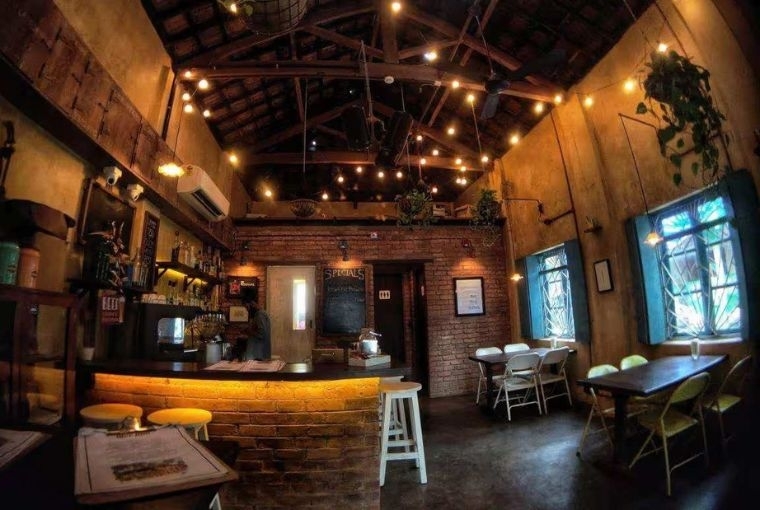
The Rice Mill, Image Credit: Zomato.