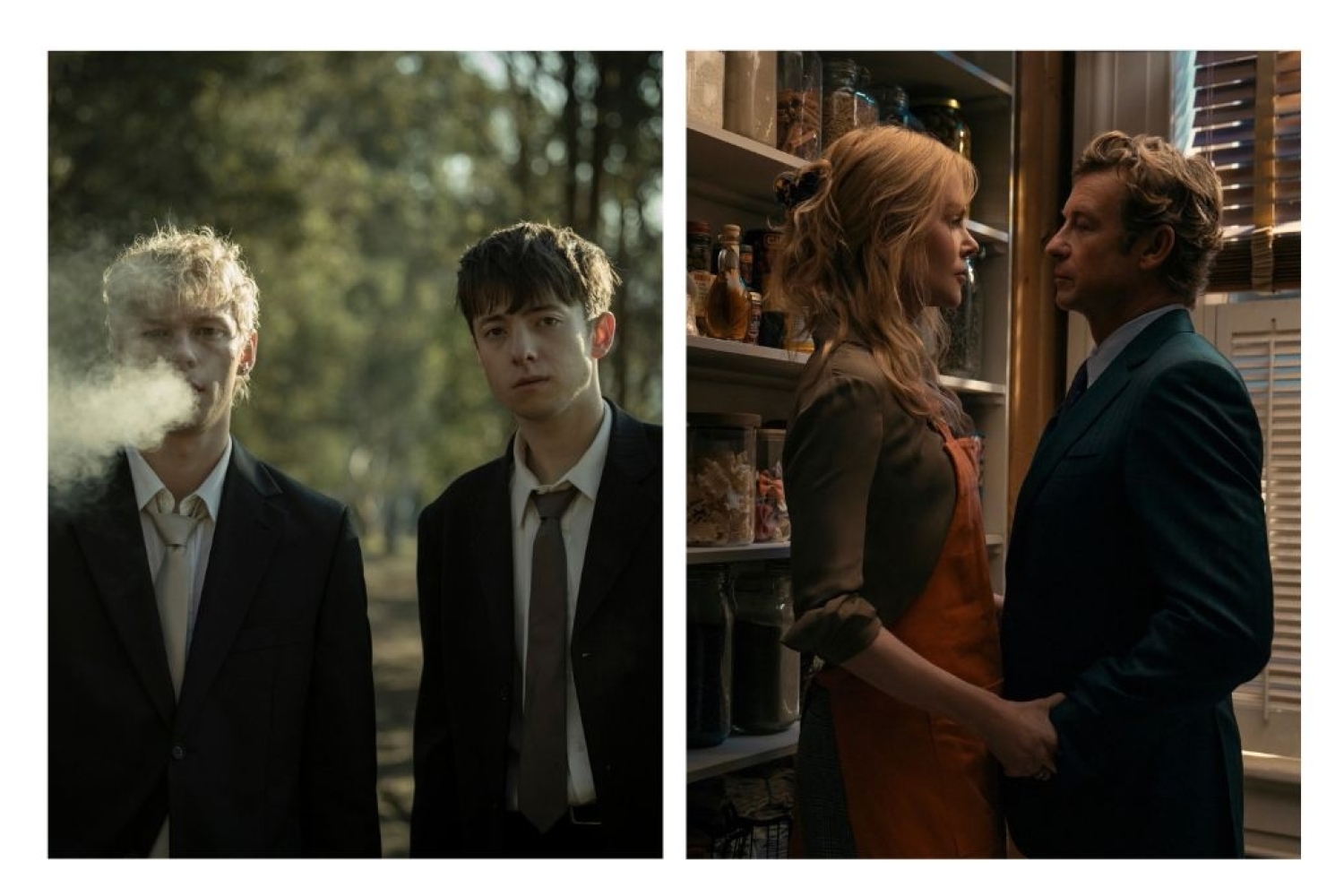
L: Leviticus R: Scarpetta
L: Leviticus R: Scarpetta
A film is driven by plot and characters. The screen depicts a landscape and an actor delivering their dialogue, at times accompanied by background scores. Here, the character’s apparel plays a significant role. It acts as a catalyst or sometimes a foreshadowing element in the scenes. Highlighting the emotions of the scene, the message of the director, a hint to the audience. Below is a list of costume designers who define characters through apparel, adding charm to the respective films/dramas.
Zohie Castellano
Australian costume designer Zohie Castellano approaches her work with an ‘anthropological eye.’ She begins each project by grounding the visual choices in the story’s emotional core. For her recent work in Leviticus (2026) Zohie combined social-realist aesthetics with symbolic details from drawings on religious iconography, Goya paintings and textured fabrics that evoke a subtle ‘disease quality’ to mirror both desire and communal zealotry. By developing a restrained, muted colour palette, she charts the emotional journey of the teenage protagonists while reinforcing the film’s haunting Australian Gothic atmosphere.
Ane Crabtree
American costume designer Ane Crabtree is recognised for turning costumes into cultural symbols (as with the Handmaids’ red capes), for blending fine-art sensibility with fashion-industry rigour, and for using design as a form of “quiet uprising” that supports actors and amplifies themes of power, gender, and resistance. Ane’s creative process involves diving into music, street fashion, history and the emotional “bones” of a person’s childhood and trauma to shape a wardrobe that feels lived-in and true to the story’s inner life. In her recent work on the 2026 series Scarpetta, she extended that process to build clothing that externalises backstory, professional identity, and psychological tension.
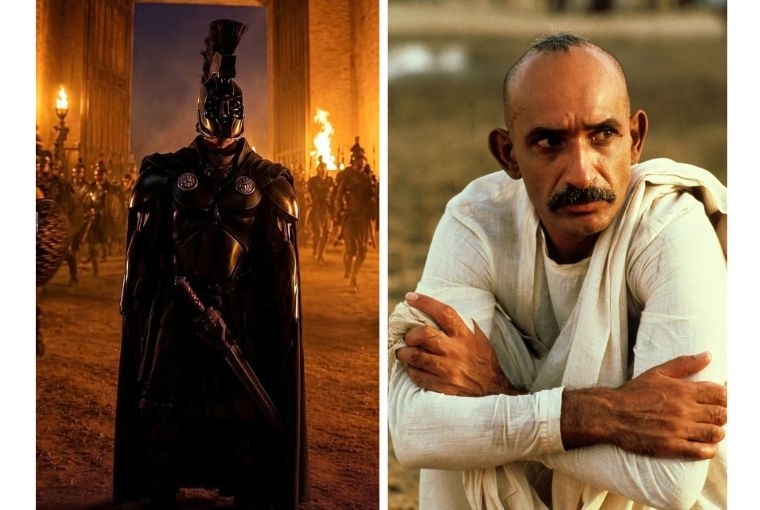
L: The Odyssey R: Gandhi
Bhanu Athaiya
Bhanu Athaiya pioneered a research-led, character-first approach to costume in Hindi cinema and international productions such as Gandhi, Lagaan, Guide and Waqt. Her process began with deep archival and on-the-ground research, studying history, regional dress and local communities. Followed by precise sketches that were then translated into garments tested for movement, comfort and emotional truth before ever reaching set. Bhanu is best known for elevating costume design into a disciplined art form in India, for her meticulous historical accuracy and regional specificity. Especially for becoming the first Indian to win an Oscar (for Gandhi, 1982), all while treating costume as integral to narrative.
Ellen Mirojnick
Ellen Mirojnick is known for shaping iconic looks across contemporary thrillers, period dramas and large-scale spectacles such as The Greatest Showman, Bridgerton and more. Her process begins with the text and the director’s vision, then dives into developing the visuals through fine art, photography, fashion and historical material which she distils a load of into storyboards and mood collages. Her recent work, The Odyssey (2026) builds costumes that serve narrative clarity, a prominent example being the character Agamemnon’s costume. Adding it to the list of architectural and silhouette-first aesthetic wardrobes she has designed over time.
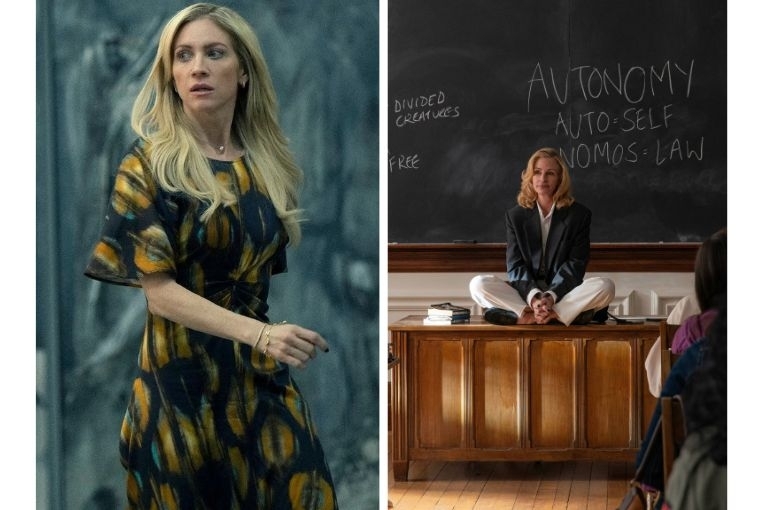
L: The Beast in Me R: After the Hunt
Arjun Bhasin
Known for his painterly use of colour along with his seamless movement between Bollywood and Hollywood, Arjun Bhasin's process begins with the script and deep visual research: colour palettes and textile banks for each character. So the costumes feel historically and emotionally grounded before any garment is chosen or made. Arjun’s work in The Beast in Me utilises restrained silhouettes and carefully controlled colour schemes to reflect inner conflict and narrative tone rather than overt fashion statements. The costumes reflect his excellence in treating costume as a collaborative, actor-centred tool that shapes performance as much as appearance.
Giulia Piersanti
Italian costume designer Giulia Piersanti is known for her psychologically nuanced, character-first approach and her long-standing collaboration with director Luca Guadagnino. In After the Hunt (2025), for example, Giulia deliberately avoids comfort, femininity and bright patterns for Julia Roberts’s professor, crafting a restrained, slightly masculine power-dressing look to convey constrained authority and intellectual intensity. She is especially recognised for blending in industry expertise (her role as head of knitwear at Celine and now Alaia) with cinematic storytelling.
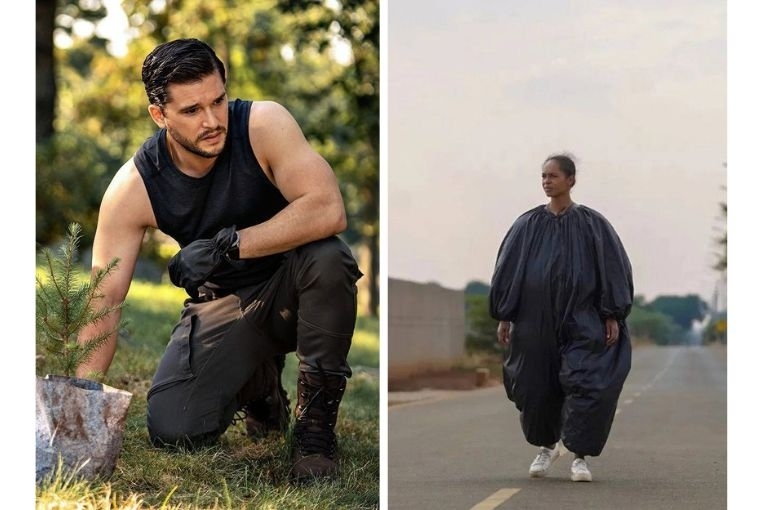
L: Extrapolations R: On Becoming a Guinea Fowl
Nancy Steiner
Nancy Steiner approaches her work with a thought to how a person uses clothes: as armour, disguise or authentic self-expression, then tests those ideas in fittings with actors. In recent work on Government Cheese and the climate-change anthology Extrapolations, Nancy extended this method by emphasising sustainability and realism, sourcing heavily from thrift and vintage shops while imagining how weather, class and near-future scarcity would shape everyday wardrobes. She is especially recognised for a subtle, authentic aesthetic that avoids flashy “costume-y” looks and for her long collaborations with directors like Sofia Coppola and David Lynch.
Estelle Don Banda (also credited as Don Estelle Mantel)
Estelle Don Banda, a designer from Zambia is known for culturally grounded work in the critically acclaimed 2024 film On Becoming a Guinea Fowl. For this project, she focused on the reality of mourners wearing the same outfit for days, incorporating it into her design decisions so that every costume expressed the character’s personality and inner conflicts with minimal wardrobe variations. Estelle prioritises authenticity and comfort so that the actors can feel ‘relatable’ onscreen and give their most natural presentations.
Words Shruti Verma
Date 29.9.2026