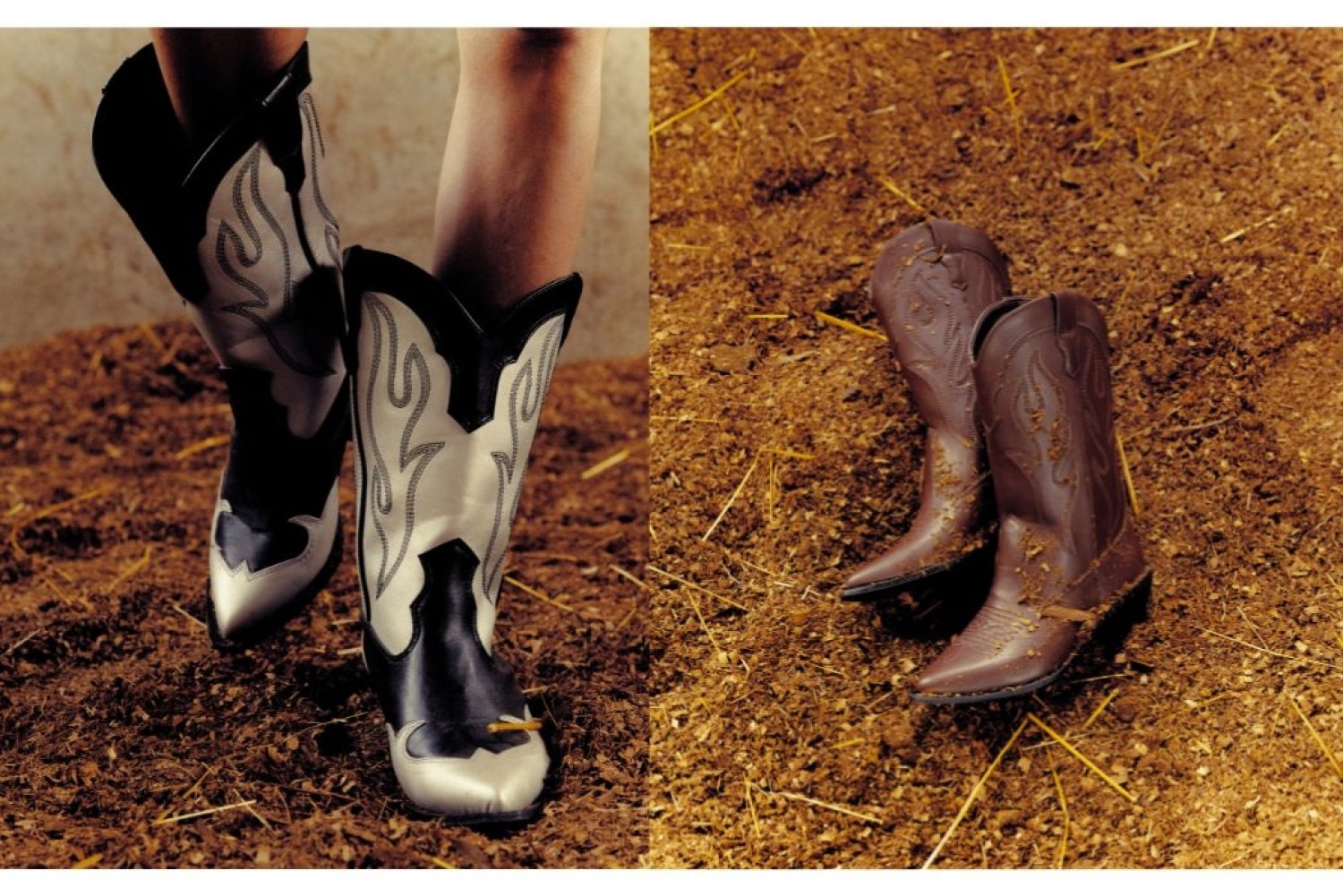
Photos by Farhan Hussain
Photos by Farhan Hussain
‘I hope the leather softens, the edges wear down, and the creases deepen.’ When designer Vamakshii Chauhan couldn't find a pair of boots made from consciously chosen materials, she decided to make them herself. Operating between Mumbai and Paris, she launched Ferrier, a thoughtful and independent footwear label that's all about its rugged riding boots, frontier-inspired silhouettes and uncompromising material research. With her brand, Vamakshii wants to ask bigger questions about how things are made, what we choose to keep and why the objects we live with matter. In my conversation with her, she reflects on curiosity, craft and building a brand that grows ‘wilder’ with time.
Can you take us back to your childhood and early experiences? What shaped your creative eye?
I've always been drawn to making things. As a child, I painted, sketched, covered walls I probably wasn't supposed to, and constantly asked why. I don't know if there was one defining moment that shaped my creative eye. I think art simply became the way I understood the world. Even now, I'm far more interested in asking better questions than finding definitive answers. I suspect that will be a lifelong pursuit.
I never set out to build a footwear label. Ferrier happened because I was searching for a pair of boots made from alternative materials and couldn't find one that felt considered enough. So I began making them. I remember the first time I sat on a horse. I must have been eight. I climbed on barefoot without thinking much about it. I remember the wind more than the ride itself. When I climbed down, my feet were bruised and bleeding. Looking back, I sometimes think that was my first lesson in what a boot is really for. Not to separate you from the wild, but to let you walk through it.
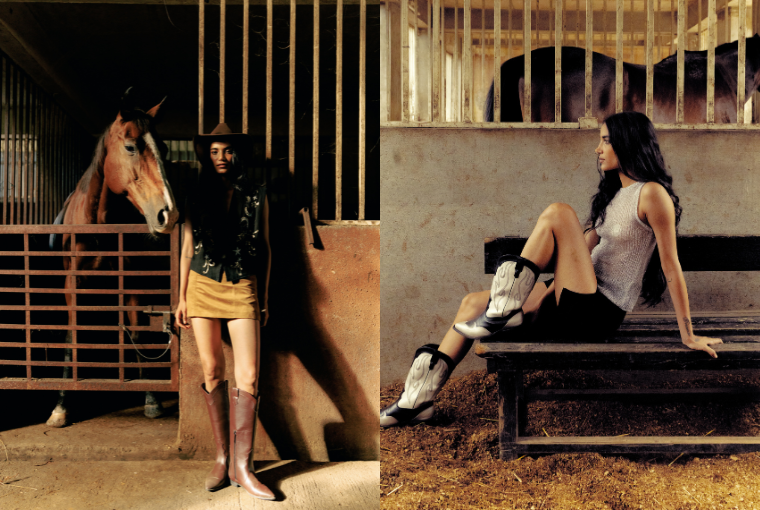
Photos by Farhan Hussain
Ferrier has a very strong visual identity. How did you arrive at the brand’s visual world?
I don't think an identity is something you construct. It's something you recognise, little by little. It reveals itself over time. If you're paying attention, it should still be able to surprise you. I'm often drawn to older ways of making and seeing. Analogue photography, printmaking, archival processes, paintings, old books. Things that carry traces of resonance. Over time, they've become an archive we keep returning to. It’s about finding a medium that feels faithful to the feeling we are trying to translate, rather than trying to create something beautiful for its own sake.
How would you describe the Ferrier customer?
They know that a life fully lived rarely stays pristine. They aren't afraid of getting their hands dirty. They respect the land they walk on, and understand that the most meaningful things are shaped through time, patience and care. They carry a certain kind of grit, softened by gentle hands, and find beauty in the breaking of becoming. Above all, if you could dress yourself in anything, let it be a good heart.
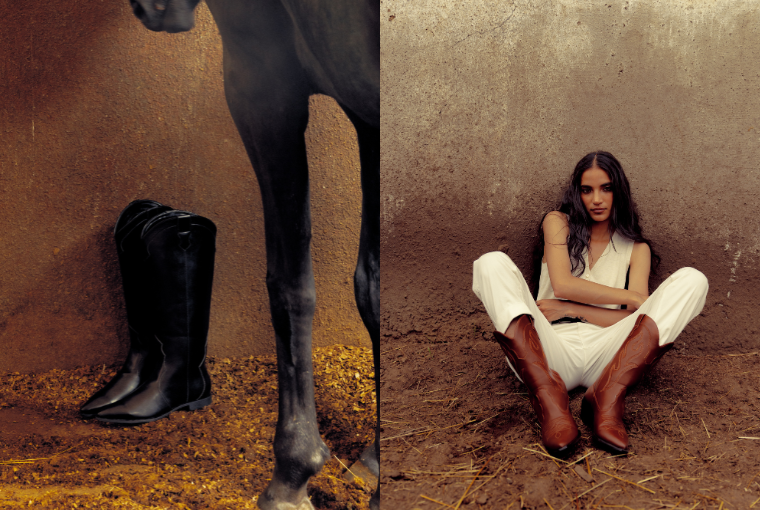
Photos by Farhan Hussain
You work between India and Paris; how do both the fashion markets shape the way you think about the brand?
While Ferrier is rooted in India, we've had the opportunity to showcase the brand in Paris, London and Hong Kong. Every city has its own nuances, culture and way of dressing, so we thoughtfully curate our collections for each market. What I keep coming back to, though, is how conversations are often more universal than the markets themselves. They're looking for a relationship with the things they bring into their lives, not just the object itself. They want to understand its making, its material, and the thinking that shaped it. Every place has given us a new perspective, but it's also made us more certain about the things we never want to let go of.
Where do you find your creative inspiration?
It almost always starts with the material. That's usually my north. I'm interested in understanding what it's capable of before deciding what it should become. Sometimes it's a boot. Sometimes it wants to become something else entirely. It feels like a constant pull and push between the idea in my head and seeing how far the material is willing to go. We prototype a lot. We fail a lot. I think that's probably most of the process, if I'm honest. You make something, live with it for a while, realise it isn't quite right, and begin again. I don't really believe a piece is ever finished. At some point, you simply decide to let it go.
A lot of that thinking happens at the ranch. Life there has a way of simplifying things. Nothing moves in straight lines, yet everything somehow finds its rhythm, and there's something incredibly grounding about that. Being out there makes you realise the wild isn't simply a source of inspiration or material, but something living that you're creating with. Every now and then, you're lucky enough to fall into that rhythm too.
Ferrier speaks the language of craftsmanship, luxury and sustainability. How does the brand ingrain these ideas?
The way we make, the materials we choose, and the stories we tell are all expressions of the same belief. Craft, for us, has never only been about making a shoe. It's about the act of making by hand, whatever the medium happens to be. Whether that's hand-lasting a pair of boots, creating a cyanotype, or printing a film by hand, they're all part of the same language. The most beautiful objects are the ones that are lived with. Made to measure. Worn in. Repaired. Passed on.
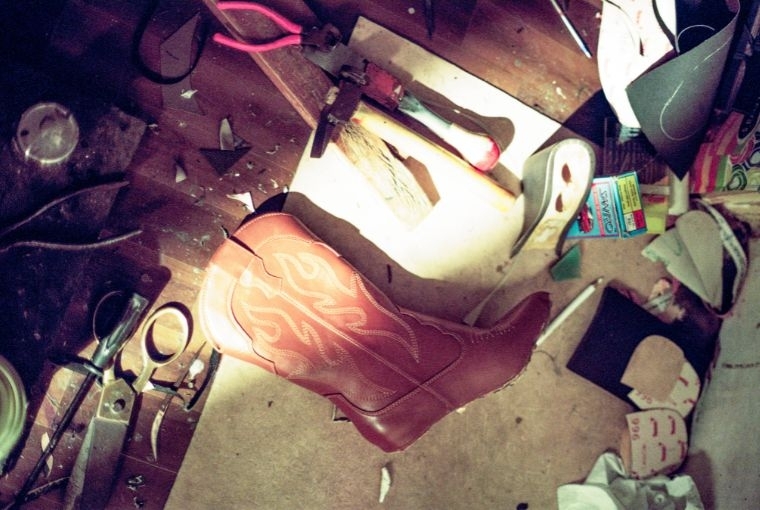
Photo by Film Lab India
Can you tell us about the artisans behind the brand and their role in bringing your designs to life?
We work with artisans who've been practising their craft for over two decades. I often arrive with ideas that seem impossible on paper, and they've taught me how to ground them in reality. The relationship has always been more of a conversation. What began as me asking questions has slowly become all of us asking them together. Now they're often the ones calling me over to suggest a better construction, a way to reduce waste, or a small change in the making that improves the piece. Working alongside them has been one of the most fulfilling parts of building Ferrier.
Ferrier works with bio leather, vegan leather, and recycled plastic. How do you source your fabrics and materials?
Most of our materials are sourced within India. We work with small studios, material innovators, natural fibre producers, and handloom and craft communities, all of them doing remarkable work, and have spent years immersed in what they do.
What have been the biggest lessons in building Ferrier as an independent label?
You fail. A lot. Things take longer than you imagined. You question yourself more than you'd like to admit. I've realised that's just what building something looks like. You keep showing up. You keep making. You begin again. Every now and then, I'm left in awe, in wonder, at the quiet magic of how it all unfolds in ways you could never have planned.
When someone wears a Ferrier, what do you want them to feel? What kind of meaning do you want the brand to hold for them?
I hope it gives people the courage to keep chasing the things they were created for. To say yes a little more often. To take the longer road home. To leave room for wonder. I hope the leather softens, the edges wear down and the creases deepen. That they gather the quiet evidence of ordinary days, simple joys and beautiful mistakes. Because life has a way of leaving its marks. I hope they come to love them. And what a privilege it would be to walk alongside someone, even for a little while.
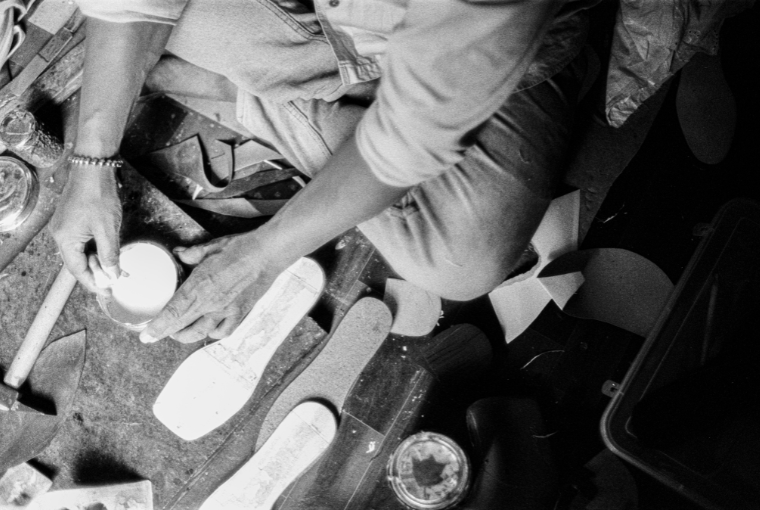
Photo by Film Lab India
What are the long-term goals for the brand?
I have a few dreams, but I've learnt not to hold them too tightly. And to leave a little room for the unexpected. What I do know is that I hope it continues to grow into a multidisciplinary practice, where craft, material research, storytelling, community and technology naturally weave together.
Beyond that... who knows? It’s a wild ride.
Lastly, what is next for Ferrier?
We're experimenting with new materials, working with crafts we haven't had the chance to explore before, and giving ourselves the time to really live with those ideas before deciding what they want to become. I don't think the next chapter will feel like a new direction so much as a natural continuation of a conversation we've been having all along.
Words Nidhi Soni
Date 31.7.2026