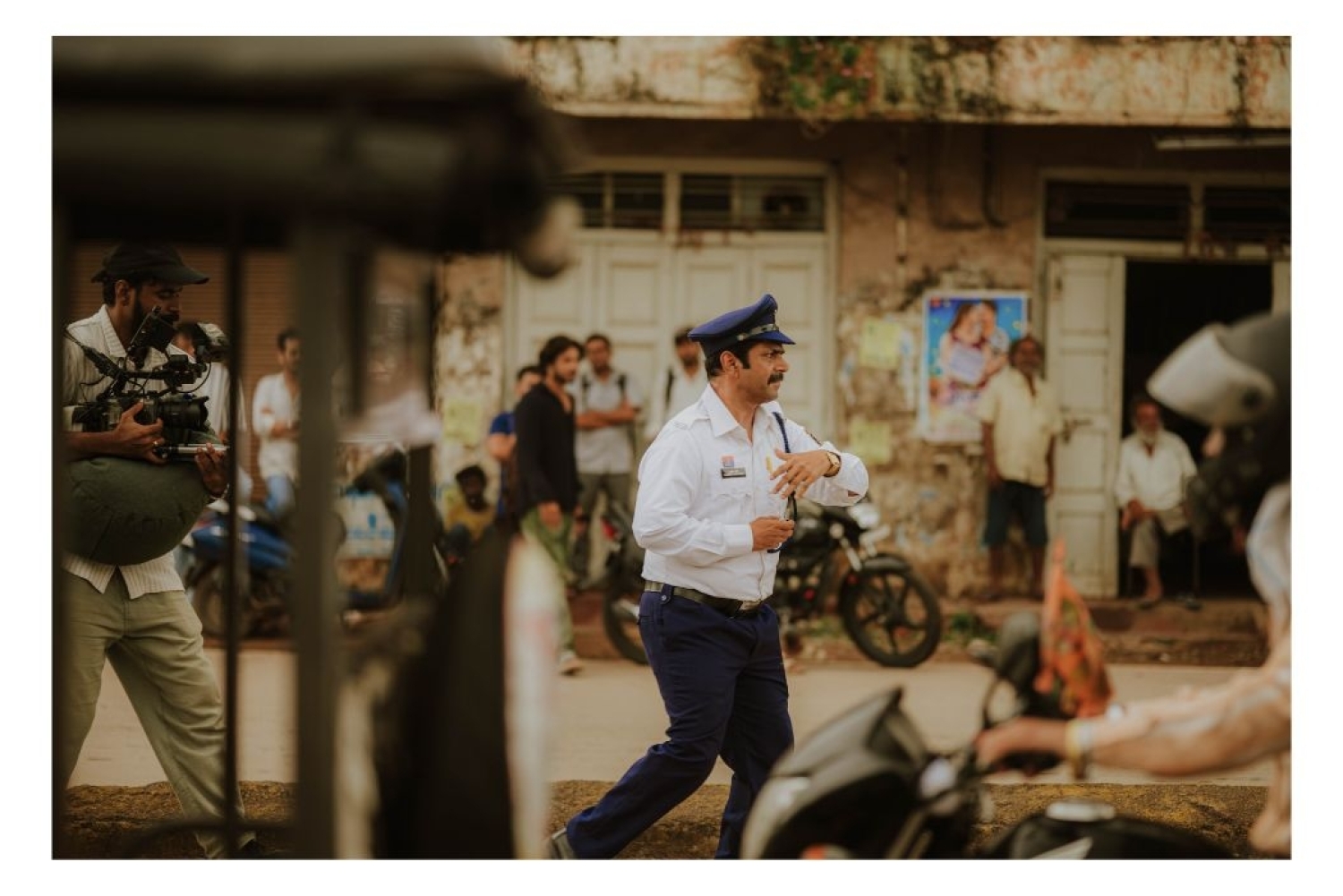
Tej Sisodia grew up in Tarauli Shumali, a small village in Mathura, the son of a farmer who still works the family fields. In a village like his, dreams stayed small, a government job was often the biggest anyone could dream of. Filmmaking was not even on the map. Yet somewhere between watching Mahabharata with the entire village crowded into one room and renting a VCR for Sunny Deol films, cinema found its way into Tej’s life, long before he had the language for it.
His first short, Raakh, about a child confronting death for the first time, was shot in his own family home. It became the film school he never had, taking him to festivals around the world and convincing him that storytelling was not a detour from his life but the whole point of it.
That same instinct for stories drawn from lived reality runs through his recent work. Avni looks at a girl’s right to education in a country still shaped by old conditioning around marriage and family duty. It’s Only 47°C turns to the people most exposed to India’s rising heat: daily wage workers, street vendors and traffic police, shot in the middle of Raipur’s punishing summer. The film found support in Naseeruddin Shah, who has helped push the film far beyond a conventional festival run. The film has featured at London Climate Action Week, Mumbai Climate Week and the Climate Asia Conference, been used to train journalists across five Indian cities, and been screened for students, municipal officials and climate interns alike. More from Tej on his films and stories below.
Avni
While growing up in my village I had seen thousands of girls being denied their right to learn and grow. With some families it was about the money, but with most of them it was years of conditioning, a belief that girls are always meant to go away after marriage and that it is boys who will stay with them and take care of their families and are therefore deserving of an education another resources. These stories stayed with me since my childhood. Avni was the first step towards the kind of change I want to see in our society.
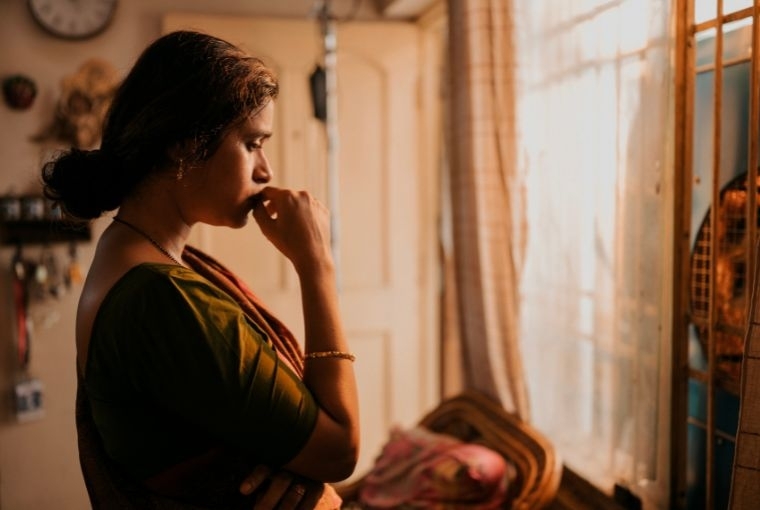
It’s Only 47°C
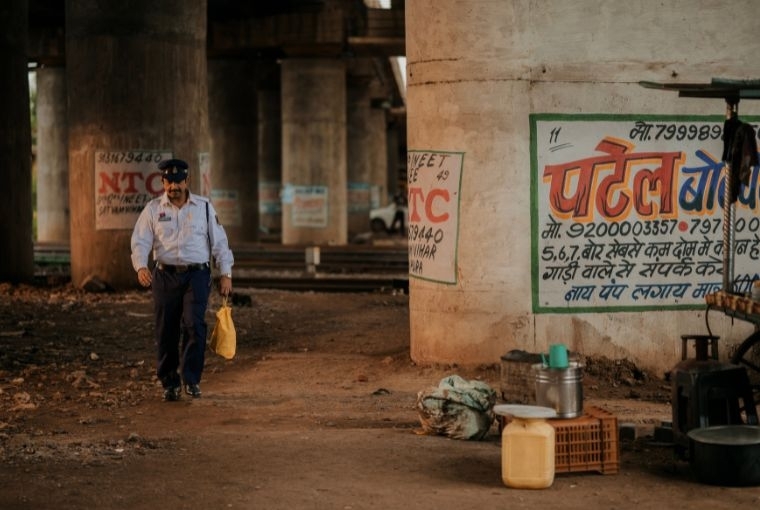
This film is among the most relevant stories I have written, and especially at this point. The journey of this started with my frequent conversations with Harish Borah, my long-time friend who works in the climate-action space. He used to tell me how heatwaves are impacting our country and helped me notice/ focus on how the most affected are the less privileged citizens in our cities. In 2024, while in conversation with Harish I realised how deadly the heatwaves had become that year. Countless people were being reported dead and a lot of them suffered symptoms of heatstroke. I wanted to write a human story around extreme heat’s unequal impact on our society based on class and privilege. The film explores the silent suffering of the most vulnerable section of our society that is also the most exposed to extreme heat: daily wage workers, street vendors, traffic police personnel, and others who work under the blazing sun.
Questioning Lived Realities
Honestly, cinema has the biggest reach in the world today with everyone carrying a miniature screen in their hand. Avni is about a Girl child’s right to education. We are living in the 21st century and still, millions of girls are denied their right to an education. Women are still trapped in traditional roles, slaving away in ignominy without a choice while bowing to familial and social pressure. Education then can become their ladder out of the well and it is a critical part of improving society in India. It’s Only 47°C is about how fast the world is changing. This year we are suffering one of the longest summers; temperatures are rising to 50°C in hundreds of cities across our country. All I am trying to do is tell stories that make us question the lived realities of our society. Telling relevant stories inspires me; it keeps me alive as a storyteller. Come what may, I will keep telling stories that are experiential truths but are never addressed in the largest and most powerful medium that exists today. More than lessons, these are feelings and stories that I experience and wish to communicate, even if it is into the vast emptiness that is the Sea of ‘Content’ that surrounds us. This is my part, as a storyteller, and I will do it to the best of my abilities.
This is an article from the August EZ. For more such stories, read the EZ here.
Words Hansika Lohani
Photography [Film Stills] Umesh Suryavanshi