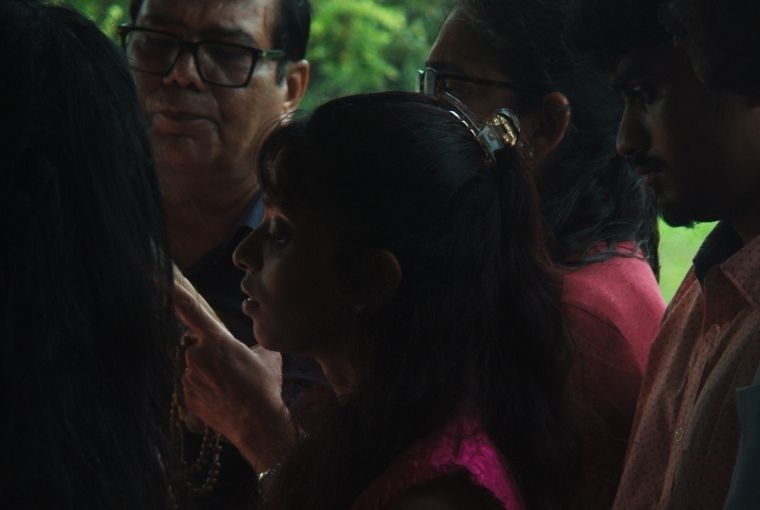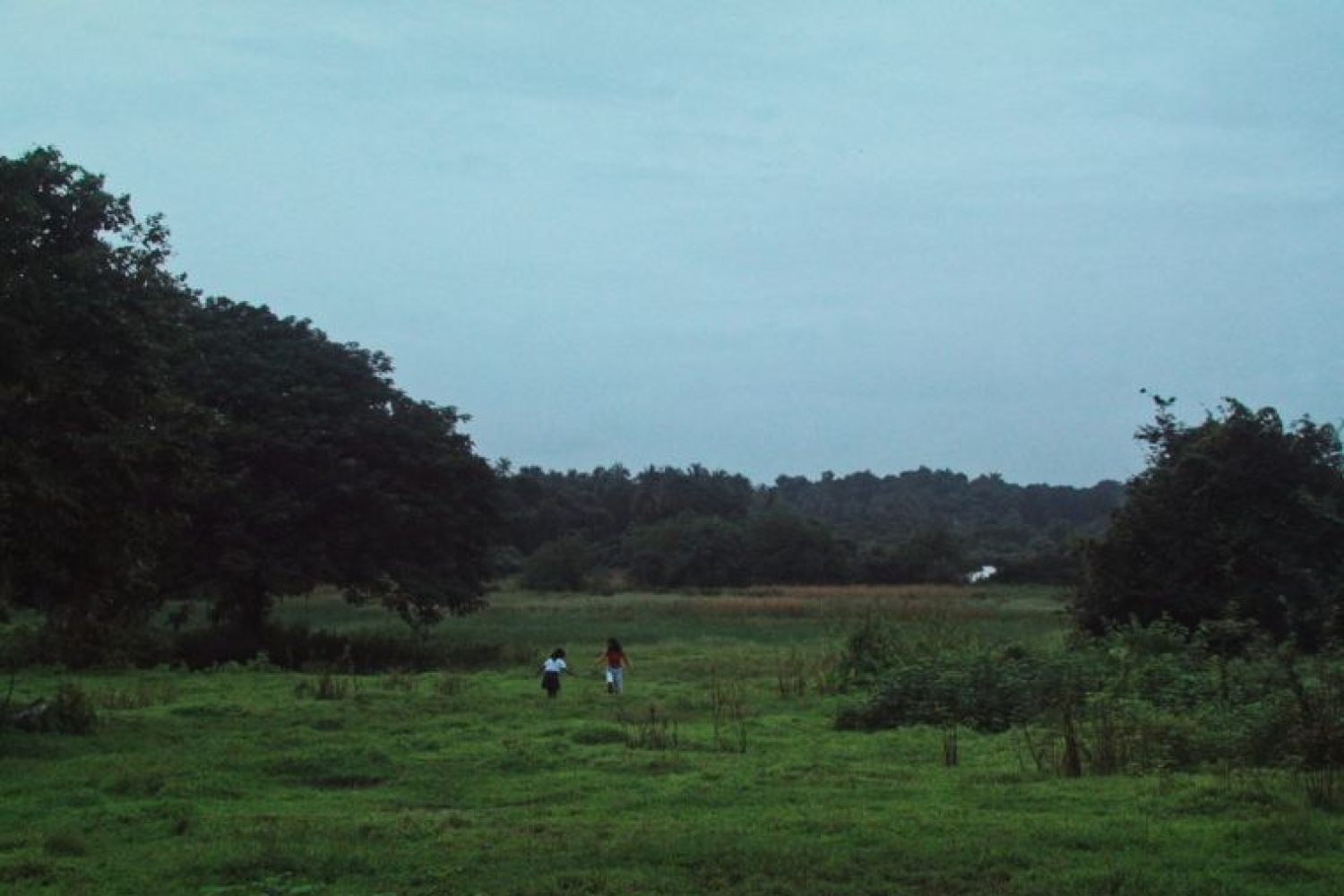
A teenage girl in a Goan village in the late 1990s finds out what desire feels like and tells no one. Nobody explains it to her, so obviously there is shame and no understanding of it. Salt Electric is about that secret discovery. It is a short film set in a Konkani-speaking Catholic household in Goa during the monsoon. Filmmaker Paromita wrote it from her own adolescence and shot it in a village in Goa with very little money but a lot of friends. Even when the rain leaked through the roof directly above the camera, the crew simply held an umbrella indoors and they kept rolling. Since its screening at the Busan International Film Festival, the film has found audiences far from Goa who tell her their own versions of the same story.
Paromita's own story with cinema began on a stage.
‘A few of us in college got together and formed a theatre group. We wrote our own plays, drawing from things that preoccupied us and from our personal experiences. So storytelling came first for me.’ Watching world cinema made her curious about what else could be done with images and sound, which led her to film school. ‘It wasn't one particular film or moment. It was a gradual journey from theatre and storytelling towards cinema.’ What keeps her there is close to need. ‘Even when I am not making films I am watching them. It feels like survival in this crazy world,’ she says, calling film ‘an empathy machine’. Here she talks about bringing the 1990s back to life in the rain and about finding tenderness where there was once only shame.
What was the stretch between your early films and Salt Electric like? Were there projects that never happened or lessons from that period that shaped this film?
My earlier films were mostly hybrid documentaries, which involved years of working with communities and drawing from my interactions with real people. But with Salt Electric, I moved into a completely fictional world, even though the story itself draws from real events that happened to me while growing up. Each work informs the other. I started as a documentary cinematographer and filmmaker, after which I moved to screenwriting, which I love immensely, and that gave me a very grounded and rooted way of working, which I now bring into the fiction space. At the same time, even while making documentaries, fiction films were always informing my work and becoming my references. What fascinates me about cinema is that it allows you to create alternate realities, and that's something I really love exploring in the stories I tell.
Our team was working on my feature film, ULTA, and as we know, in the independent cinema world, getting a feature film made can take a really long time. You have to wait until all the funds come together, and it's a very difficult journey of self-doubt, waiting and constantly wondering whether your film will actually get made.
So, while we were waiting for the feature, we decided to make a short film. My friend Jall Cowasji, who is also the very talented cinematographer and editor of Salt Electric and lives in Goa, he and I decided to go ahead and make something with the community here. Over the past few years, a community of filmmakers has grown in Goa, and everyone was incredibly helpful and generous in coming together to make this film possible. Without them, there really wouldn't be a film. It was also an exciting challenge to see what we could do with very limited resources. It's a small film, made in a village in Goa, with the people who live there. And I think that's something very special about the whole experience.
How did the story Salt Electric come to you?
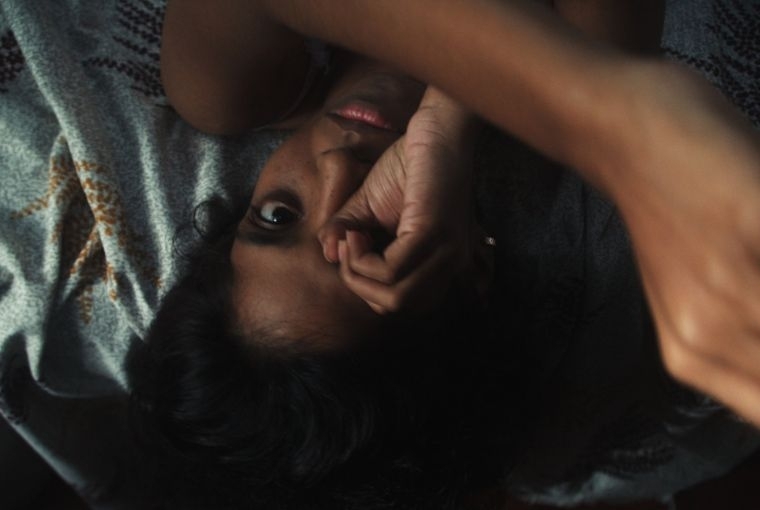
Salt Electric came from a memory. It is based on something that actually happened to me when I was a teenager, growing up in India in the 1990s. So, in many ways, I was going back to a part of my own adolescence. The film actually began with an invitation from Mauli Singh, a dear friend of mine who is an actor and producer. She had asked a few women writers to write short scripts around the theme of female desire for an anthology. I remember thinking that the best way for me to approach it was to look inwards, at my own experiences and memories. And that's how Salt Electric came about.
I wrote the script, but then it just sat in my Google Drive for some time! It wasn't something I was actively trying to make. Last year, when we decided to make a short film together before moving on to our feature, we found ourselves returning to this script. It felt like the right time to bring it to life. So, I suppose the film began as a very personal memory, became a screenplay almost by accident, and eventually found its way to the screen.
You set it in a Konkani-speaking Catholic household in rural Goa in the late 1990s during the monsoon. What did shooting in that setting and season demand of you and your crew?
I have been living in Goa for almost a decade now, and I have always wanted to explore its landscape visually through my films. So when we decided to make Salt Electric, I knew there was no other season for this story. It had to be the monsoon. If you have lived in Goa, you will know what the monsoon does to you. It affects your mind, your body and your everyday rhythms. I find it to be one of the most sensory seasons there is. Everything changes the colours, the smells, the light, the air. There is a certain feeling that comes with living through a Goan monsoon that I wanted the film to carry.
Of course, shooting during the monsoon was quite difficult. We constantly had to work around the rain and its unpredictability. I remember one particular scene where, after all the setup was done and we were finally ready to roll, we discovered a leak in the room, right at the exact spot where the camera was placed! So we had to quickly hold an umbrella indoors while shooting. There were many such incidents where we had to think on our feet and come up with quick solutions. But we were also lucky that everyone in the cast and crew lived in Goa. We were a team of friends who had all lived through many monsoons, so in a way, we knew what we were getting into and how to deal with the challenges that the monsoon brings.
You’ve said yourself that you were surprised to see how much people were interested in watching this kind of story… what did you hope for the audience to take away from this film?
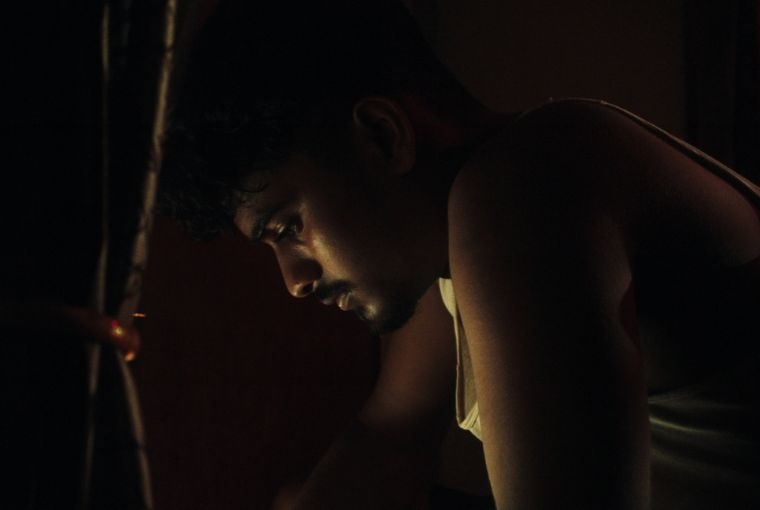
I think when I made Salt Electric, I was looking at a very specific memory from my own adolescence. I wasn't really thinking about how people might connect with it. So I was genuinely surprised by how many people seemed to find something familiar in it starting from the cast and crew while shooting. Every time people after watching the film have narrated their own versions of these discoveries from their adolescence. Nowadays that every curiosity is a click away, it's a good time to look back at a time when access was limited but we still found our own ways.
I suppose what I hoped for was for people to reconnect with a part of themselves, perhaps a memory, a curiosity, or a feeling from their own growing up. Especially for women, I wanted to create a little space to look back at our younger selves and the ways we discovered desire, often in secrecy and without anyone to guide us. I didn't want to look at that experience with shame or judgement because back when i was going through it shame was attached to those feelings. I wanted to approach it with tenderness, and perhaps allow the audience to do the same. And beyond that, I hope the film leaves people with a sense that curiosity and that desire will always find their way through the restrictions we place around them. Sometimes, all we need is a little opening.
What do you find yourself returning to across your films, whether it is family or home or memory or silence? Now that Salt Electric has gone to Busan, what do you hope audiences far from Goa take from it?
I actually hope every film I make is different from the other. I really believe that the form should come from the story. Every story should find its own way of being told. But I do think memory plays a very important part in my writing process. I often find myself looking back at my own experiences and memories, and that's usually where something begins.
As for audiences, I have to say the Busan audience is incredible. They are such engaged and serious viewers of short films, which really surprised me. It was also in Busan that I realised that even though Salt Electric is set in a Goan village in the 1990s, people from completely different parts of the world could connect with it. I think that's the power of storytelling. It reduces the distance between different cultures and reminds us of how similar we are, despite where we come from.
I honestly just hope as many people as possible get to watch the film. What they take away from it is really not in my control. I just hope they come along for this little time-travel journey into secret desires and discoveries from another time, and perhaps find something of their own in it. That's all I can hope for.
Words Hansika Lohani
Date 5.11.2026