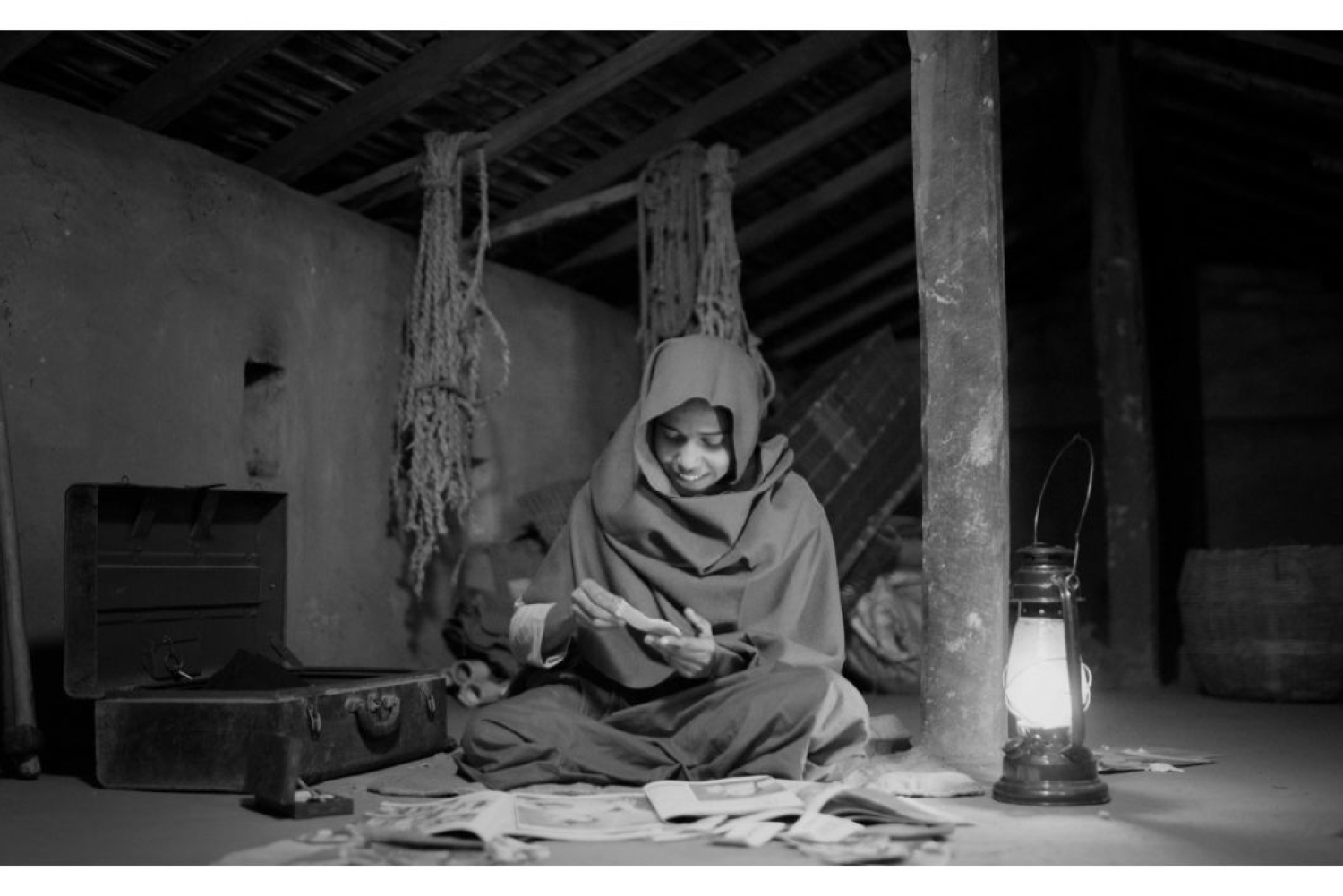
Piyush Thakur has about 20 years’ worth of movie ticket stubs stored somewhere, as he grew up on a staple diet of Bollywood cinema. This meant skipping classes to catch Friday morning first-day-first-show screenings when they were a thing, obsessively watching films on the VCR until it broke down, talking about films with the same passion as a critic, and eventually joining the herd of filmmakers at FTII in Pune. It won’t surprise you that Piyush’s debut film is about the magic of cinema. Called The First Film, and co-written with his childhood friend, Deepak Lohana, the short film won two major National Awards this year for its direction and music. The film tells the story of a 14-year-old girl in small-town India during the 1960s who defies a ban on women watching cinema. We talked to Piyush about the making of the film.
The First Film
The seed of The First Film was planted in 2012 at the Clermont-Ferrand Film Festival in France, where my FTII student short Khara Karodpati (The Real Millionaire) was screening. Inside the theatre, I saw an elderly French couple; the was in a wheelchair, and he was gently helping her settle in to watch a short film program. Their joy and excitement were so pure. That image stayed with me, made me curious about their cinephile life.
It made me realize that love for cinema isn’t bound by age, gender, or language. I kept returning to that moment and connecting it with stories my grandparents told me about how eventful going to the cinema once was. When I shared this idea with my childhood friend and co-writer, Deepak Lohana, it started to grow into something tangible. We’ve known each other since school, and cinema has always been at the centre of our friendship. His emotional connection to the story gave the writing its depth, and together our shared memories became the heartbeat of the film.
Over the years, the story went through many versions and characters, but the core remained the same: the magic of watching a film in a theatre.
The Process
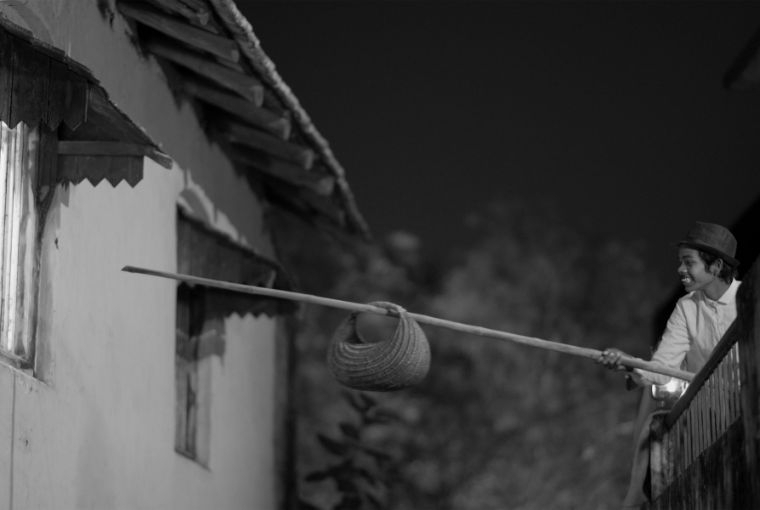
We must have written at least 15 versions. The story began as one about an older couple, then siblings, then grandparents, before it finally became about a 14-year-old girl discovering cinema for the first time. Because it’s set in the 1960s, research and world-building were crucial. We spent months watching Hindi films from the 1950s and ’60s; not like film students, but as audiences, trying to imagine what it must have felt like to experience those films back then. Deepak’s bond with his cinephile grandmother, who inspired the protagonist’s name, Devi, gave us a lot of texture and emotional layers. And honestly, a lot of writing happened during the editing too. The structure kept evolving, from the first draft in 2012 to the shoot in 2018 to the final festival cut in 2024. This film truly grew with us.
Finding Perspective
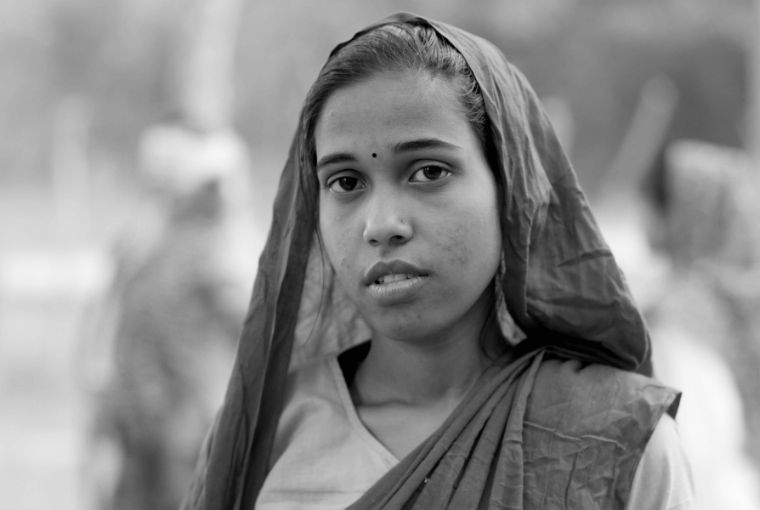
The reason for setting it from a 14-year-old girl’s perspective is that there’s something powerful about that age. It’s that in-between space of innocence and defiance. You’re old enough to dream, but still often dismissed by the world. That fragility made the story more tender and courageous. We always knew this film would only work if we found the right face, who didn’t just act but truly belonged to that world. My co-producer and FTII friend, Anadi Athaley, a celebrated film editor (Sabar Bonda, Borderlands), came to the rescue. He and his family, along with IPTA Raigarh, were pillars in making this film happen. Even though it was a short film, the production demands were comparable to those of a feature film, given that it was a black-and-white period piece with multiple locations. We searched across Raigarh (Chhattisgarh), mostly through IPTA, looking for people who carried a natural, old-world honesty. That’s when we met Priyanka Beriya. She had never faced a camera before, but there was a quiet spark in her eyes, that was a mix of innocence and strength that felt perfect for Devi. Through weeks of workshops and trust-building, she opened up beautifully. Many of the most moving moments in the film came from her natural reactions. I often kept the camera rolling when she didn’t even know it. Vasudev Nishad, who played Mohan, was also a first-time actor with an honest, simple presence.
Words Hansika Lohani
Date 4-12-25