
To live in a big city is one of the greatest joys of life, no doubt. However, in this day and age, it is increasingly difficult to ignore the tinge of loneliness that one feels adjacent to this experience. To stand in a crowded room and still feel a certain sense of isolation, as if the structure of the city itself keeps people apart instead of bringing them together is one that many films have depicted. All the way from All We Imagine As Light, India’s own representation of this kind of unique loneliness, to Sidewalls, an Argentinian film highlighting how city density ironically breeds disconnection, big cities all over the world have been struggling to cope with its citizens longing for meaningful connection. Here is an edit of films that portray urban loneliness in their own ways, and find ways to articulate this solitude.
Sidewalls
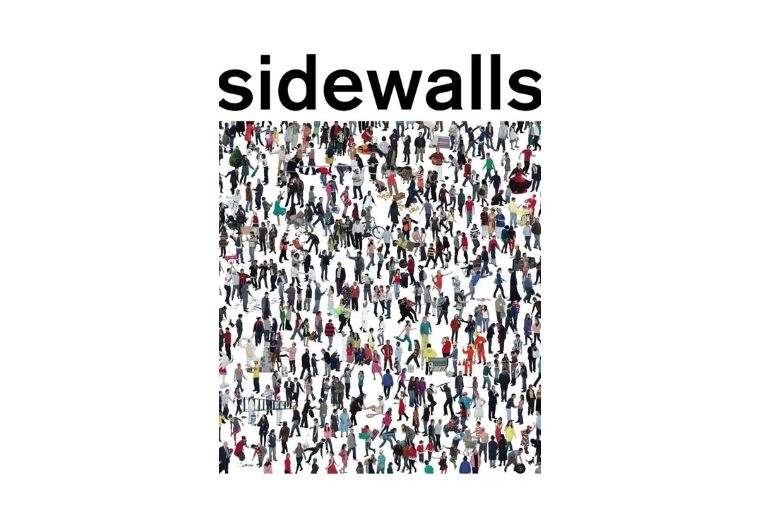
This Argentinian film represents how the very architecture of a city and the way it's built, can often result in its inhabitants feeling lonely. The film follows two characters, both of whom are struggling to cope with Buenos Aires, don’t have many people to talk to, and are grappling with these feelings at the cusp of the age of instant communication. The film circles around this concept yet somehow never fully closes in on its view of the digital age.
All We Imagine As Light
Payal Kapadia uses Mumbai masterfully to tell the story of two nurses, it furthers away from a rosy, overly romanticized version of the city, and portrays an honest, sometimes even brutal depiction. One of the ways in which it tackles loneliness is in its presentation of the Mumbai local. It makes the big city feel dangerous yet freeing, and hopeful yet crushing, which is the ultimate study of urban loneliness.
Lost in Translation
A beautiful sadness slowly but surely permeates Sofia Coppola’s sophomore feature, Lost in Translation, a portrait of two lost souls yearning for purpose and meaningful connection against the neon glow of Tokyo. Bob and Charlotte are at an impasse in their lives where they mutually feel neglected by loved ones and disoriented by the greater outside world. In its small intimate moments of shared silence and quiet reflection lies the insatiable burning to belong.
Her
Starring Joaquin Phoenix and Scarlett Johansson, this film examines the changing ways we relate to each other and to the world around us by imagining a future that feels like a natural extension of the present. It follows an evolving relationship between a man and an AI and uses this connection to explore how technology shapes the way we interact, how it can fill a void while creating one, and how love can form in unexpected places.

Taxi Driver
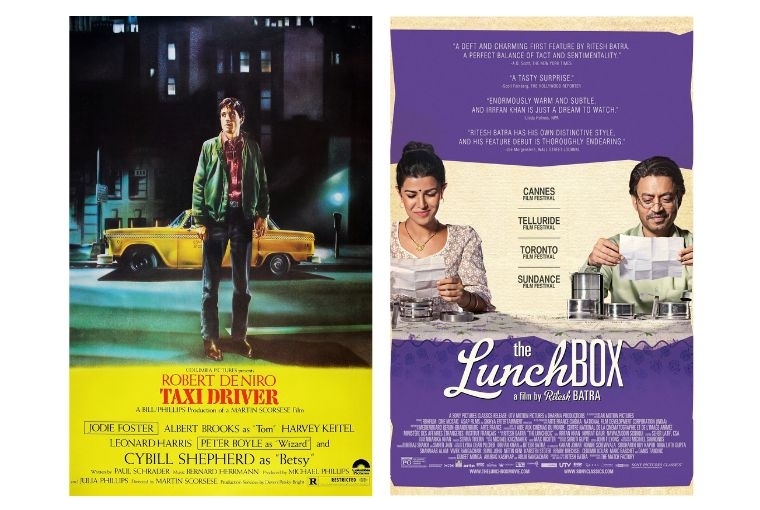
Martin Scorsese’s haunting character study captures the corrosive loneliness that can take root in a city that never stops moving. Through Rober De Niro who plays Travis Bickle, a cab driver drifts through the neon soaked grime of New York. His long nights behind the wheel become a slow descent into isolation, where the crowded streets only heighten his sense of being unseen.
The Lunchbox
Another Indian film that tackles Mumbai critically is Ritesh Batra’s The Lunchbox. The cast comprises Irrfan Khan, Nimrat Kaur and Nawazuddin Siddiqui, The Lunchbox is about middle-class India, the largest class in India, and yet the most underrepresented people in cinema. An odd little romance blossoms between Khan and Kaur’s characters through letters as they exchange extraordinarily intimate thoughts that they would never have been able to tell anyone in their lives. They find connection amidst chaos, clutter and disorientation.
Perfect Days
The lens of Perfect Days portrays a toilet cleaner outside of Tokyo who is content with his life, who subverts every single notion of productivity and capitalism that is shoved down our throats. The frames of this film are phenomenal. Outside of his structured routine, he cherishes music on cassette tapes, books, and taking photos of trees. Through unexpected encounters, he reflects on finding beauty in the world.
In The Mood for Love
Wong Kar Wai’s drama is a meditation on longing and restraint set within the cramped apartment corridors and dim streets of 1960s Hong Kong. Two neighbours, drawn together by betrayal, navigate a complex connection. The film captures how urban life can press people into close proximity while still keeping them emotionally distant, hence turning constrained emotions into a study of loneliness and solitude.
Words Neeraja Srinivasan
Date 11.12.2025