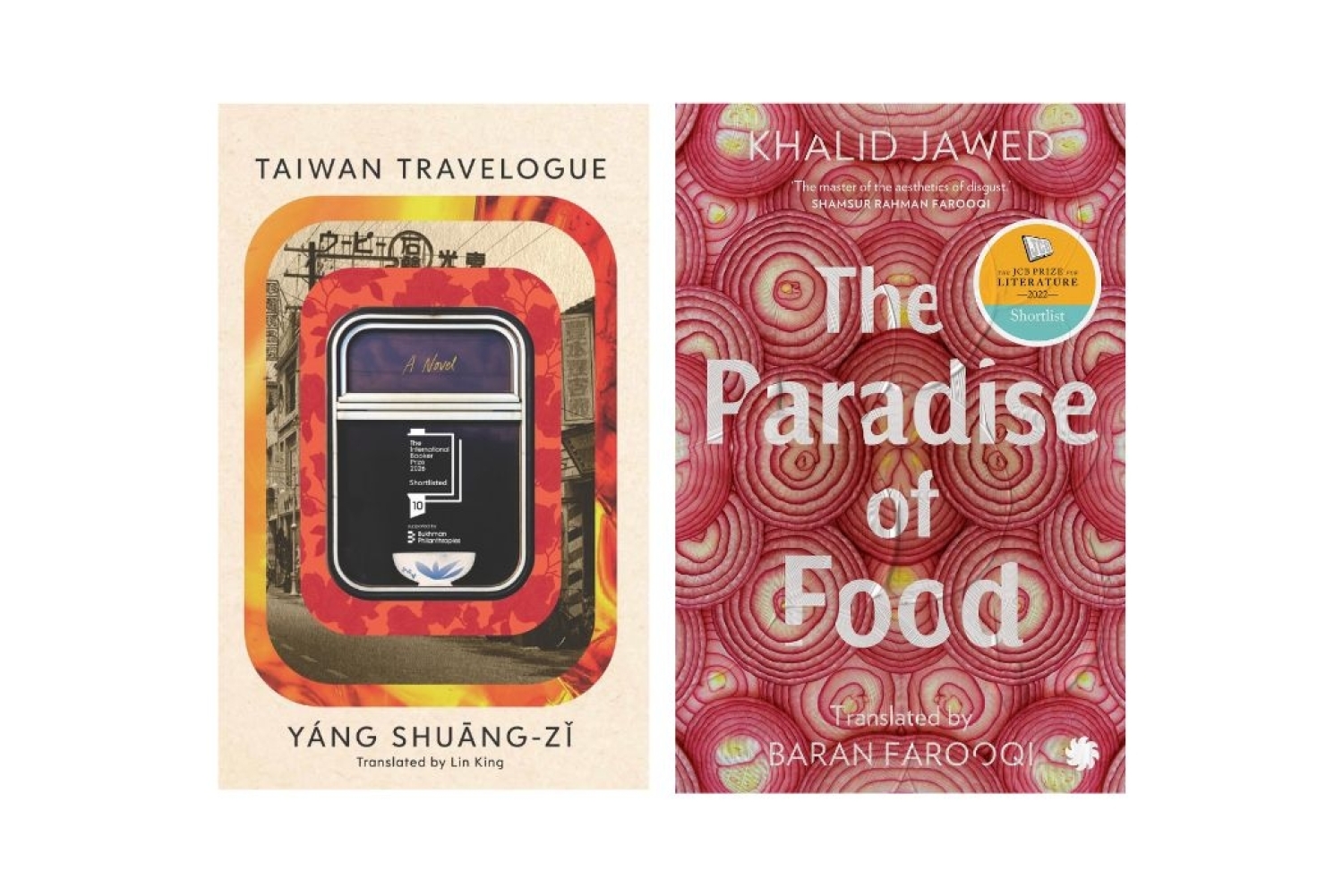
Taiwan Travelogue's win at the 2026 International Booker Prize is momentous for reasons that go beyond the literary. Yang Shuang-zi’s novel, translated by Lin King and the first Mandarin Chinese work to take the prize, explores history and identity through something deceptively simple: food. Set in 1930s Japanese-occupied Taiwan, the novel follows two women on a culinary journey across the island, using meals and regional delicacies to lay bare the politics of empire and belonging. Its success arrives at a moment when food writing is enjoying renewed visibility, reminding us that what people eat and who gets to eat can tell us as much about a society as its laws. Food becomes a way of talking about migration, class, memory, gender, labour, colonialism, and the often complicated question of home.
If Taiwan Travelogue has left you hungry for more, these contemporary Asian novels prove that some of the most incisive writing today is being served through food.
The Paradise of Food by Khalid Jawed
The Paradise of Food follows Guddu Miyan, a boy growing up in a household where food, hunger and domestic life are bound up with fear, secrecy and power. As he moves through an unsettling world shaped by family tensions and social decay, the novel turns the kitchen into a place of unease rather than comfort. First published in Urdu, the novel won the JCB Prize for Literature in 2022 in its English translation by Baran Farooqui.
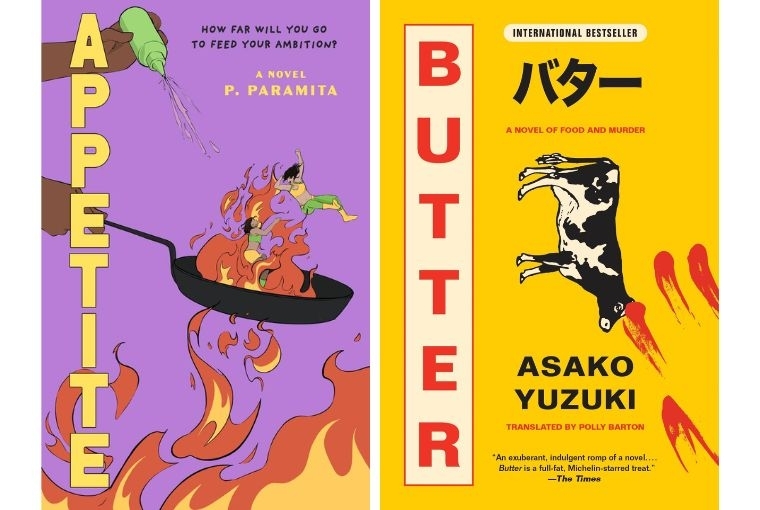
Appetite by P. Paramita
P. Paramita’s debut novel, upcoming in August this year, is about hunger in all its forms: for belonging, power, recognition and a place to call one’s own. Zarina, a 24-year-old Bangladeshi immigrant in New Haven, works as a prep cook while trying to build a life between family expectations, precarious work and a deep obsession with professional wrestling. As she becomes drawn into the world of a glamorous wrestler she idolises, food and ambition start to blur together.
Butter by Asako Yuzuki
Butter is about Rika, a journalist investigating Manako Kajii, a convicted murder suspect whose cooking and appetite seem to hold a strange power over the people around her. As Rika becomes drawn into Kajii’s world, the novel explores food, desire, body image, gendered expectations and obsession in contemporary Japan. Asako Yuzuki uses food as a lens on control, consumption and social pressure.
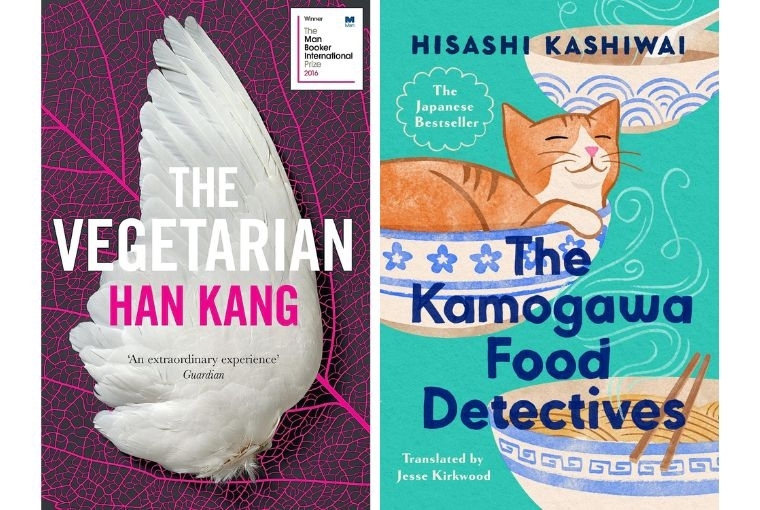
The Vegetarian by Han Kang
The Vegetarian observes Yeong-hye, a quiet South Korean woman whose decision to stop eating meat triggers shock, conflict and obsession within her family. As her refusal deepens into a radical break from ordinary life, the novel becomes a portrait of bodily autonomy, repression, violence and resistance. It is one of Nobel Prize-winning Han Kang’s most important works, winning the 2016 Man Booker International Prize.
The Kamogawa Food Detectives by Hisashi Kashiwai
The opening book in Hisashi Kashiwai’s bestselling Kamogawa series, The Kamogawa Food Detectives, follows Nagare and his daughter Koishi, who run a hidden Kyoto diner that offers something unusual: they help customers recreate a dish from their past, often one tied to memory, loss or regret. Each visit becomes a small emotional mystery, with food leading the way back to forgotten relationships and old versions of the self.
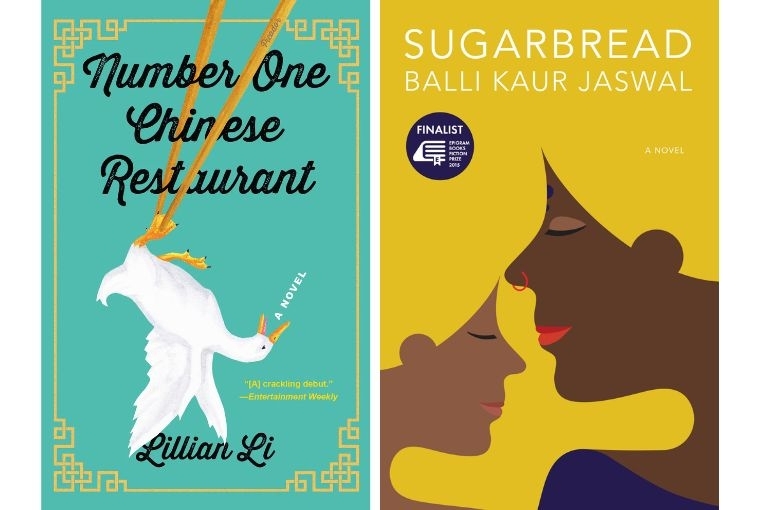
Number One Chinese Restaurant by Lillian Li
Number One Chinese Restaurant is Lillian Li’s debut novel, set around the Beijing Duck House in suburban Maryland, where the death of the restaurant’s founder unsettles the family and staff who have built their lives around it. As owner Jimmy Han tries to reinvent the business and step out of his father’s shadow, old loyalties, resentments and desires begin to surface.
Sugarbread by Balli Kaur Jaswal
Last in this list is a tender yet incisive coming-of-age story set in 1990s Singapore. Through the eyes of ten-year-old Parveen 'Pin' Kaur, Balli Kaur Jaswal’s Sugarbread explores race, class, religion and family secrets as she tries to understand the tensions surrounding her mother. Food becomes a language of memory and silence, revealing buried histories and generational wounds.
Words Nidhi Soni
Date 30.6.2026