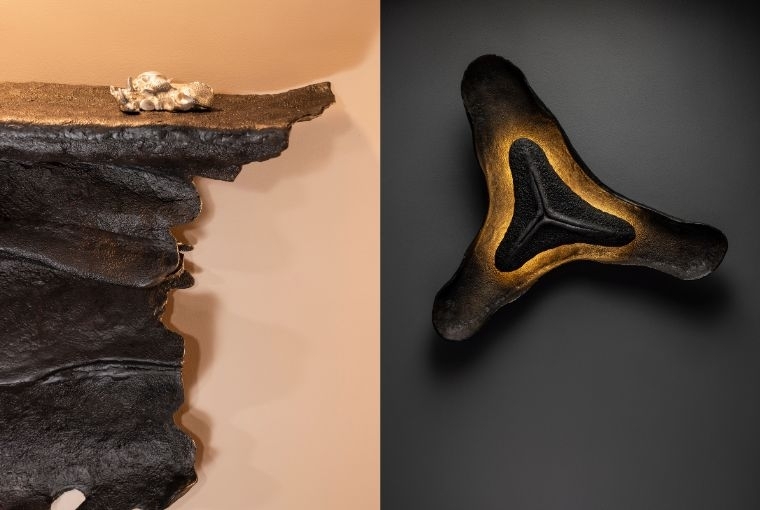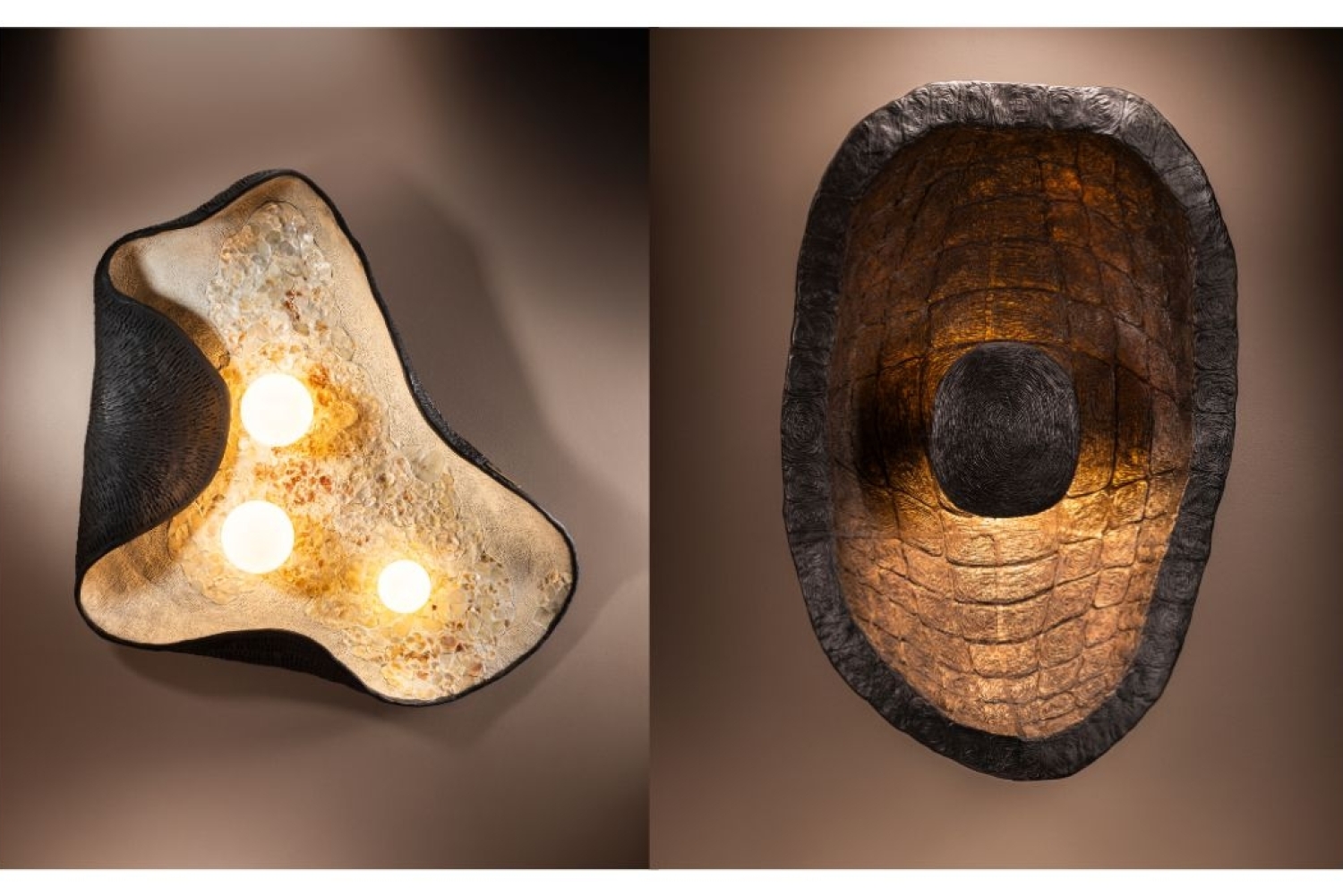
Shailesh Rajput Studio began from a very simple instinct, the desire to create objects that feel alive within a space. From the beginning, Shailesh and Mansi, the founders, were drawn to the idea that lighting could be more than just illumination, it could hold emotion, memory and meaning. The studio slowly took shape through experimentation with materials, forms and stories. They were fascinated by the way light interacts with texture and surface and how it can soften a space, highlight a detail or distinctly change the mood of a room.
Over time, this exploration evolved into a philosophy. Each piece they design is a functional object, yes, but also a small narrative which has something that invites people to pause, observe and experience light in a more thoughtful way.
Nature and its Influence
Nature is an ever-present reference point in our work. It influences not only the forms we design but also the way we think about light itself. In the studio, we often observe how light behaves in natural environments, how it filters through leaves, reflects off stone or creates quiet shadows at different times of the day. These subtle moments guide many of our design decisions. Practically, this translates into textures, organic forms and materials that interact gently with light rather than overpowering it. We try to create pieces that feel as though they belong in a space the way natural elements do, like quietly present, yet deeply impactful.
Storytelling Within Design
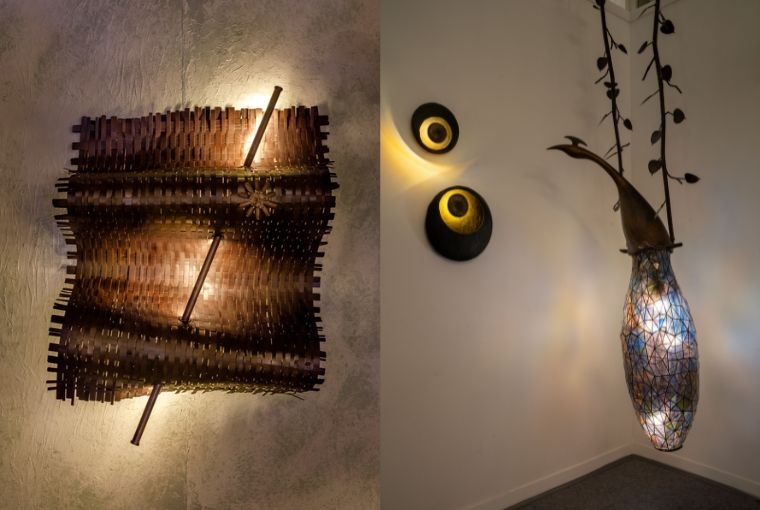
For us, storytelling begins long before the design process. It starts with an idea, a moment, a poem, a myth or sometimes even a feeling that we want to express. Once the story is clear, we begin exploring how it can be translated into form, texture and light. Sometimes it is reflected in the silhouette of a piece, sometimes in the materials we use and often in the way light reveals the object gradually. The aim is not to literally illustrate a story, but to evoke it. When someone interacts with the piece, we want them to sense that there is something deeper within it, something that unfolds slowly over time.
Timelessness of Indian Culture
Indian culture is incredibly rich with stories, philosophies and symbols and that naturally becomes a source of inspiration for us. We often find ourselves revisiting mythology, poetry and traditional art forms that carry timeless ideas.
However, our intention is never to replicate tradition in a literal sense. Instead, we try to interpret its essence and translate it into forms that feel relevant today. The balance comes from respecting the spirit of these traditions while allowing the design language to remain contemporary. In many ways, it becomes a dialogue between the past and the present.
What Brings Meaning
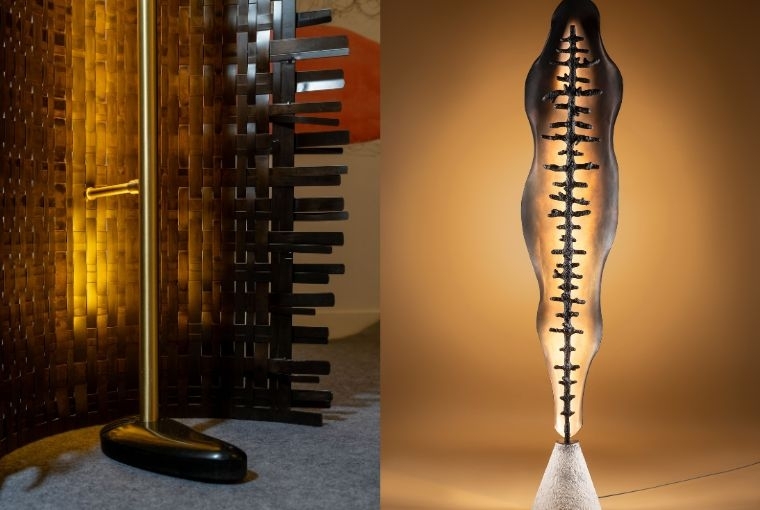
One of the most meaningful moments has been seeing how people connect with our work. When someone shares how a piece has become part of their home or how it changes the way they experience a space, it reminds us why we started. As designers, we spend a lot of time imagining how an object might live in the world. Watching that imagination become reality and seeing people form their own personal connection with the piece is incredibly fulfilling. Those moments reaffirm that design, when done thoughtfully, can quietly become part of everyday life.
The Future of Design
We believe the future of design will move towards something we like to call ‘Design for the Heart.’ For a long time, design has largely focused on aesthetics, trends and visual novelty. While those aspects will always matter, we feel people are now looking for deeper objects that carry emotion, intention and meaning.
Today, people want to surround themselves with pieces that resonate with them personally, that tell a story or evoke a certain feeling in their space. Design is slowly shifting from being purely visual to being more experiential and emotional. In that sense, the next big shift may actually be a return to slower, more meaningful design where materials, stories and human touch play a central role.
Words Neeraja Srinivasan
Date 26.3.2026