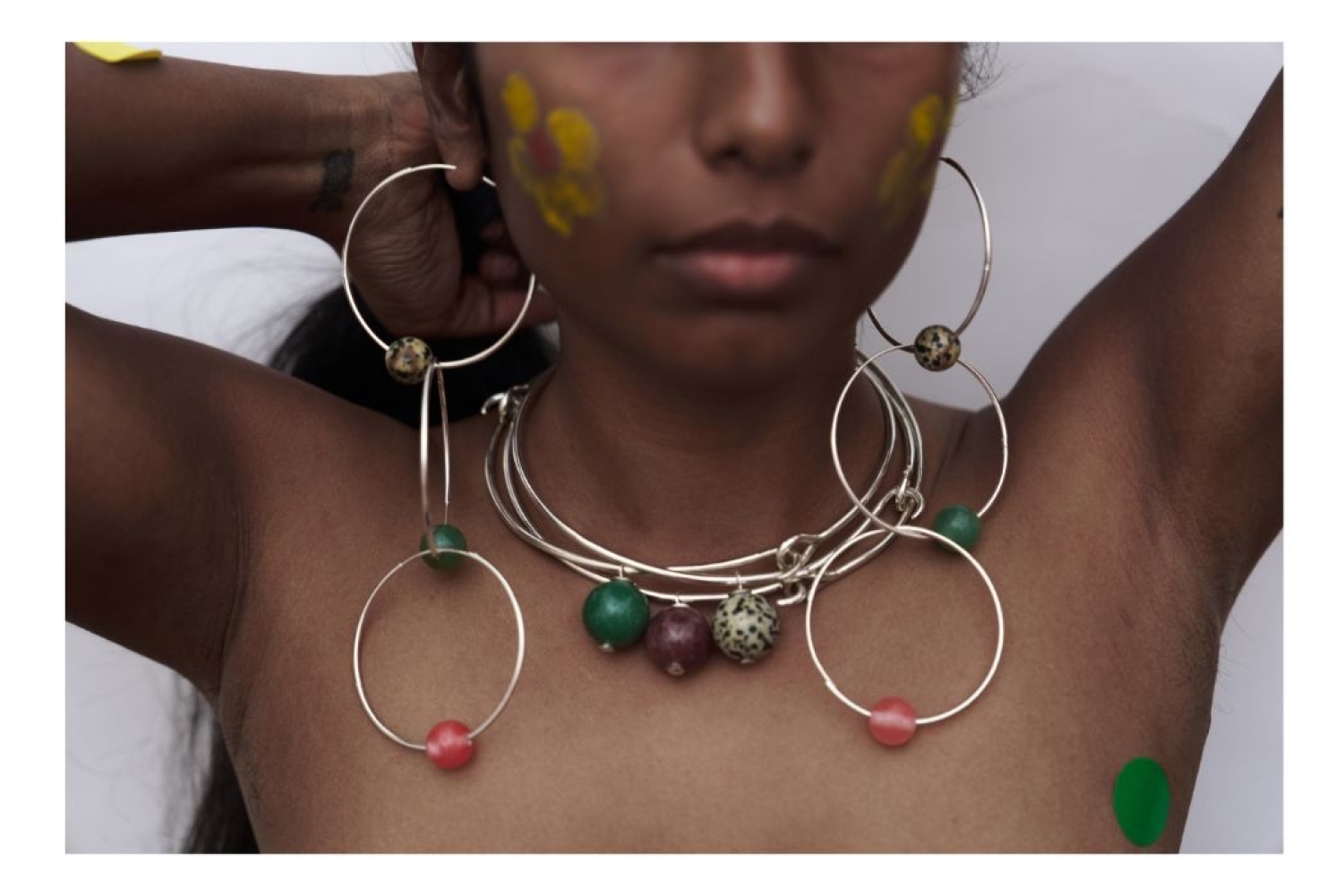
Behind a cabinet in a childhood home in Bihar was a small tijori that held the stories of the women who had come before Anjali Gupta, the founder of the jewellery label Begum Sitaara. When her grandmother would open it, everyone would gather around to scour through old notes, embroidery, her grandmother’s bajubandh and hasuli, among other jewellery. ‘It wasn’t really about what was inside the tijori; it was the feeling of being allowed into a very small, private archive of her life.’ That understanding of objects, as things that can hold memory, runs through Begum Sitaara.
Handcrafted primarily in sterling silver, the brand draws from traditional Bihari jewellery, family heirlooms and the everyday adornment Anjali grew up around. She translates gemstones, meenakari and other regional craft into a contemporary palette. Small-batch and intentional, the brand resists the idea of jewellery as ornament alone, imagining instead objects that can be worn often, gather marks and perhaps one day be passed on.
Building a Life of Her Own
Anjali grew up in a village in Bihar, surrounded by mango, litchi and guava trees and a lot of greenery. Jewellery too, was woven into the everyday. The women around her were adorned with gold on their ears, hands and necks as a natural part of being dressed. Years later, living in Delhi introduced a rather bleak contrast of concrete and her earlier life began to feel distant. Begum Sitaara emerged partly from a desire to bridge that distance. After years of making choices driven by the need for financial independence and stability, Anjali had grown tired of creating for other people. ‘My relationship with Bihar is a relationship with objects, where material, memory and craftsmanship are allowed to coexist’. Begum Sitaara, then, became a way of returning to a slower, more tactile and curious way of living and building ‘a life I actually wanted to live’.
Women, Memory and Making
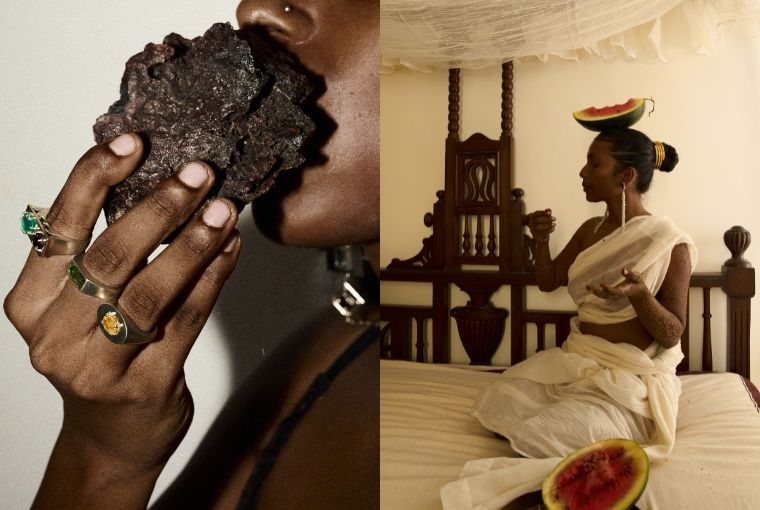
For Anjali, Begum Sitaara was never hers alone to pour. The women she grew up around, ‘my grandmother, my mother, my badi, my masis’ filled the vessel with her and the brand carries all their hands in its shape. They found their own forms of liberation through skill, work and creativity: her dadi farmed and owned land, while one of her aunts made jewellery and taught her sisters how to run a business and become financially independent.
From them, Anjali inherited a refusal to rush toward the new. Nothing was acquired lightly; everything was expected to last, to be mended rather than replaced, to earn its place over years. This now shapes her approach to creating fewer pieces with the intent to outlive a trend and settle into someone's life for good.
A similar patience also comes through in how she approaches Bihari craftsmanship. Anjali has no interest in sanding down a form's regional character to pass it off as conventionally modern. She'd rather let its history show, its proportions, its materials and its original spirit left intact. ‘The word “modern” often comes with a very specific visual language: minimal, clean, Western, restrained and I don’t think regional craft needs to be made to look like that in order to be relevant today. A traditional form doesn’t become less contemporary because it carries history.’
The Craft
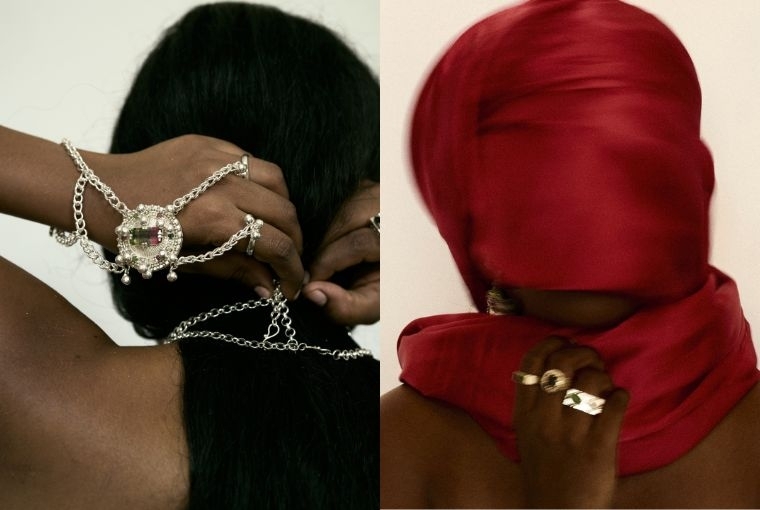
The jewellery is made around a gemstone Anjali initially finds herself drawn to, whose formation and origins she studies before deciding what form might hold it. The karigars she works with are collaborators who bring their own understanding of metal, proportion and construction to the process. ‘I explain what I’m trying to achieve, they tell me what will work, what needs to change, and sometimes they suggest a way of doing something that I hadn’t considered. The final piece is therefore rarely exactly what existed in my head at the beginning. I actually like that. I don’t want the hand of the craftsperson to disappear from the work. Their knowledge, judgement and way of working should be visible in the object. For me, good jewellery sits somewhere between an idea and the intelligence of the hands that make it. I design the direction, but the craftsperson helps determine what the piece ultimately becomes.’
Next, Anjali is experimenting with objects beyond jewellery: a silver tobacco pipe, a pencil holder for designers and artists, incense holders and similar everyday objects all adorned with gems. ‘I don’t know if I would call it a move away from jewellery. It feels more like an expansion of the Begum Sitaara world into objects that you use, carry and eventually live with.’
Words Nidhi Soni
Date 24.8.2026