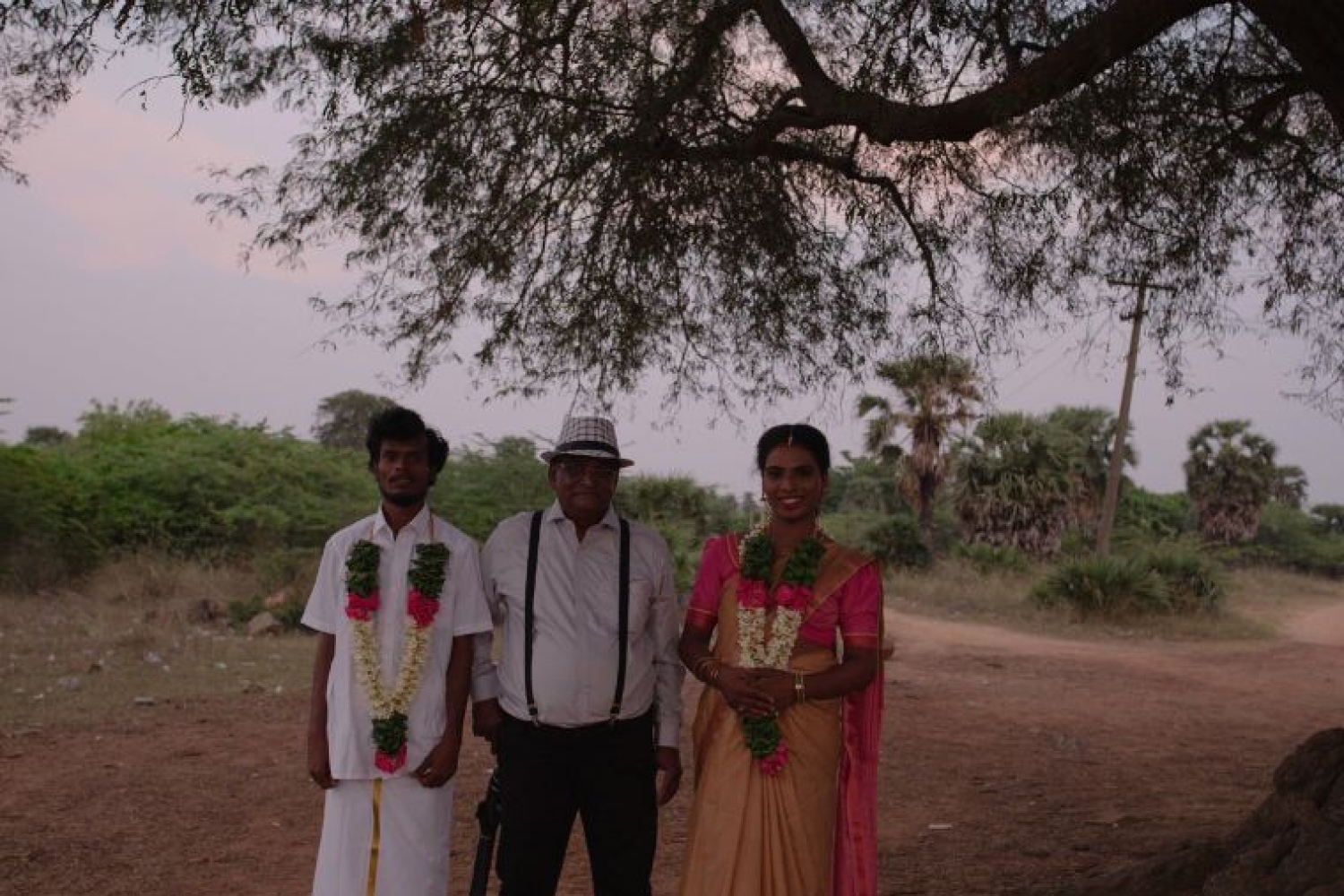
It happens very rarely that a filmmaker with his very first piece of work grapples, almost wrenches your emotions so much that it becomes difficult to shake off what their art made you feel. R. Gowtham’s debut film, Members of the Problematic Family, caught us like that. An assured and rare debut that has been screened worldwide and recently got him the Young Cinema Award at the Asia Pacific Screen Awards.
R. Gowtham’s romance with cinema did not begin in a classroom but in the half-light of small-town theatres and crowded festival nights. Gowtham grew up in a small district in Chennai among women who treated films as rituals. Unlike the life he chose now that puts him behind the camera, in the early days, Gowtham actually loved being on stage. He danced, acted, and led street plays. He also spoke to us about his early days in the so-called city of dreams, when he slept on railway platforms and bathed in public toilets and clung to the hope that cinema would justify every sacrifice. It was in those harsh, transient spaces that his vision as a filmmaker began to take shape. ‘All those years I spent in Bombay around movies, books, poetry, little magazines, and nimble documentaries taught me that cinema could be both memory and invention, discipline and dangerous love.’
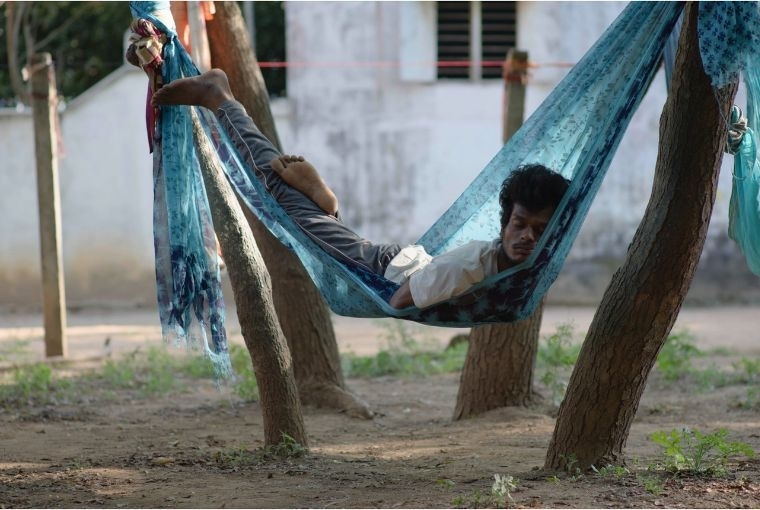
The film opens with the untimely death of Prabha (A.ra. Ajith Kumar). Usual commiserations follow that he passed too soon, though he was mostly seen as a nuisance. ‘Alcoholism is very common in my family. Even in college, several friends died in accidents. One guy killed himself after drinking and arguing with his mother over an extra omelette, and that incident left a very dark mark on me. I have seen many young men destroyed by alcohol at a very early age. In my neighbourhood, obituary posters go up all the time. Young riders go racing and die, and sadly, young people losing their lives to reckless habits has become very common in my world,’ Gowtham talks about the starting point of the film.
In Members of The Problematic Family, Gowtham drives a scalpel through familiar funeral films. It strays away from tradition and spins out in several directions, much like the reckless, unpredictable and naïve Prabha. The story doesn’t spiral into the wretchedness of death and its aftermath; it is held together by the characters and their lives. Gowtham is neither too pat or too precious about showing characters in a certain light, instead enabling contradictions and deep-rooted clashes. ‘The writing process was quite tough for me. I was not writing a formatted screenplay. It was more about emotions, and I did not want to lean on sympathy or the usual sentimental approach, because I have seen very mournful, highly dramatic funerals but I chose not to show that. I wanted to reverse that completely and so I toned the intensity of real life. I built on the characters. I showed not just sadness but anger, fear, frustration and some deep-rooted emotions of a family.’
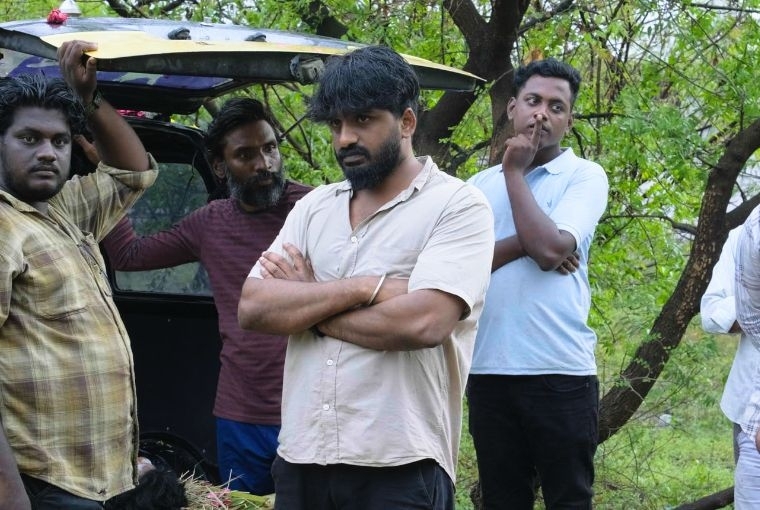
Gowtham plunges us into the life of this family with a very simple but real film. The opening half-hour chapter follows Prabha’s corpse as it’s lifted onto a bed, washed, put into a car and taken to the crematorium. It’s incredibly detailed and alive to each moment. You see, a kid pinches the corpse’s nose, and some people halt and even burst firecrackers before the car proceeds. But none of this appears overly manicured. Instead, it just shows you life’s chaos and confusion where tempers are short, grudges deep and enduring. ‘I wanted to portray a prototype of a Tamil OBC family. That was my intention. The rituals shown too are not common in the suburbs of Chennai. These are people who have lived like nomads. They travelled from the southern part of Tamil Nadu some time back and moved around. Some went to Myanmar, stayed there, then came back as repatriates and settled in the Chennai suburbs. This particular family was not considered sons of the soil. They were outsiders. These kinds of stories are very common and will likely recur in my future filmography as well, because I am also one of the repatriates. My mother was born in Myanmar and came back when she was three years old.’
Words Hansika Lohani
Date 7.11.2026
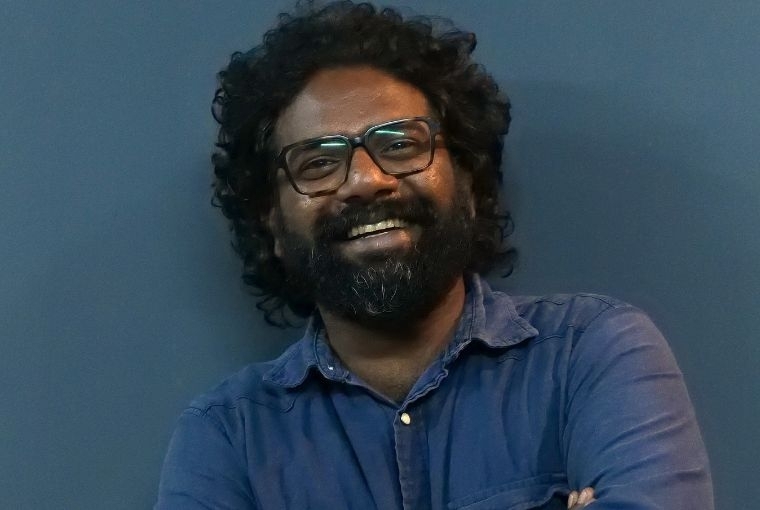
R. Gowtham