Photo Credits Ishaan Nair
Photo Credits Ishaan Nair
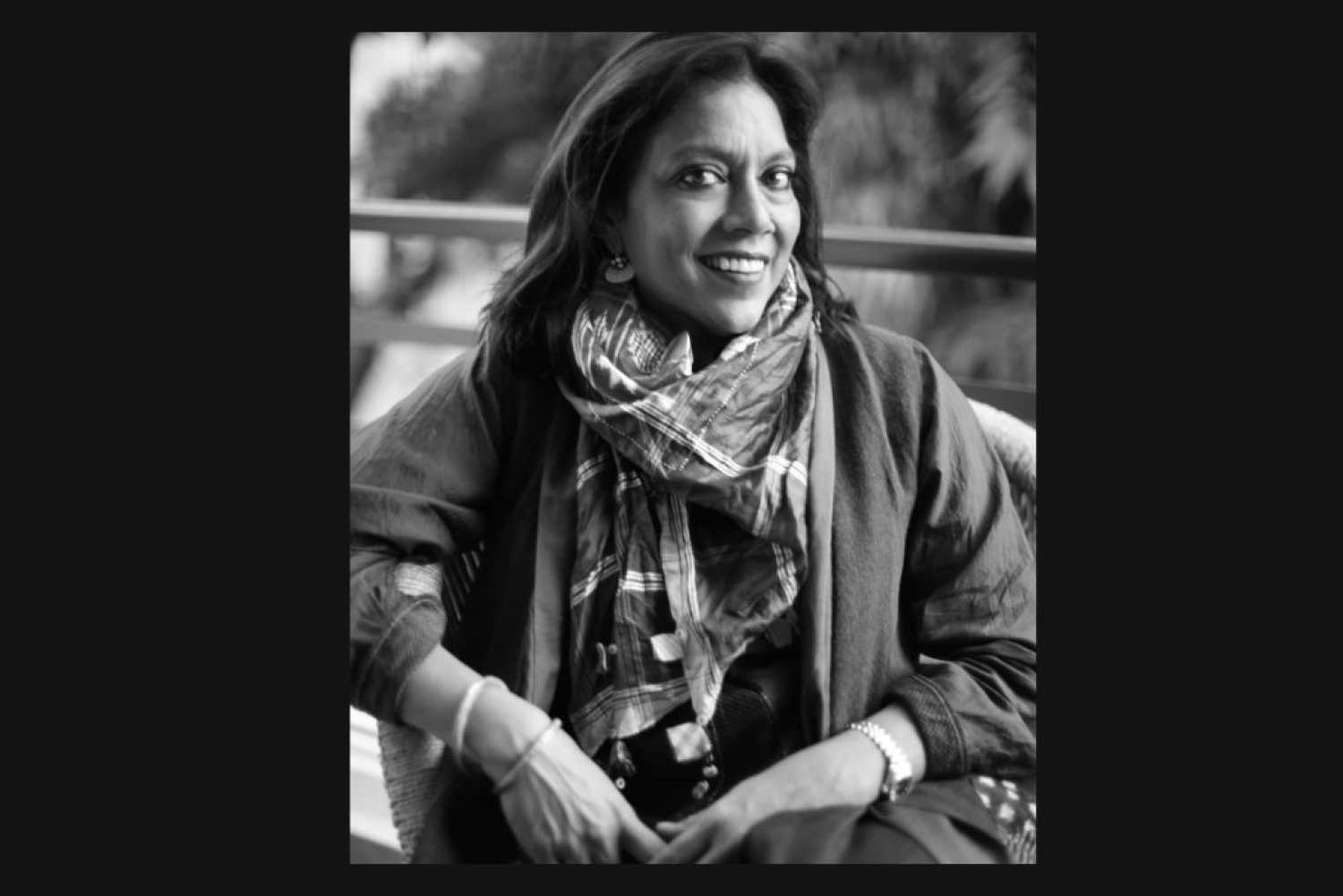
To celebrate 20 Years of Platform, we brought together our community of thinkers, creators, and innovators for a Creative Conclave, Playground. Here are excerpts from the film panel, which featured the legendary Mira Nair.
On the Evolution of Documentary Filmmaking
“I came from a much older cinema tradition, and for my film India Cabaret, which was shot in 1984, I focused on strippers in Ghatkopar nightclubs in Bombay. Even finding a club that would let you in involved a whole process of being disowned by your parents and everything I went through. In terms of creating trust, it was only about time. Time alone with them. We did not have sets. After two or three months of living there, the neighbourhood considered me a stripper. I became part of their world, and it was a tough yet fascinating place because it was not hypocritical and you were in the mud in a way. The crew I brought in included only two white people: my first husband Mitch Epstein, who is a photographer, and my sound collaborator. The dancers, who were incredibly modest offstage, used to consider my White boys as chakkas. They said, ‘ye toh chakka hai, yeh toh theek hai.’ They felt that way because they were not judged by them and the language was different. So there was freedom with this crew. It belonged to a completely different vocabulary of documentary filmmaking than what we see today. I came from a time when you were inside their world. This was also the era of 16mm in the 1980s and 1990s, when you really had to think twice about burning your stock, yet you still had to capture whatever was happening. It was quite a different vocabulary compared to the documentary practice of today.”
Amelia and Feeling Lost
“I had spent a year and a half of my life making Shantaram with Amitabh Bachchan and Johnny Depp, and I normally never work for the boys of Hollywood. But I never like to see India done badly, so I always jump in and say I can do this. After a long process, one and a half years passed, and we were about to shoot when the Hollywood Writer’s Guild went on strike. Around that time, I was offered the film on Amelia Earhart, and her motto was ‘For the fun of it’. That is very much my motto too. It went against my own mantra of ‘Do only what you have to do’, but I was still filled with the adrenaline from Shantaram, ready to shoot a feature after years of preparation. So when they asked me to do Amelia, I said yes. Ang Lee, the director, was talking to me. Amelia Earhart got lost on her final flight, and people still think they have found her plane. Ang asked me, ‘did you ever get lost, making Amelia?’ It was extraordinary, because I was lost even before I began. I loved that observation and that question, because filmmakers see through each other’s work. I feel that when I watch a movie, in five minutes or less I can trust the director or not. That sense of solidarity means a lot to me, the way you can see it, feel the delight, feel the happiness.”
Mira’s Women: To Film and To Play
“I am making a film on Amrita Sher-Gil, and you all know how brilliant she is. I am not making the film around the chronology of her art. I am returning to the question of tenacity and the will of an artist a hundred years ago. She was an iconoclastic person who was not always understood but loved the world. She sifted between East and West, much like I have, in order to create a new vocabulary. I want to tell her story in a way that this room, these young people, and anyone can understand and see themselves in her, in that fire and that confusion. A long time ago, when I was on a very sequestered jury at the Cannes Film Festival, we were all asked to cook dinner for each other in a fancy gentleman’s house. I was cooking chaunke hue mattar at Cannes. My sous chef was Michael Douglas. He looked at me while I was steaming over the chaunke mattar and said, ‘you really should play Benazir Bhutto’. And I said, ‘You think I’m that horsey?’ I was just teasing. I have followed Benazir’s work the way I have followed Indira Gandhi’s work. These extraordinary women went through hell, and I admire that journey. And Benazir would not be a bad person to play.”
This is an excerpt from our November EZ. To read the EZ, click here.
Date 20.12.2025