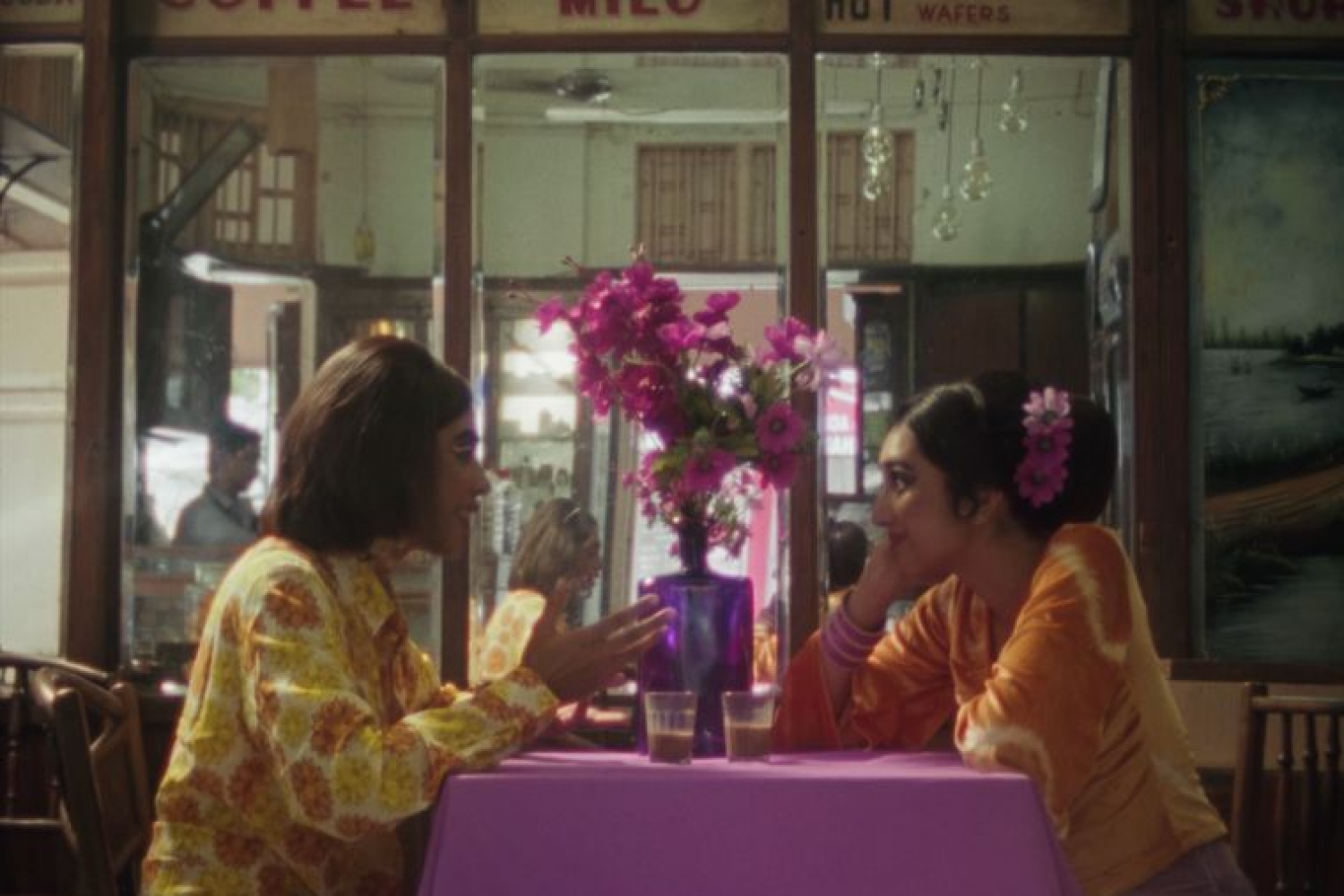
Still from Raveena's Mystery
Still from Raveena's Mystery
The past holds a lot of unexplored feelings and emotions. It fuels award-winning director and cinematographer Tanmay Chowdhary with stories to visualise for his audience. Tanmay thinks it is important to have the ability to feel a scene rather than simply enjoying it. He works across multiple formats: documentary, feature, short film, music videos and more. Below, he discusses his inspiration, working across formats, technical decisions and what lies ahead.
What made you realise you want to become a cinematographer?
It started with the power of photography. I grew up watching my father, who had an SLR. A photograph that made me realise my passion was of my siblings. I had clicked it using a point-and-shoot camera; it was that camera’s last image. It captures them on an amusement ride, where everything was in motion and my siblings were still. This image felt like finding everyday magic.
What did working across different formats teach you?
It was around the late 2000s when the movie function was introduced in SLRs. My first application was simple; I used to document things in everyday life, discovering things on my own - how light and shadow work and more. With cinematography, there are so many factors with it like movement: of the subject, you (the camera) and both their movements with respect to each other and separately.
Initially, I was obsessed with mimicking reality. Now I think about how to use this tool to tap into recreating subconscious imagery. My recent work focuses on creating beyond what is real. It has shifted from documenting to creating from an idea. In a way, when I reflect on my craft, I think about the power of photo albums that capture the old times. For me, all of my approach comes from what I have experienced. A lot of my work is trying to revive or remember what is not present - the past. Trying to bring back the ability to feel.
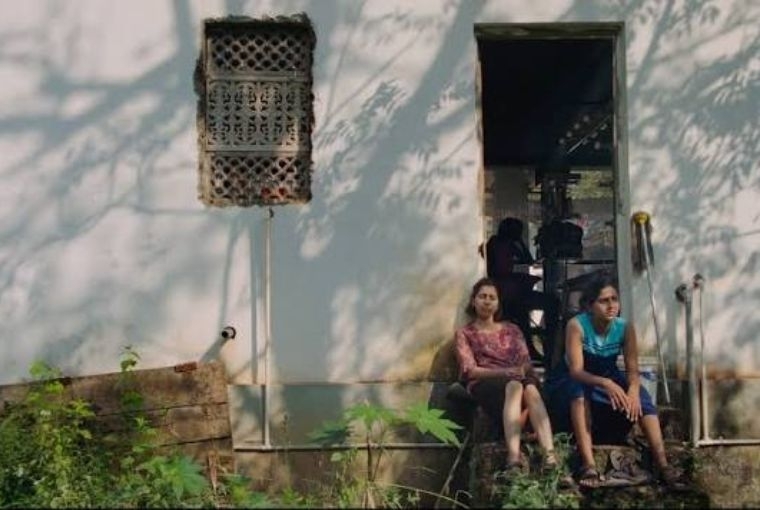
Still from Leela
What draws you to a frame: light, movement, colour, texture or something else?
It is space that draws me to a frame. For me, the impact of a scene does not come from character or anything. It comes from the space. Which is determined by how light enters it or its own function in the scene. There is a foundational aspect about it - it differs for every setting. For instance, for Young the Giant - American Bollywood when we were scouting locations, there was a dead beach town. It only had a train track passing by. It gave off the idea of no-man's-land. The feeling of being nowhere. Here, this space determined the theme of the movie.
What is one technical decision that you think audiences feel more than they notice?
Feeling has more to do with sound but I think it is when you decide to move the camera. A general audience would not notice it but feel the change. About lighting, one can really dictate the changes. Lighting and colour can make you feel a certain way for a certain scene. Colour theory plays a huge part in this. Any change can affect the mood and tone. There are too many things actually. There are some technical decisions consciously made in terms of framing and how you are composing the image, like how shots from a handheld camera or a still camera can be repurposed for a scene.
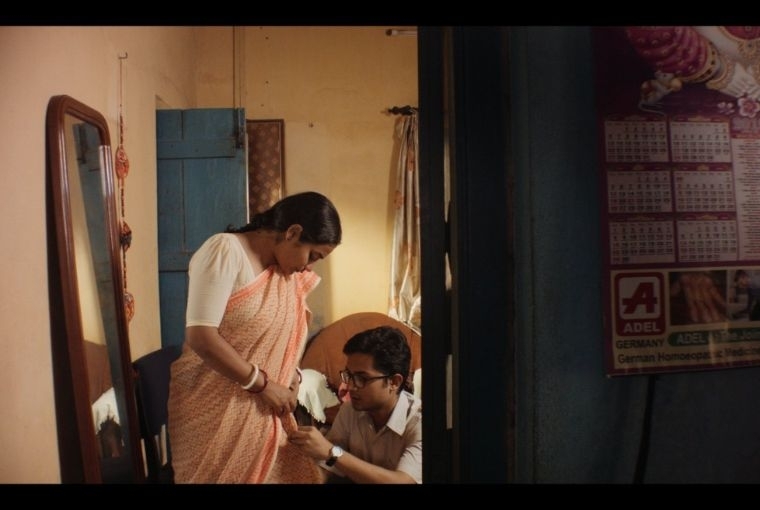
Still from Binimoy
How do you think about authorship as a cinematographer: are you interpreting a director’s vision, creating a world or both?
It depends on the director, their specific styles and what they are looking for. Some completely rely on you to bring out the visual language. I really enjoy blocking of the scene. A cinematographer’s job is to understand the vision and bring it to life. It is a big responsibility. It is super collaborative and works on how both of you can add to this collaboration to make it successful.
What kind of stories do you wish to work on next?
I’m really looking forward to a couple of projects in Kolkata. To be able to see the city in a way that can bring out its magic. There are a lot of spaces that are still the same. All I can say now is that there is a project set in the 80s India revolving around vampires, jazz bar and Art Deco.
Words Shruti Verma
Date 10.11.2026
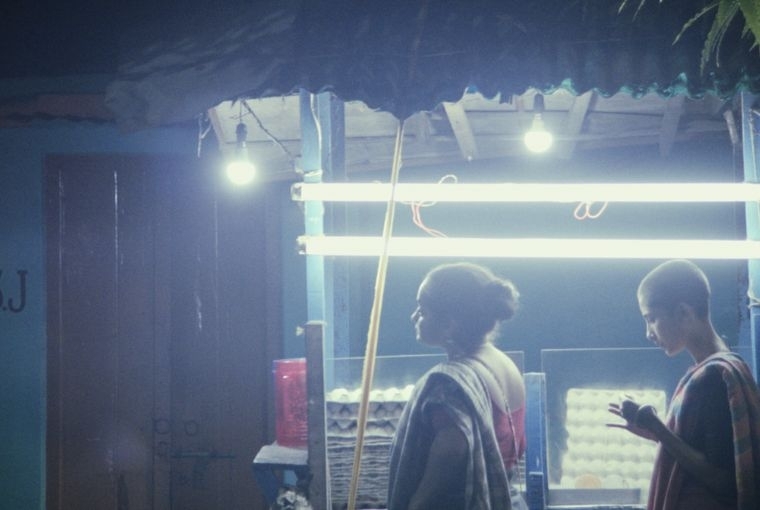
Still from Madhu