Goethe famously called a novella the form of the ‘unheard-of event’; a form that organises itself around a moment when the familiar, upon probe, becomes strange. A novella is its own animal, long enough to live in, short enough to finish in a weekend and it often does more with less compared to its neighbour formats. The best ones are concentrated around holding important pressures of our times. What do we owe the people we love? How much of our past can we trust? What happens when the life we have built no longer feels like our own? From postwar Nagasaki to South London, from Bangalore and Pune to Paris and 1980s Ireland, these books find their theatre in ordinary lives shaped by forces larger than themselves. If you've been meaning to read more but keep bouncing off 400-page commitments, this is your way back in.
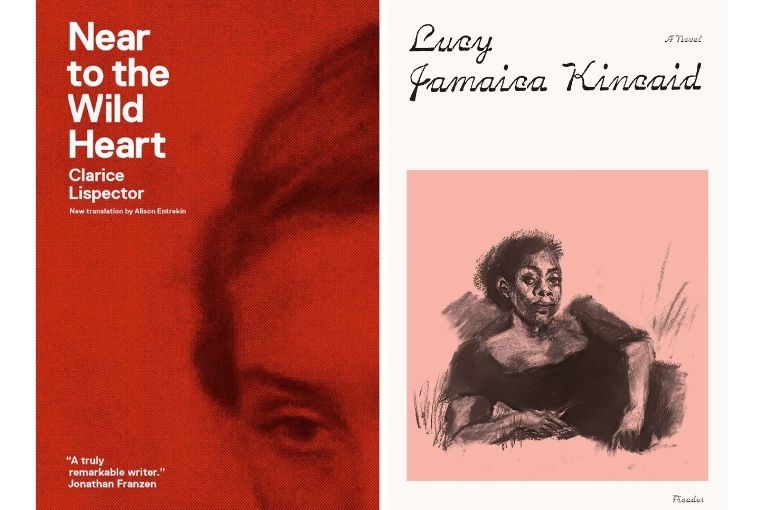
Near to the Wild Heart
Written by Clarice Lispector at twenty-three, this radical debut follows Joana through an orphaned childhood, a difficult marriage to the unfaithful Otávio and her search for freedom. Told in a fluid stream of consciousness, the novel brings identity, desire, consciousness and the elusive process of knowing oneself into light.
Lucy
Jamaica Kincaid’s landmark novella of postcolonial and feminist literature follows nineteen-year-old Lucy, who leaves the West Indies for New York to work as an au pair for a wealthy white family. As she observes the ‘perfect’ family, Lucy confronts her own memories, sexuality and complicated relationship with home. Rooted in the author’s own migration from Antigua, it's a razor-sharp, lyrical study of exile, identity, mother-daughter wounds, race, class and the fierce desire for autonomy.
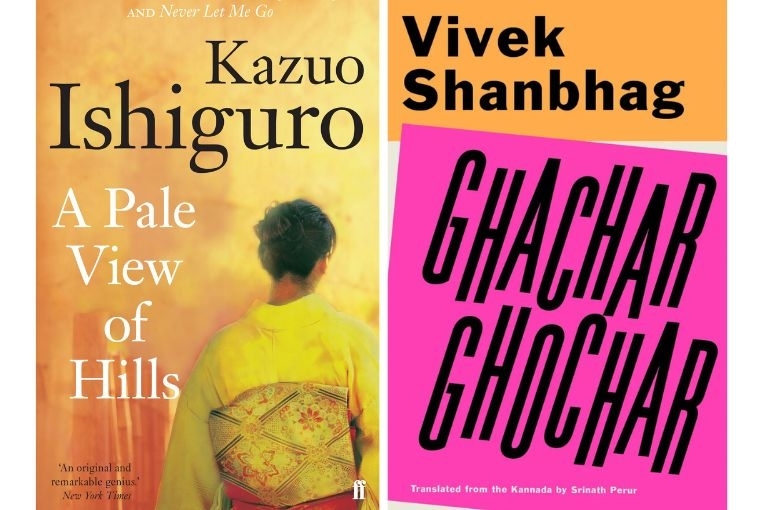
Ghachar, Ghochar
Vivek Shanbhag’s novella follows an unnamed young man whose Bangalore family rises from poverty to sudden wealth through a successful spice business. But prosperity brings its own distortions, reshaping marriages, loyalties and moral boundaries. As tensions deepen, the narrator retreats to a familiar coffee shop, searching for clarity. Translated by Srinath Perur, the book is a sharp study of money, family, power and moral compromise.
A Pale View of Hills
Kazuo Ishiguro’s macabre novella follows Etsuko, a Japanese woman living in England, as she reflects on her daughter’s suicide and returns to memories of postwar Nagasaki. There, her friendship with Sachiko, a troubled woman displaced by war, begins to blur into something darker. Moving between past and present, the novella meditates on grief, motherhood, guilt, cultural displacement and the fragile, often unreliable ways we remember trauma.
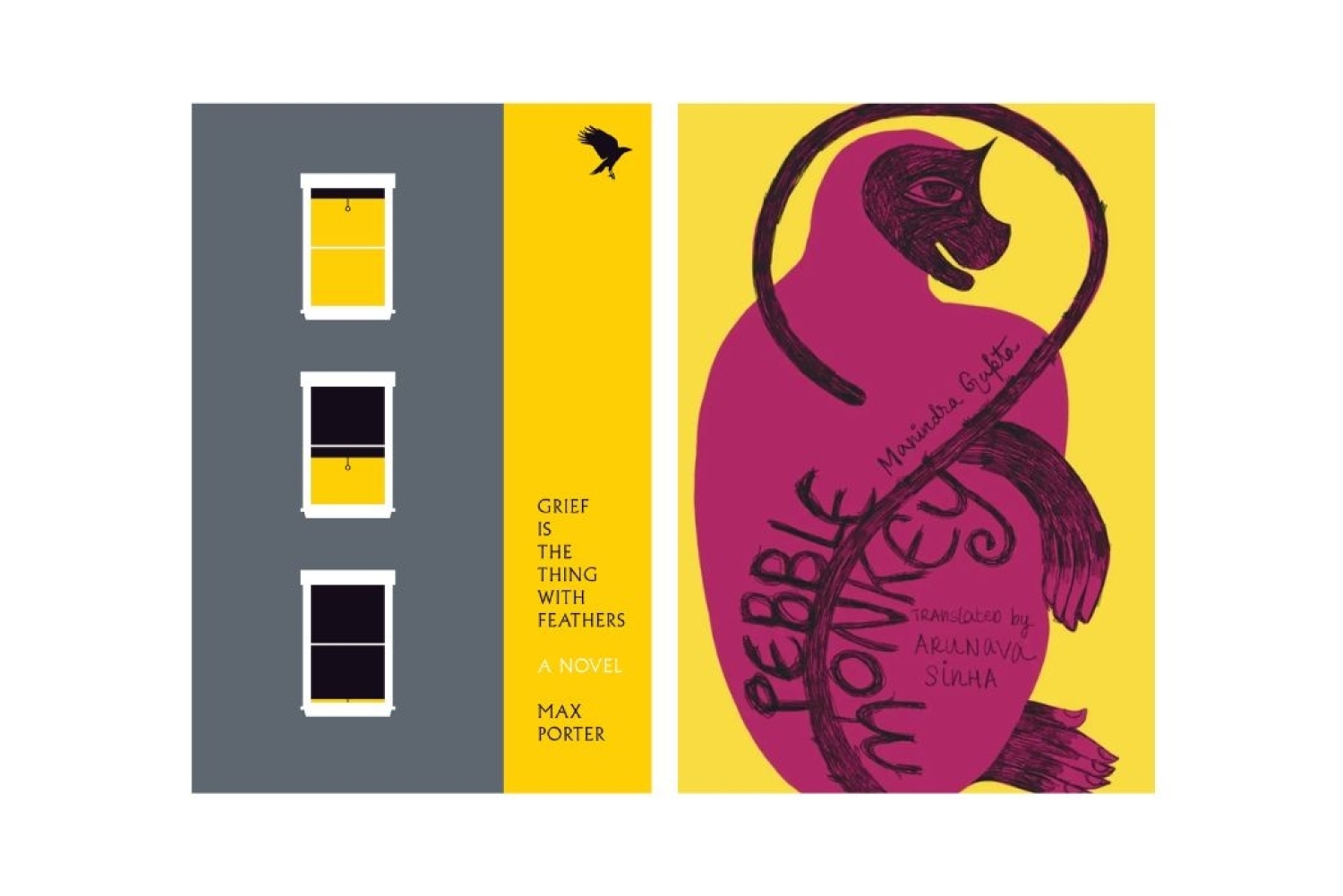
Pebblemonkey
High in the Himalayas, a pebble kicked into a glacial stream transforms into a monkey who wanders through a world shaped by myth and climate change. Over decades, Pebblemonkey encounters animals, hermits, gods, and humans while reflecting on beauty, ethics, language, and Advaita Vedanta. Manindra Gupta’s whimsical fable blends magical realism, climate fiction, and creation myth into a gentle yet pointed meditation on humanity’s relationship with nature.
Grief Is The Thing With Feathers
After the sudden death of their wife and mother, a grieving father and his two young sons retreat into their London home. Then Crow, a mischievous figure drawn from Ted Hughes’s poetry, arrives as an unlikely companion, refusing to leave until they can begin to heal. Blending fiction, poetry and essay, Max Porter’s novella moves through shock, memory and loss towards the fragile possibility of rebuilding a life after grief.
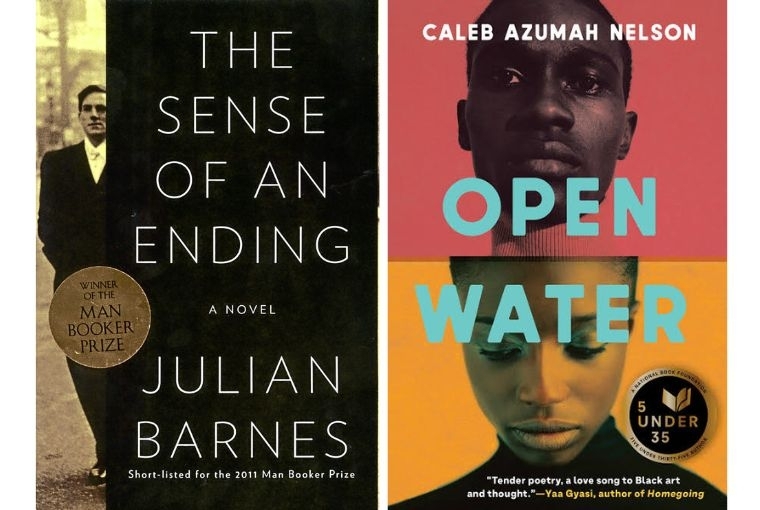
The Sense of an Ending
Julian Barnes’s Booker Prize-winning novella looks at Tony Webster, a retired man whose hushed life is unsettled by a lawyer’s letter and a strange inheritance. The news sends him back to his university years, the death of his brilliant friend Adrian and a relationship with Veronica he thought he understood. As old memories begin to shift, the novella examines ageing, regret, self-deception and the stories we construct to make sense of our lives.
Open Water
A meditation on vulnerability, masculinity and the liberating power of Black art, Caleb Azumah Nelson’s debut observes two young Black British artists, a photographer and a dancer, whose tentative romance unfolds over a year in South London. Told in an intimate second-person voice, the book braids music, film and literature into its prose, creating a tender portrait of intimacy, creativity and the search for freedom.
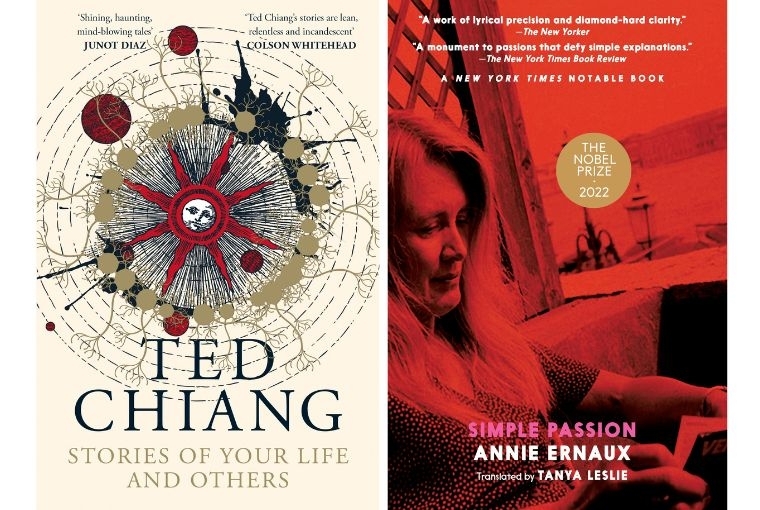
Story of Your Life
Ted Chiang’s acclaimed sci-fi novella follows linguist Louise Banks, who is recruited by the military to decipher the language of mysterious alien visitors. As she begins to understand their radically non-linear way of communicating, her perception of time changes too, allowing her to experience the future alongside the past. Braiding the arrival of the aliens with the story of Louise’s daughter, the novella explores language, fate, free will, and the costs of knowledge.
Simple Passion
Annie Ernaux’s spare novella examines a two-year affair with a married Eastern European businessman who visits Paris only occasionally. Rather than romanticising the relationship, Ernaux traces how desire reshapes everyday life, turning waiting, absence and anticipation into a constant state of obsession.
Words Nidhi Soni
Date 3.9.2026