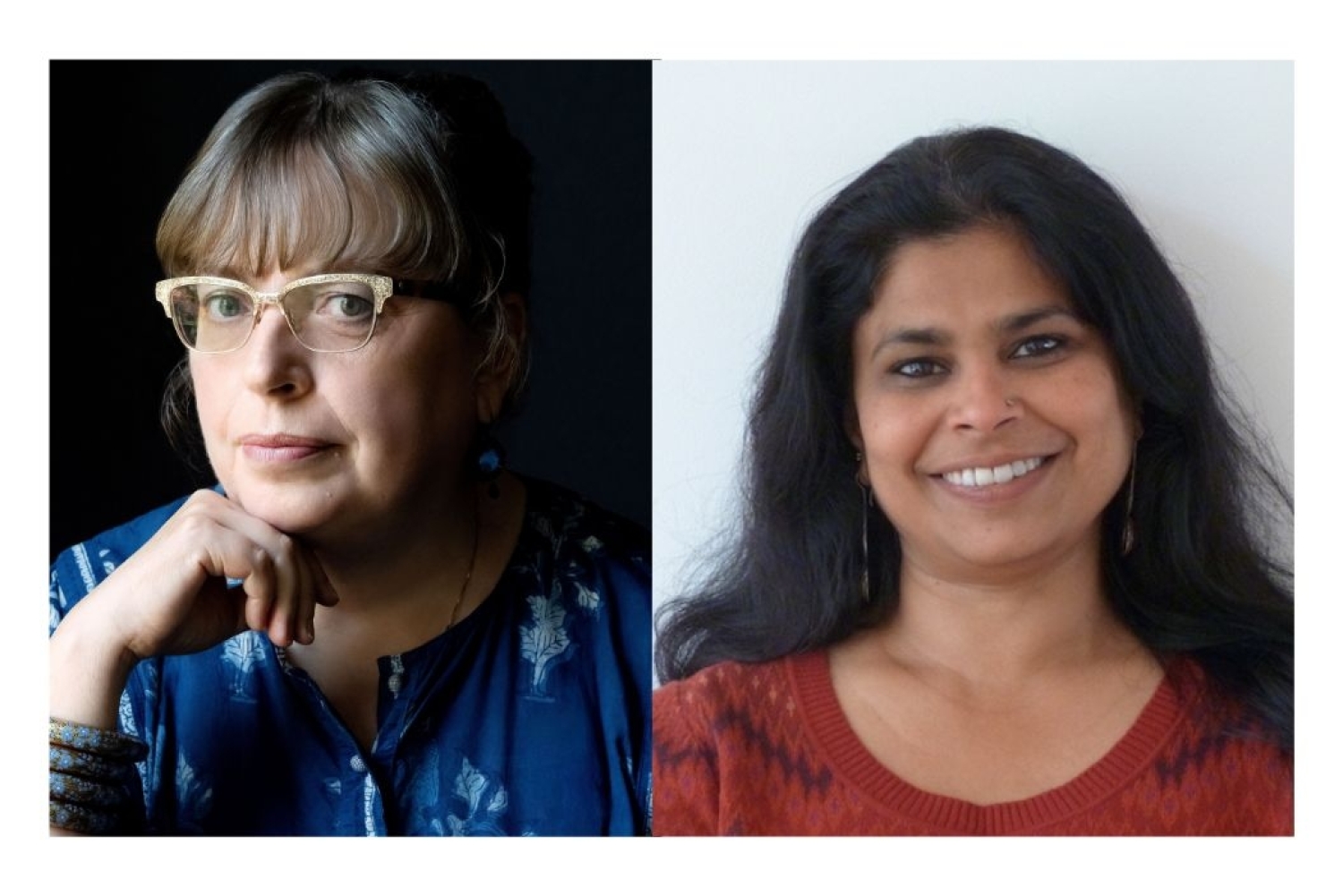
L: Daisy Rockwell R: Jayasree Kalathil
L: Daisy Rockwell R: Jayasree Kalathil
As the years go by, the importance of translation in the world of books is more and more essential, in order to allow for regional stories to be present at the forefront of literature in India and globally. This Women in Translation Month, Platform celebrates the rhythms and patterns of translation itself by spotlighting five translators and their process, all of whom do incredible work in bringing diverse voices and stories across languages to new readers.
Jayasree Kalathil
'There is a misunderstanding that translation involves finding equivalents in one language for words in another language. But translation does not work specifically at the level of words; it works at the level of sentences, of contexts, of meaning-making overall. So, while one might not be able to find equivalent words, it is absolutely possible to translate those words engaging with their emotions, cultural specificity, resonances and so on. Therein also lies the creativity of the translator.'
Read the full interview with Jayasree here.
Daisy Rockwell
‘Some of translation is good old fashioned hard work, and some of it is instinct and creativity. Translation is made up of both of these things. Some things may get lost along the way, but many things are found as well. The greatest challenge is when you have translated something accurately, but then you stand back and realise that it sounds completely wrong in English. Then you have to ponder what the author meant exactly, free of language, and try to rewrite it so that the original intention is clear.’
Read the full interview with Daisy here.
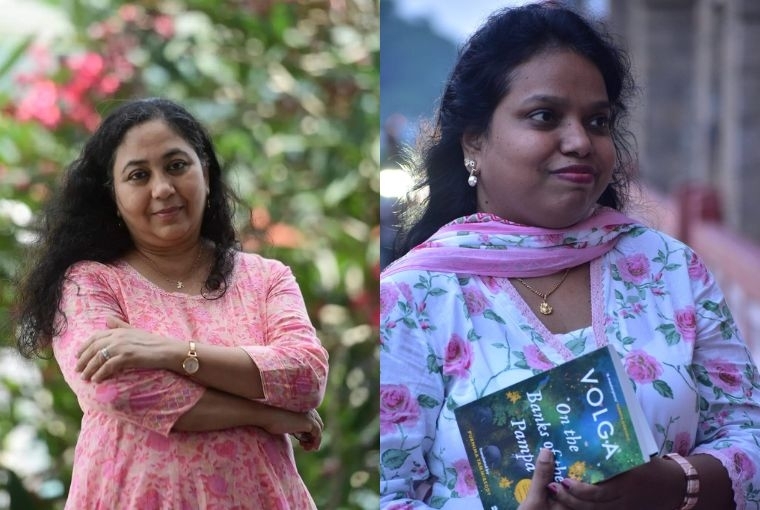
L: J. Devika R: Purnima Tammireddy
J. Devika
‘Translation calls for a kind of 'deep reading' that is quite different from either reading for pleasure or for information. That kind of reading rests upon the analytical and historical readings of the text, but is also different from them. My interest in translation has been always a critical one; I choose texts which I believe mark important milestones in Malayalam, politically and culturally, from a feminist point of view [and in the Indian context, the nexus of the powers of caste and gender is so intense that words like 'intersectional' just don't capture it well enough]. So an analytical and historical reading of the text always precedes the final one for translation. In the last reading, I give in to all the aesthetic aspects, the pleasure in the play of meaning, also especially the way the book sounds, because that is the hardest to reproduce in translation.’
Explore our conversation with J. Devika here.
Purnima Tammireddy
‘Translating On the Banks of the Pampa came with its own set of challenges. It’s a retelling of an epic, and that brings with it the weight of centuries. The task was to make it speak to readers of today and tomorrow, without losing the cadence and worldview of a time far removed from ours. With such texts, you’re always walking a fine line—between rootedness and reach, between preserving the distant echo and letting it resound in a new language.’
Purnima gives us more insights here.
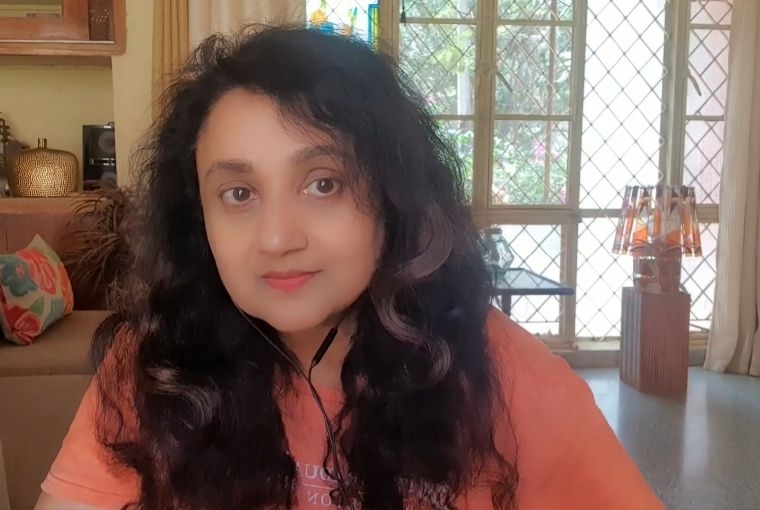
Anita Gopalan
Anita Gopalan
‘I am largely a feel-and-do translator. I don't begin with a theory. I listen to the voice of the sentence and the situation. I don't think, “This is a foreign word, so it must be domesticated for the reader." If a culturally specific word needs to remain, I let it remain. That was my approach with words such as dangaria or kartals. I usually retained them and let the context do the work. Readers understand much more than we often give them credit for. My instinct is to trust the reader, trust the context, and avoid interrupting the flow of the narrative with explanations.’
Stay tuned for our interview with Anita Gopalan, out soon.
Words Platform Desk
Date 13.8.2026