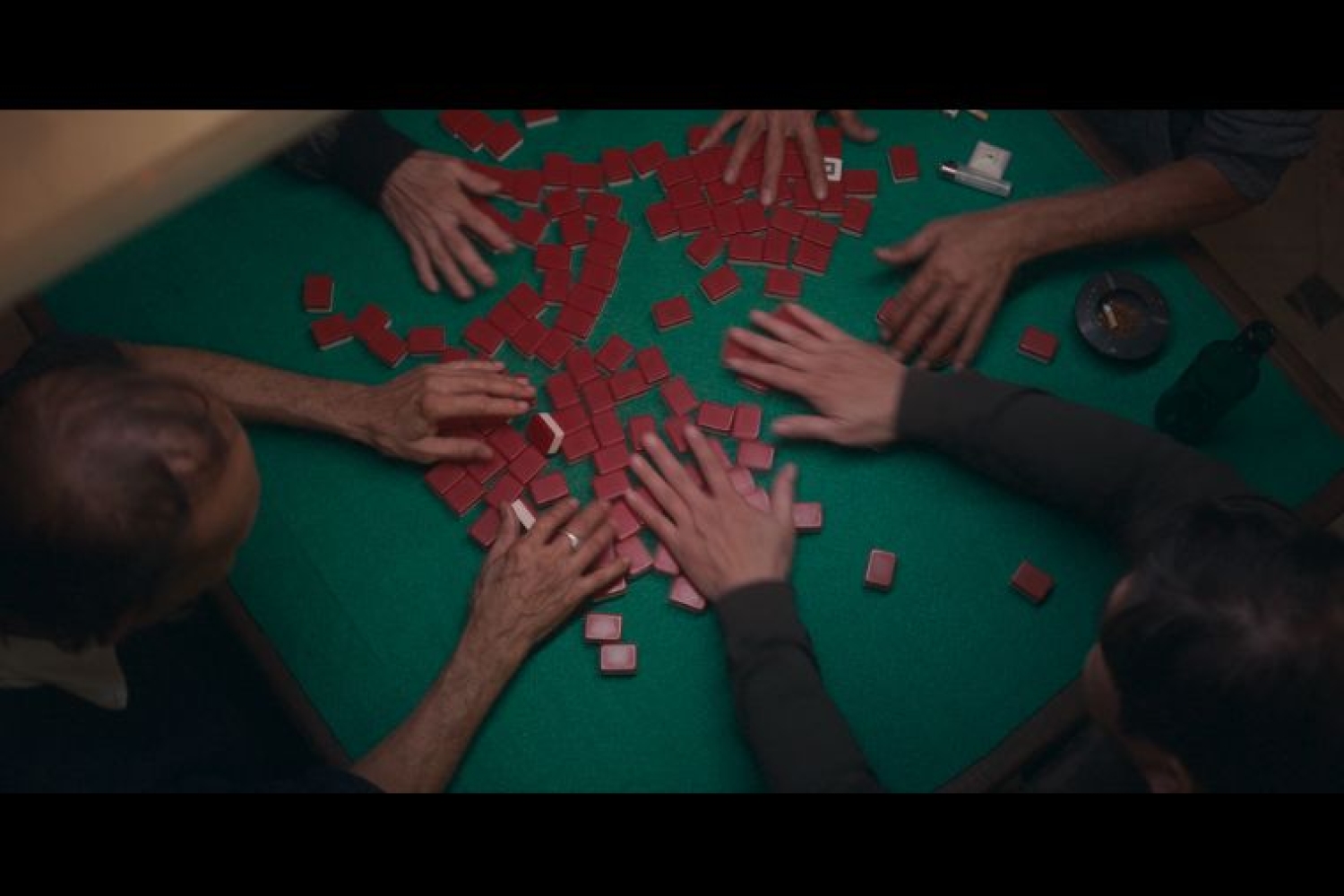
A chance encounter with Hillary Chu, who plays the female protagonist in From Nowhere, on an ad film shoot eventually led filmmaker Shomik Basuray to the Hakka Chinese community in Kolkata. Through Hillary, he met her cousin Henry, a young Chinese man deeply involved in the community’s cultural life. Over multiple trips to the city, Basuray spent days walking through Chinese neighbourhoods, visiting old temples, social clubs, homes, tanneries and restaurants, and meeting individuals from the community. These encounters offered him an understanding of the conflicts facing the community: the impetus to leave, alongside the desire to desperately cling on. With From Nowhere, India’s first Hakka language short film, Shomik explores this dilemma and the universal feeling of being made to feel ‘othered’.
The Push & Pull of Leaving One’s Hometown
This dilemma, this constant push-pull of wanting to get out of Kolkata and head to the west, and desperately wanting to cling on, wishing that things somehow magically worked out here, is the reality of almost everyone I met in the community in Kolkata. There has been a huge exodus from Kolkata for economic reasons, my own family has followed that path. The city as we all know, has gone through some phase of economic decay.
With the Chinese, in addition to those reasons, there is that additional layer, the feeling that 'while we stayed here and tried to integrate for generations, we never truly belonged here', in a sense that they are being ‘pushed out’ from here…they are not leaving on their own terms.
You must remember that the first mass exodus happened right after the 1962 war, when the state treated the Chinese very harshly, locking them up in internment camps. Let me put it this way, the character of Henry in the film, he probably knows that he has to leave, it is the wise and practical thing to do, but he wished he didn't have to. He wished things worked out for him here.
Food and the Hakka Chinese Community
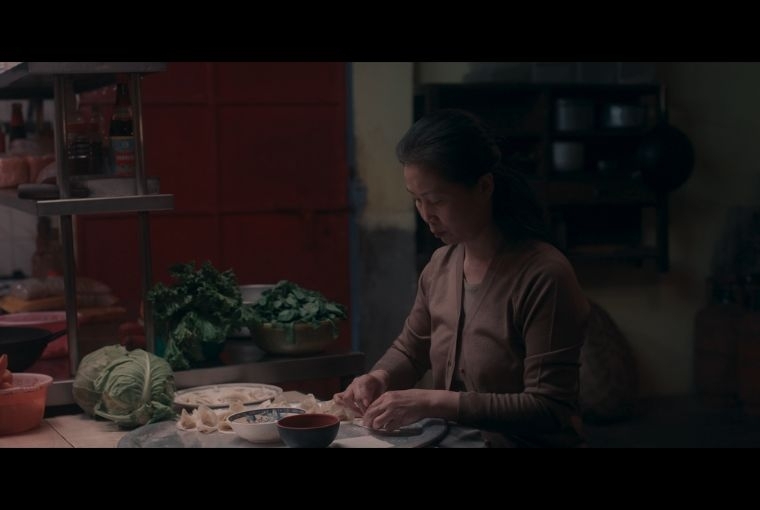
Food is also one the ways I bonded with Henry and the rest of the cast. Kenneth, the lead actor of the film, is a Chef and runs a traditional Hakka restaurant along with his father in Kolkata. Whenever I am in Kolkata, at least a couple of meals have to happen at one of the old school authentic Chinatown joints. Without realising it, food is probably the only way most Indians have interacted or experienced Indo Chinese culture - chili chicken, hakka noodles, hot and sour soup. While the Chinese community is on the verge of erasure, their food has become ubiquitous and will long outlive the community in India.
Another fascinating nugget; pork lard was a cooking medium for the Hakka community. Food cooked in lard is extremely hearty and filling. You can connect this to the communities nomadic history and their hard working nature. There is only one restaurant in Kolkata which still cooked food cooked in lard back in 2021 when I first started researching on this subject. Family run restaurants and leather tanneries, these have traditionally been the businesses that the Hakka community has engaged in. Thus, I decided to set the main sequence of the film in a restaurant, and have food as an important element in the film. It just added many more layers to the story telling.
Kolkata as the Landscape
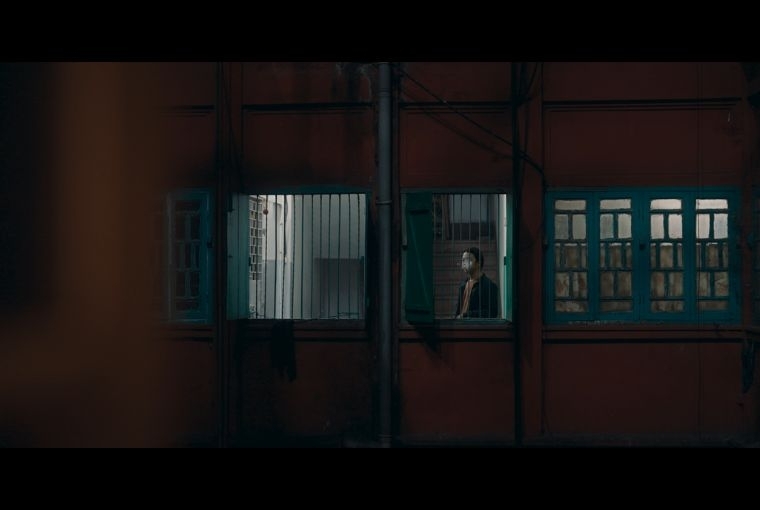
I didn't grow up in Kolkata, but I have over the years developed a fondness, an affinity for it. Now, we have seen Kolkata being represented in a certain way in movies, shows etc. What was very exciting for me was, here I was showing a part of the city, which has not only not been shown on screen, it exists in plain sight, but is largely unknown to many residents of Kolkata itself. Above all, these spaces are disappearing, being shuttered, torn down, large characterless residential high rise complexes popping up in their place. This specific film could not have been shot elsewhere, this story could not have been set anywhere else.
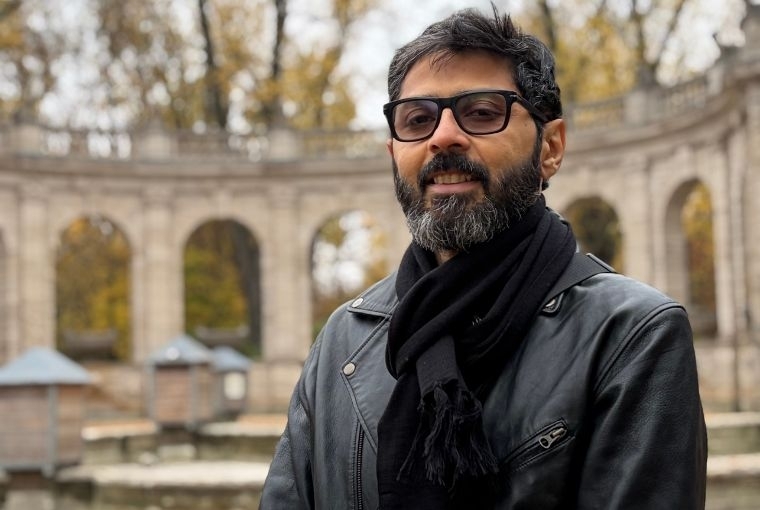
Filmmaker, Shomik Basuray
A Complex Final Scene
We shot this film in January 2024, around the time when the Ayodhya Ram Temple was inaugurated and there was a sense of ‘victory’ amongst a certain section. There were scenes similar to what you see in the film that I witnessed on the streets, celebrations, groups of riders zooming past with flags and speakers. The DOP on the project, Kaushik, had long been advising me to incorporate some elements in the script, something subtle that provokes some thought in our character and our audience. I thought that perhaps something which fleetingly captures the socio political milieu of the time would add to the storytelling. This idea came up literally a couple of days before the shoot.
There is a sense of discomfort in anyone not from the majority religious groups, when they see this kind of brazen muscle flexing, when they hear and read everyday of what is happening in our country For a particularly microscopic community, especially one like the Chinese who have a history of being treated harshly by the state, there is anyway a sense of fear. On the other hand, it serves a sharp foil to the next scene, where we see Henry's character having a somewhat humorous exchange with a friend, in Bengali, as the friend pulls Henry’s leg and ribs him over his breakup, the way close male friends often do, trying to make light of a serious situation. While Henry feels different, he also has a bond or connection with people here.
Words Neeraja Srinivasan
Date 27.11.2026