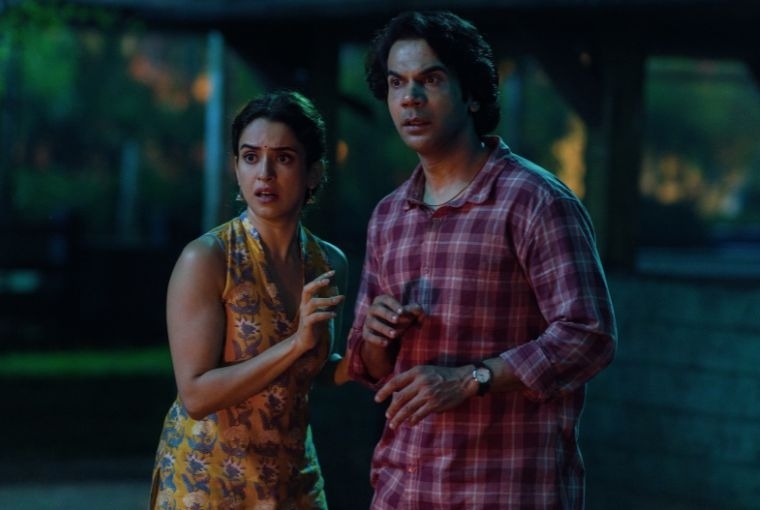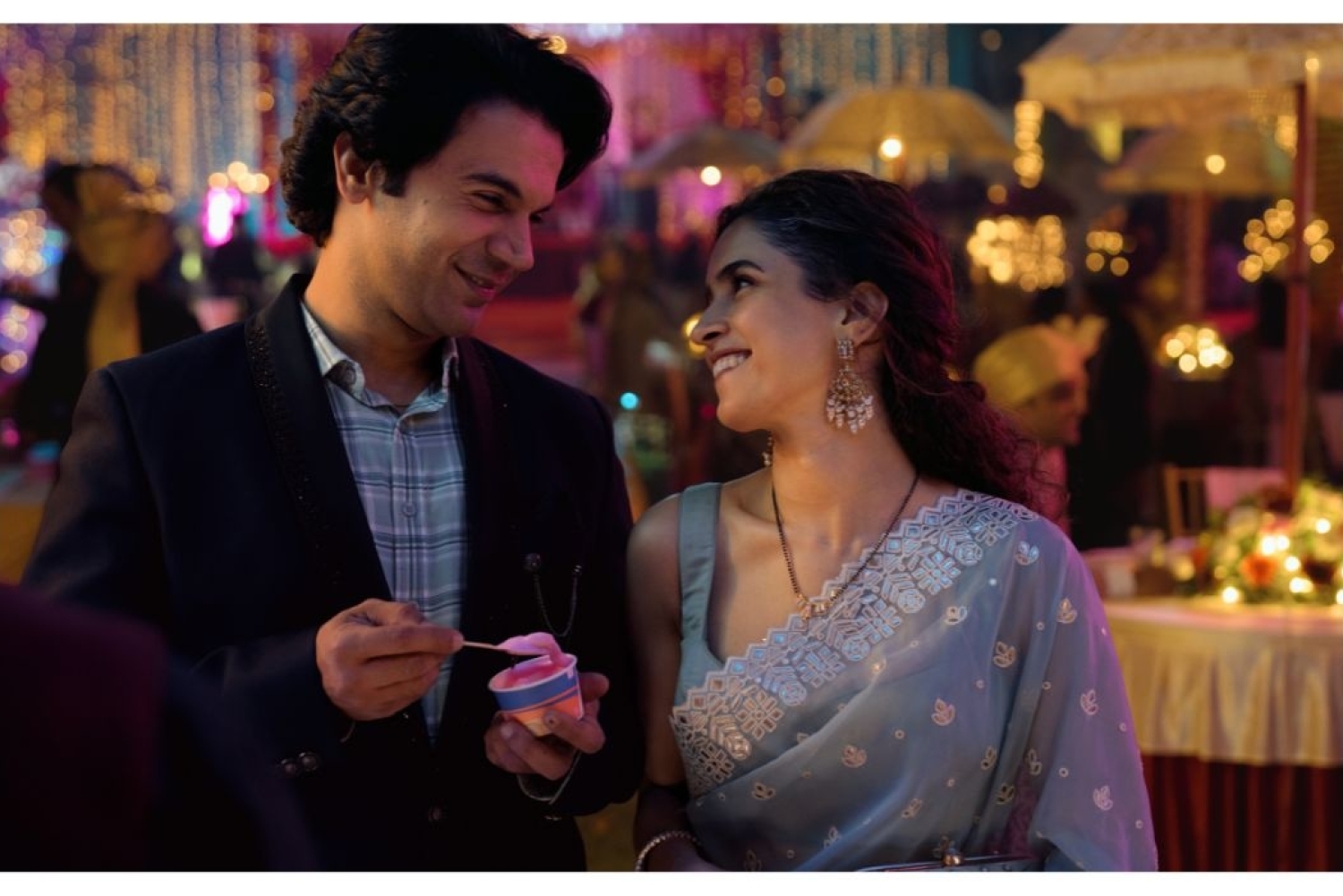
Good cinema has a significant impact on people; it completely draws you in. It can move and transport you. When you become deeply invested in the characters, it’s fascinating how you start to think and speak like them. You find yourself wanting to be them. This is exemplified by filmmaker and advertising creative Vivek Das Chaudhury, who wanted to be an astronaut after watching Armageddon. ‘That sort of thing kept happening after every film, I’d want to become whatever the main character was,’ he tells us. ‘At some point, I realised it wasn’t about wanting to be those people I was fascinated by how films could make you feel so much. My introduction to international cinema came a little later, once I started to understand more about how films are made, especially how important the screenplay is. That changed everything for me. I stopped just watching films and started seeing them.’
To hone his voice as a filmmaker, Vivek shipped himself off to the New York Film Academy where he gained valuable insights and practical skills that helped shape his unique voice in cinema. Vivek has been making advertising films for more than a decade and has worked with major industry names. Now, after years of dedication and hard work, Vivek is poised to share his debut feature narrative with the world. Titled Toaster, this project is backed by the talented duo Rajkummar Rao and Patrelekha, adding a significant edge to the film. Toaster will be out this month on Netflix.
Starting Point
I was working on another project with Rajkummar Rao that hit a pause. Around then, he was starting his production house with Toaster as the launchpad. We got talking, the timing lined up, and then I read the script and it just hit me. It was sharp, fresh, and too good to pass up. So I shamelessly pitched for it… and luckily, they didn’t change their minds.
Lessons from Advertising
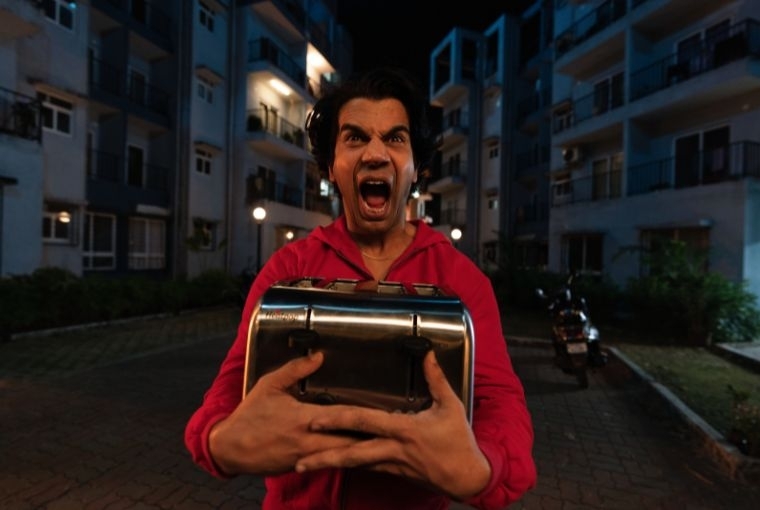
Advertising taught me how to say more with less. You have very little time to grab people’s attention, so every shot and line has to matter. It also made me think visually and work within tight deadlines and budgets which is pretty much what filmmaking is too. For my debut, it helped me stay clear about the story, cut out anything extra, and keep things sharp and engaging. It also taught me to be quick on my feet and trust my gut while shooting.
Directorial Process
To be honest, we all believed in the script, and that set the tone from the start. We did a bunch of look tests to get the characters right not just how they looked, but how they felt, how they’d carry themselves. Rajkummar [Rao] and Sanya [Malhotra] were excellent to work with and were super collaborative. We’d talk a lot about the characters, throw around ideas, and question stuff. It wasn’t about giving them instructions it was more like figuring things out together. Very instinctive, very open. That kind of vibe just makes the whole process better.
Challenges
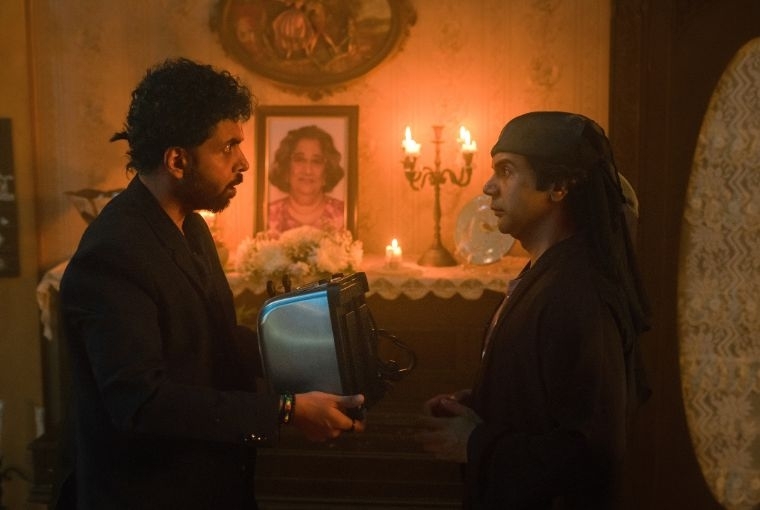
Since it’s a dark comedy, the biggest challenge was nailing the tone. It’s a thin line push too far and it becomes silly, hold back too much and it gets too serious. So finding that balance was something I was constantly watching.
Words Hansika Lohani
Date 30.3.2026